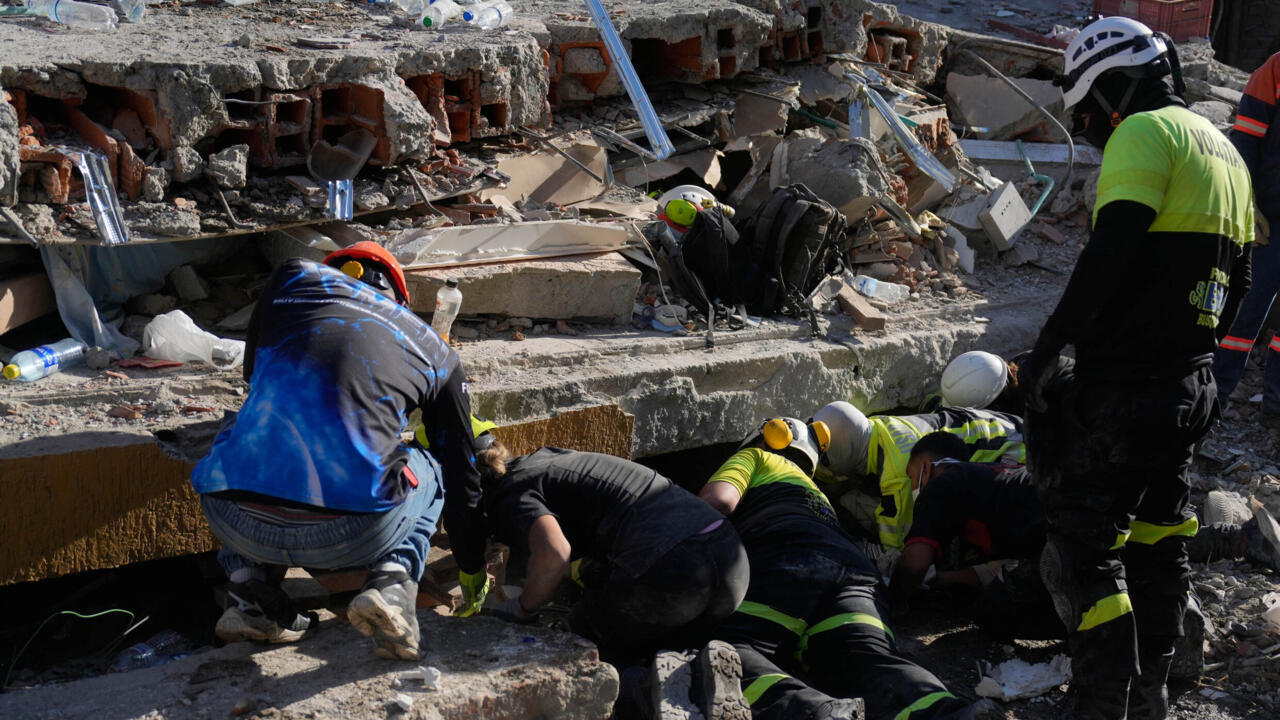
Firefighters battle record heatwave as wildfires spread across Europe
A new wave of historic heat linked to human-caused climate change has ignited multiple blazes across the continent, testing emergency services in regions with limited cooling infrastructure.
Firefighters across Europe responded to multiple wildfires on August 14, battling flames as a new wave of record-breaking heat baked a significant swath of the continent. The emergency operations highlight the immediate strain on public safety services as temperatures reach levels not previously experienced in the region.
According to France 24 International, the historic temperatures driving these fires are linked to human-caused climate change. This attribution underscores a shift in the climatic baseline, moving beyond seasonal variability into a period of sustained extreme weather events that challenge existing emergency response frameworks.
The extreme conditions are disproportionately affecting countries that are historically better suited for long cold seasons. These nations, which typically do not face such intense thermal loads, are finding themselves ill-equipped to manage the current crisis, revealing a structural vulnerability in continental emergency planning.
A key factor in this vulnerability is the limited availability of air conditioning infrastructure. In regions where cooling systems are not standard in residential or commercial buildings, the combination of high temperatures and active wildfires creates compounding risks for public health and property safety.
The scale of the impact remains broad, with reports indicating that large swaths of the continent have been scorched. While specific regional boundaries were not detailed in the initial reports, the widespread nature of the fires suggests a coordinated challenge for cross-border emergency cooperation and resource allocation.
As the heatwave persists, the intersection of infrastructure limitations and climate-driven weather extremes presents a complex governance challenge. The events of August 14 serve as a stark indicator of the operational adjustments required for European nations unaccustomed to such thermal intensity.