FIFA introduces new ticket category amid fan backlash over dynamic pricing and soaring costs
A new 'front category' of tickets has been released as the 2026 World Cup approaches, raising questions about the efficacy of revenue maximisation strategies in a market accustomed to variable pricing.
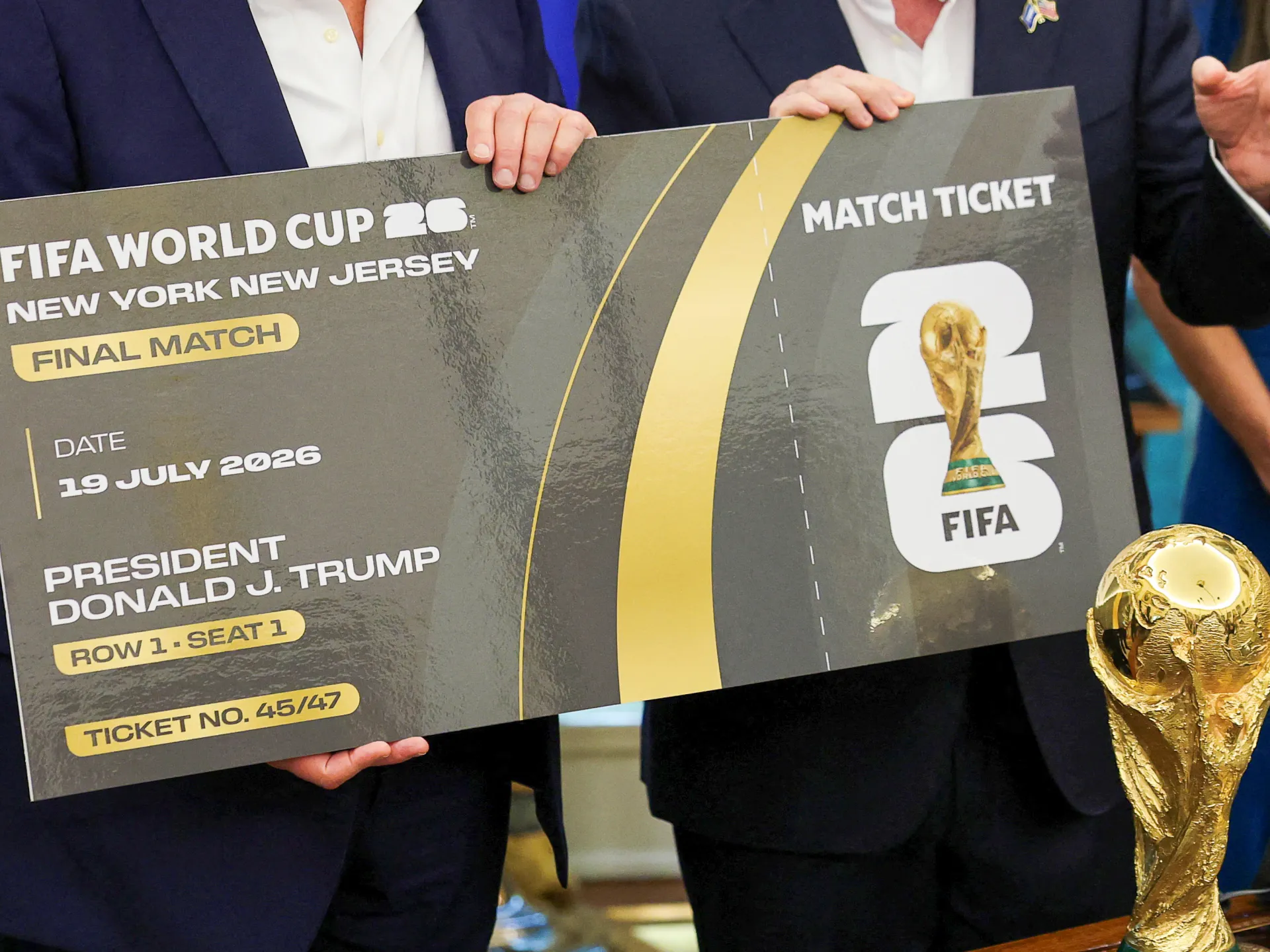
Fans have expressed significant frustration regarding the cost of entry for the 2026 FIFA World Cup, with the most expensive ticket for the final match reaching nearly $11,000. This surge in pricing coincides with the release of a new 'front category' of tickets during the tournament's 50-day countdown, a move that contradicts earlier assurances that the April 1 sales phase would be the final window.
Critics are accusing the global governing body of utilising dynamic and variable pricing models primarily to maximise revenue, potentially pricing ordinary supporters out of the event. While FIFA President Gianni Infantino defends the high costs as a necessary measure to fund the organisation's 211 member nations, experts warn that such strategies may result in unsold seats and alienate the fanbase.
The controversy centres on the timing and nature of the latest ticket drop. Although FIFA previously stated that the April 1 phase was the fourth and final scheduled window, a spokesperson confirmed that additional tickets will continue to be released on an ongoing basis until the final on 19 July. This unplanned fifth phase has raised questions about the organisation's sales strategy and whether the initial promise of affordable access was merely a precursor to higher costs.
When tickets first went on sale in December, prices ranged from $140 for category 3 to $8,680 for the final. Upon reopening in April, prices were raised to as much as $10,990 for the final, a figure described as nearly seven times the maximum price initially laid out when the North American bid was approved. This represents a stark increase compared to previous tournaments, where the 2022 Qatar final ticket cost approximately $1,604 and the 2018 Russia final ticket cost around $1,100.
Simon Chadwick, a professor of sport at the Emlyon Business School, suggests that the allocation of 78 of the 104 matches to the United States has allowed FIFA to tap into a mature market accustomed to dynamic pricing strategies. He notes that while the logic of real-time pricing suggests markets should self-correct with price reductions, the reality may differ if fans resent the initial premium strategy and withdraw from the market entirely.
Despite FIFA's assertion that ticket sales remain strong with a high degree of interest, reports indicate that sales for specific matches are lagging. For instance, ticket sales for the USA versus Paraguay match in Inglewood, California, are reportedly behind expectations despite high initial interest figures, suggesting that the current pricing model may not be achieving the desired sell-out rates across the board.