Federal rescheduling of state-licensed medical marijuana to Schedule III marks policy shift under Trump administration
The Department of Justice aligns federal regulation with programmes in 40 states, designating the substance as less dangerous while bypassing standard review processes
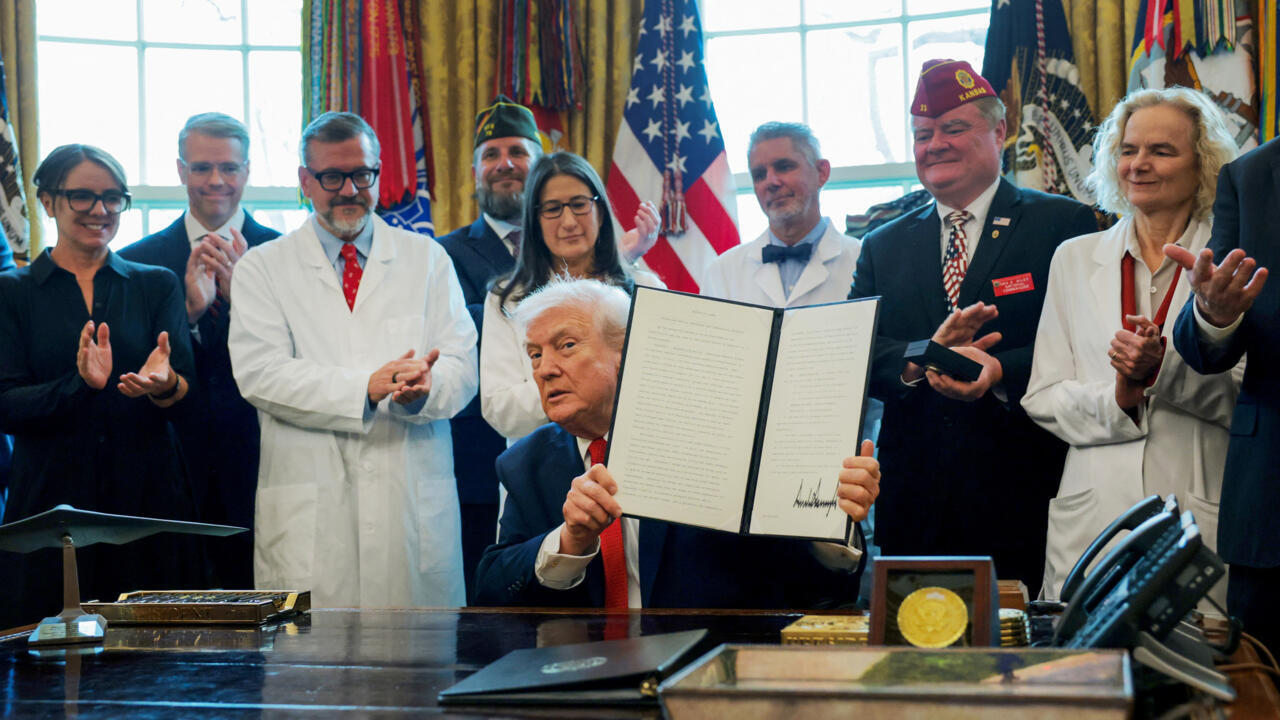
The Trump administration has officially reclassified state-licensed medical marijuana from Schedule I to Schedule III, a move signed by Acting Attorney General Todd Blanche on Thursday. This directive designates the substance as a less-dangerous drug, representing a significant shift in US cannabis policy that aligns federal regulation with the 40 states currently operating state-licensed medical programmes. While the action does not legalise cannabis federally, it fundamentally alters the regulatory framework governing licensed operators and researchers.
Under the new classification, licensed medical marijuana operators are granted the ability to deduct business expenses on their federal taxes for the first time. Blanche described this change as a windfall for the industry, removing a longstanding financial barrier that previously prevented these entities from claiming such deductions. The decision also explicitly protects researchers from federal penalties when obtaining state-licensed marijuana or derived products for study, addressing long-standing obstacles to clinical research.
To facilitate this transition, the Department of Justice has established an expedited registration system for state-licensed producers and distributors to register with the US Drug Enforcement Administration. This mechanism allows the federal government to engage with existing state frameworks more directly. The order relies on a specific provision of federal law that permits the Attorney General to determine classifications for drugs regulated under international treaties, thereby bypassing the standard review process that had been in place since the Biden administration initiated a similar review in 2022.
The administration announced a hearing to consider reclassifying marijuana more broadly, potentially including recreational use, is scheduled to begin in late June. This follows a directive from President Trump in December to work as quickly as possible to reclassify the substance. Blanche stated that the Department of Justice was delivering on the President's promise to expand access to medical treatment options, noting that the rescheduling allows for research on the safety and efficacy of the substance to provide patients with better care.
Critics of the industry, including Kevin Sabet of Smart Approaches to Marijuana, have expressed concern that the move sends a confusing message about the harms of marijuana to the public. Sabet argued that there are many ways to increase knowledge without granting tax breaks to industry operators. Conversely, Michael Bronstein, president of the American Trade Association for Cannabis and Hemp, hailed the action as the most significant federal advancement in cannabis policy in over 50 years, recognising cannabis as medicine.
Marijuana or marijuana-derived products that are not distributed through a state medical marijuana programme will continue to be classified in Schedule I. The current order applies strictly to state-licensed medical marijuana, leaving the legal status of recreational use and unlicensed possession unchanged under federal law. This creates a complex regulatory environment where federal scheduling differs from state laws in many jurisdictions, even as the vast majority of states maintain comprehensive licensing frameworks.