Exiled Tibetans re-elect Penpa Tsering as Central Tibetan Administration leader
Penpa Tsering wins second term with 61 per cent of the vote as the diaspora prepares for a political future independent of the Dalai Lama
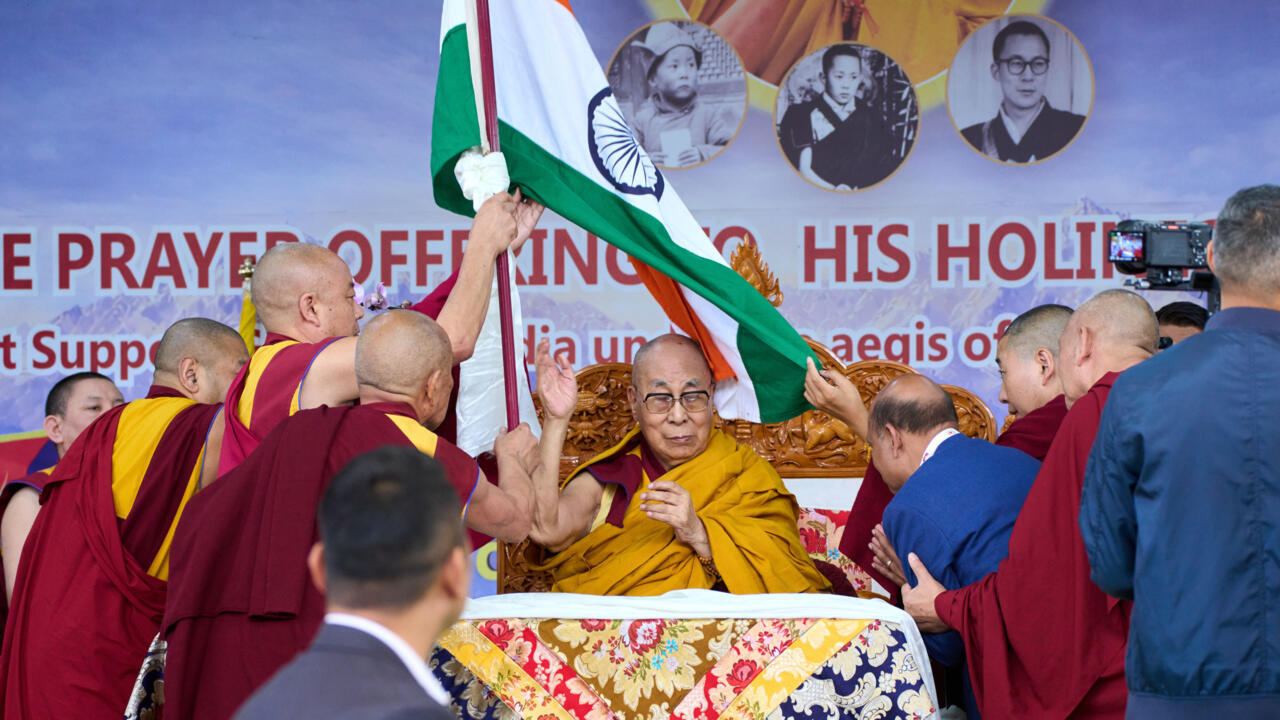
Tibetans living outside Chinese control have voted to re-elect Penpa Tsering as the sikyong, or leader, of the Central Tibetan Administration (CTA). The election, conducted across 27 countries excluding China, saw Mr Tsering secure 61 per cent of the vote in the preliminary round, a threshold sufficient to win outright without a runoff. This result marks the beginning of his second term as head of the exile government-in-exile.
The vote is viewed as particularly significant as the community prepares for a future without the Dalai Lama, who transferred political authority to the administration in 2011. While the 90-year-old spiritual leader remains based in India, the CTA continues to function as the central institution for an estimated 150,000 Tibetans worldwide. The administration remains headquartered in Dharamsala, northern India, where it operates under the Dalai Lama's Middle Way policy seeking greater autonomy rather than full independence.
A total of 91,000 registered voters participated in the ballot, casting their votes in locations ranging from the high Himalayas to megacities in South Asia and refugee communities in Australia, Europe, and North America. The electorate included Buddhist monks and political exiles, reflecting the diverse nature of the diaspora. Polling took place in Bylakuppe, India's southern state of Karnataka, among other key locations, with voters expressing a desire for leadership that reflects the community's current direction.
Youth representation emerged as a key focus during the campaign, with first-time voters advocating for a shift in governance style. Tenzin Tsering, a 19-year-old voter waiting to cast his ballot, emphasised the need for voices that reflect where the community is going rather than where it has been. His comments highlight the internal drive within the exile population to modernise the administration's approach to governance.
The CTA parliament, which sits twice a year, consists of 45 members representing three traditional provinces, five religious traditions, and the diaspora. Despite the Dalai Lama's assertion that only his India-based office has the right to determine his eventual successor, Beijing condemns the CTA as a separatist political group and insists on its approval of any succession. The administration maintains that it represents the Tibetan people's will while navigating these geopolitical constraints.
Penpa Tsering, who previously assumed office on February 1, leads the government in line with the Dalai Lama's long-standing policy. The election outcome reinforces the continuity of the CTA's institutional framework as it manages the complex transition of power within the exile community. The results underscore the community's commitment to maintaining a structured political entity despite the absence of its founding spiritual leader.