Deadly bus bombing on Colombia-Venezuela border attributed to dissident FARC faction
Colombian authorities have identified a breakaway rebel group as the perpetrator in the attack that struck a major transport artery connecting the two nations.
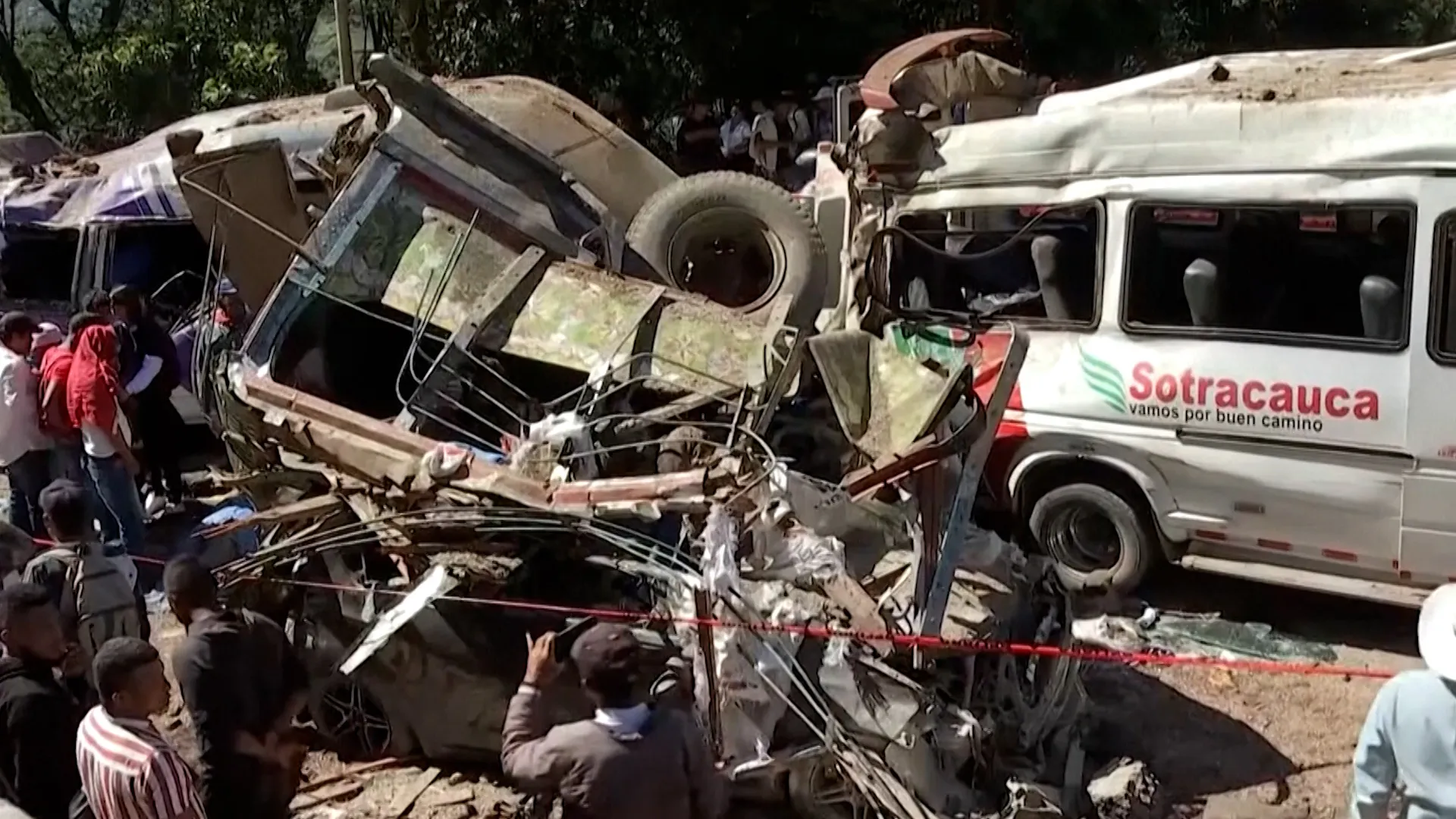
A bomb-laden bus exploded on the Pan-American Highway on 26 April 2026, resulting in the deaths of at least 14 people. The incident occurred on the critical transport route linking Colombia and Venezuela, causing significant disruption to regional mobility and raising immediate concerns about security along the border.
Colombian authorities have attributed the attack to a dissident faction of the former FARC rebel group. While the Revolutionary Armed Forces of Colombia demobilised years ago, these breakaway elements continue to operate in the region, presenting an ongoing challenge to state stability and public safety.
The attribution of the attack to the dissident FARC group relies on claims made by Colombian officials. Independent verification of the perpetrator's identity has not yet been provided in the available reports, leaving the specific mechanics of the explosion and the precise motives of the group unconfirmed.
The casualty figure is currently stated as a minimum of 14, indicating that the final death toll remains unknown and may rise. Initial reports in such incidents often undercount the total number of fatalities, suggesting the human cost of the attack could be higher than the immediate figures indicate.
The Pan-American Highway serves as a major international transport route essential for commerce and travel between Colombia and Venezuela. An attack of this nature on such a vital infrastructure node underscores the volatility in the region and the persistent threat posed by armed groups to key logistical arteries.
As investigations continue, the focus remains on understanding the operational capacity of the dissident faction responsible. The event highlights the complex security landscape facing the region, where historical conflicts with former guerrilla groups continue to manifest in violent attacks against civilian transport.