Iranian Foreign Minister to return to Pakistan for peace talks as US envoys cancel visit
Foreign Minister Abbas Araghchi is set to resume talks on Sunday following a visit to Oman, whereas US envoys Steve Witkoff and Jared Kushner have called off their trip after Iran refused direct engagement with the White House.
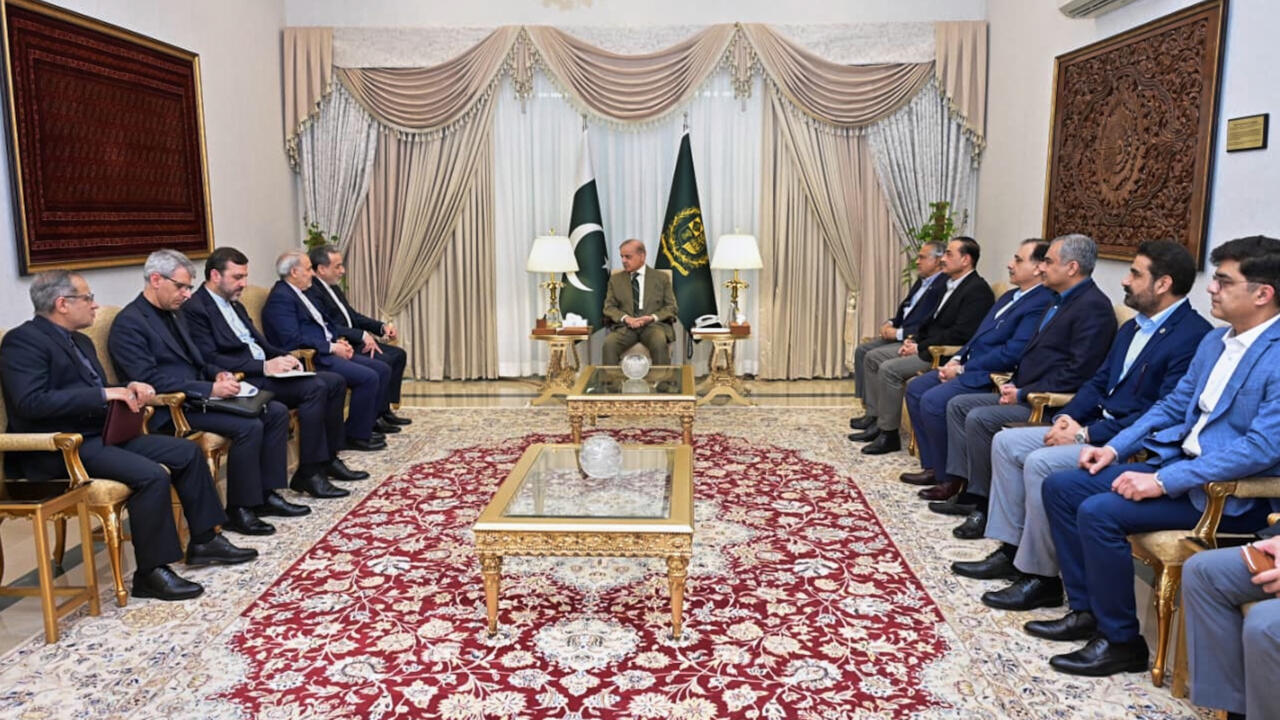
Iranian Foreign Minister Abbas Araghchi is expected to return to Islamabad on Sunday for further peace negotiations, a move that underscores the ongoing friction between Tehran and Washington. State media reports indicate that the minister, having recently departed Islamabad after outlining Iran's red lines for talks with the United States, will head back to Pakistan following a diplomatic stop in Oman. This sequence of events highlights a diplomatic stalemate where the Iranian leadership is willing to re-engage, yet the terms of engagement remain a point of contention.
The planned arrival of US envoys Steve Witkoff and Jared Kushner in Pakistan has been cancelled, a decision that coincides with Iran's refusal to participate in direct negotiations with the United States. According to reports from the White House administration, President Donald Trump instructed the envoys not to travel to Pakistan, noting that Tehran had never confirmed it would attend the discussions. This cancellation marks a significant shift in the diplomatic landscape, as the US administration appears to be retreating from face-to-face dialogue while Iranian officials prepare to return to the negotiating table.
Complicating the diplomatic timeline, Iranian state media, specifically the IRNA news agency, reported that a portion of Foreign Minister Araghchi's delegation has already returned to Tehran. These officials are currently consulting to obtain necessary instructions regarding the cessation of the war before rejoining the minister in Pakistan on Sunday night. The precise nature of these consultations remains unspecified, though the stated objective is to secure guidance on issues related to ending the conflict. This internal consultation suggests that while the minister is returning, the Iranian government is still finalizing its strategic position for the upcoming talks.
Meanwhile, President Donald Trump addressed a separate incident involving a shooting at the White House Correspondents' Association dinner, asserting that the event would not deter him from his stance on the Iran war. While describing the shooter as a lone wolf with an uncertain motive, Trump remarked that "you never know" if the attack was linked to the ongoing conflict. This comment reflects the administration's continued focus on the Middle East theatre, even as diplomatic channels appear to be closing down in Pakistan.
The broader context of these stalled negotiations includes persistent tensions over the Strait of Hormuz, where Iran has restricted passage following strikes by the US and Israel in February. In response, the United States has increased its naval presence in the strait to block Iranian oil exports, which account for roughly one-fifth of global supply. Despite these escalations, a ceasefire extension originally due to expire on 22 April remains in effect, although fighting continues in Lebanon where Israeli strikes recently killed six people.
The divergence in approach between the two nations has created an environment where diplomatic efforts have largely stalled. Previous rounds of talks saw Foreign Minister Araghchi travel to Oman and Russia, but this latest round has been marked by the unilateral cancellation of the US envoy visit. As Araghchi prepares to return to Islamabad, the absence of American counterparts suggests that any progress on ending the war will depend heavily on Tehran's ability to secure a favourable outcome without direct US participation.