Eysses survivor Jean Lafaurie warns of hard right resurgence in Europe
Ahead of France's National Day of Remembrance, Dachau survivor Jean Lafaurie asserts he remains the sole witness to the Eysses mutiny, urging students to defend democracy against the rise of the hard right.
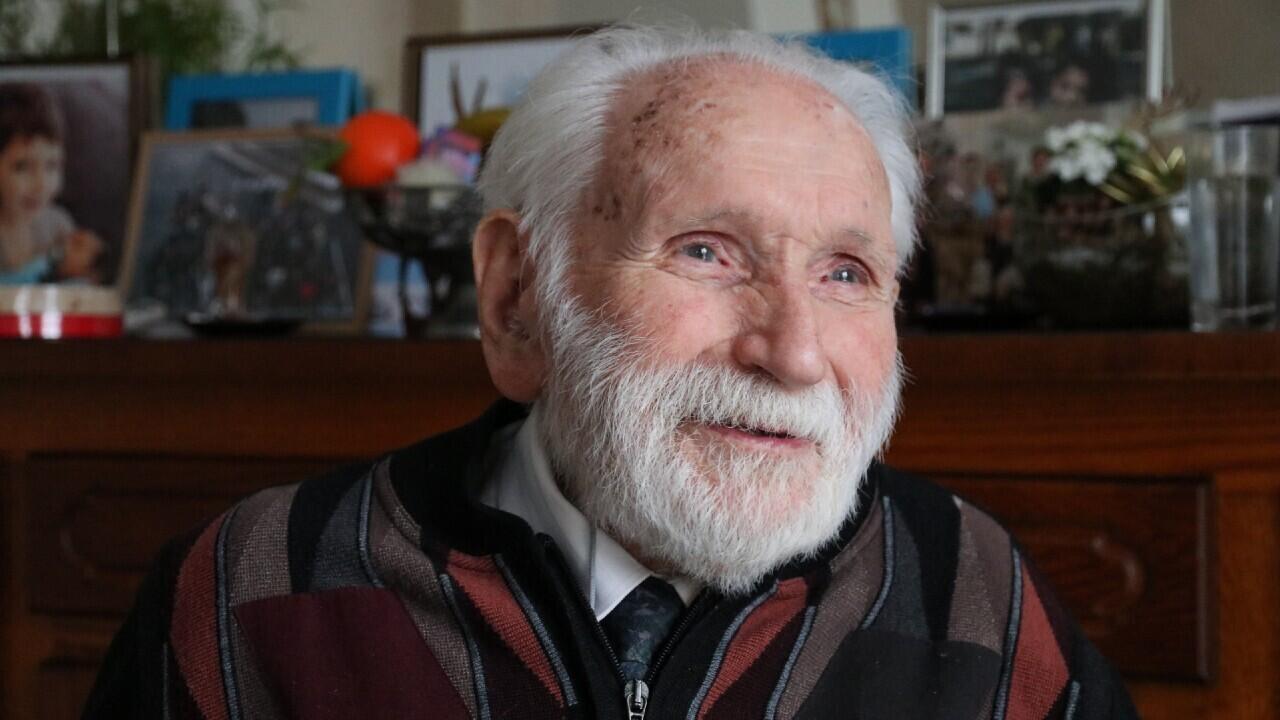
Jean Lafaurie, a 102-year-old former French Resistance fighter and survivor of the Dachau concentration camp, is actively visiting schools across France to share his testimony. Ahead of the National Day of Remembrance for Victims and Heroes of the Deportation, the centenarian recounted his arrest in 1942, imprisonment in the Eysses detention centre, and subsequent deportation to Dachau in 1944.
During his engagement with students, Lafaurie emphasised the critical role of solidarity among prisoners in their survival, noting that he remains the only person capable of telling the specific story of the Eysses mutiny and the subsequent deportation. He described the "Eysses Republic" incident of February 1944, where prisoners took a Vichy inspector-general hostage, resulting in the death of a comrade and the execution of 12 mutineers.
Lafaurie's account details his time at Dachau, where he was forced to work in a BMW factory for 11 months until liberation. He described a specific incident where a fellow prisoner threatened to kick him if he attempted suicide due to an infected arm injury, an act of camaraderie that saved his life. This experience reinforced his belief that when prisoners have nothing left to give, they can still offer a word of comfort or a piece of bread to the weakest among them.
Despite his age, Lafaurie remains deeply concerned by current geopolitical trends. He stated that he fears the resurgence of the hard right in Europe and the rearming of nations, warning that freedom and democracy can be suppressed overnight. He told students that what the Resistance did helped free France, but the lessons of that era must be applied to the present political climate.
The survivor noted that he initially remained silent about his experiences for decades after the war. His mother initially disbelieved his account of the camps when he first tried to write it down seven months after the war, leading him to stop speaking about it until his retirement in 1983. Since then, he has travelled across France to ensure the story of Eysses and the deportation is not forgotten.
"I'm still a member of the resistance. I resist everything!" Lafaurie said with a playful smile, reiterating his commitment to speaking to young people about solidarity. He insists that history teachers bring him in because they see what is happening in Europe, and he urges the younger generation to understand that defending democracy is an ongoing necessity.