European Parliament delegation warns energy dependence enables authoritarian coercion
Critics say current diplomatic efforts lack clear objectives and exclude civil society, while fossil fuel imports continue to underpin conflict economies in Ukraine and Russia
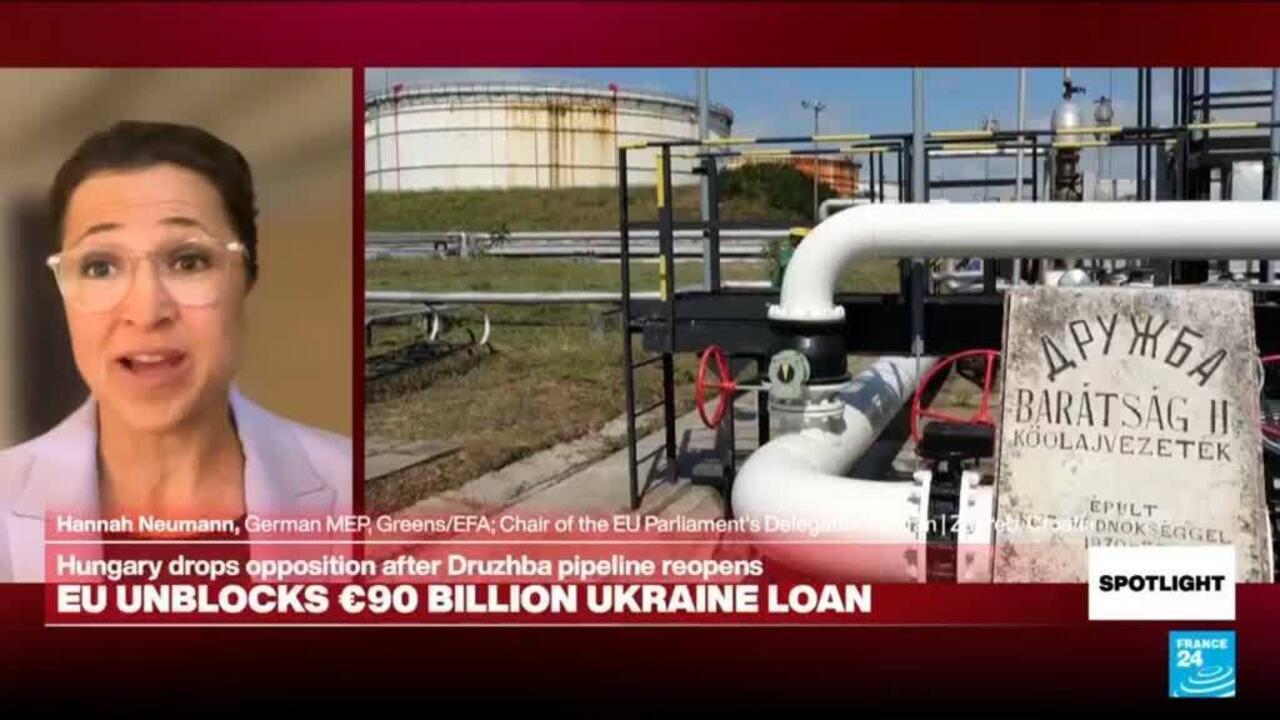
A German Member of the European Parliament has warned that the European Union must accelerate its transition to renewable energy to prevent authoritarian regimes from exploiting fossil fuel dependence as a weapon. Hannah Neumann, who serves as Chair of the EU Parliament's Delegation for Iran, argues that Europe's structural reliance on oil and gas leaves it vulnerable to geopolitical coercion by nations driving ongoing conflicts.
According to Neumann, the current diplomatic landscape suffers from a distinct lack of clarity and coherence regarding key strategic issues. She highlighted that negotiations concerning nuclear policy, maritime security in the Strait of Hormuz, and broader regime questions do not possess a defined focus. This absence of clear objectives, she contends, undermines the EU's ability to navigate an increasingly fragmented global order effectively.
The analysis points to a critical blind spot in international discourse: the systematic exclusion of Iranian civil society. Neumann noted that this exclusion is exacerbated by digital repression, limiting the scope of dialogue to state actors alone. She suggests that true political autonomy for the European Union can only emerge through a decisive shift away from fossil fuels, which currently allow war-driving regimes to blackmail the bloc with their energy supplies.
The argument draws a direct line between energy imports and the funding of war economies. Neumann observed that while the EU has reached a solution with Hungary to provide a 90 billion euro lifeline to Ukraine, the oil flowing through the Druzhba pipeline continues to support the Russian war economy. This reality illustrates how interconnected the conflicts in the Middle East and Ukraine have become, creating an absurd situation where European aid inadvertently sustains the very regimes threatening regional stability.
Neumann emphasised that the volatility of negotiations is not merely a matter of timing but stems from a failure to address the root causes of instability. By maintaining a structural dependence on imported hydrocarbons, Europe remains exposed to the strategic leverage of authoritarian states. She posits that without a rapid transition to renewables, the EU will remain unable to secure its own political independence or effectively counter the geopolitical blackmail posed by these regimes.
The comments were made during a discussion on growing geopolitical instability, where Neumann placed the EU's vulnerability within the broader context of its energy security. Her assessment suggests that until the bloc decouples from fossil fuel imports, it will continue to lack the leverage necessary to end the conflicts driving instability across the continent and beyond.