European leaders pledge intensified Middle East diplomacy as Washington criticises EU stance
French President Macron urges swift stability to reassure global markets while US officials accuse the bloc of insufficient counter-Iran support
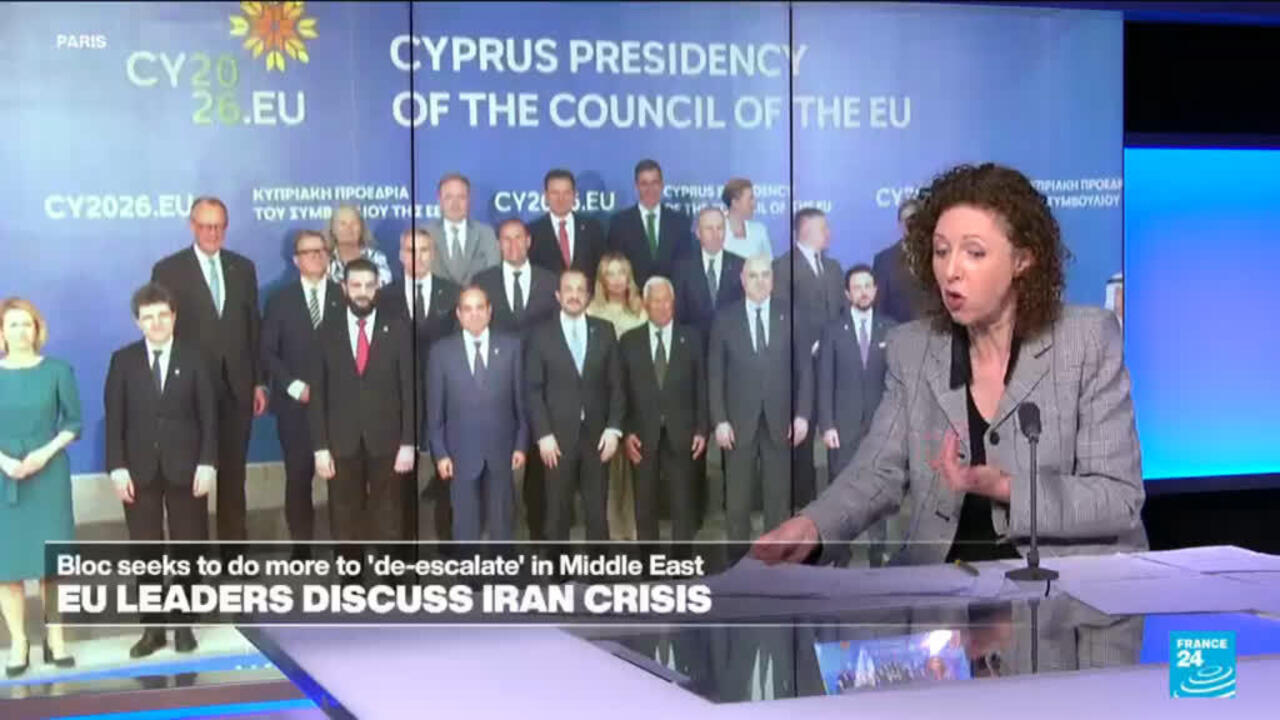
European leaders gathered in Cyprus have formally pledged to intensify their diplomatic efforts aimed at resolving conflicts across the Middle East. The summit represents a concerted push by the European Union to address the deteriorating security situation in the region, a move that coincides with heightened concerns regarding the spillover effects of regional instability on the global economy.
This diplomatic gathering occurs against a backdrop of significant transatlantic friction. The United States has publicly criticised the European Union for what it perceives as insufficient support in countering Iran, accusing the bloc of remaining largely on the sidelines in its response to Tehran's regional activities. While the EU has historically focused its leadership responses on the security implications of the crisis, Washington's assessment suggests a divergence in strategic approach between the two allies.
French President Emmanuel Macron, upon his arrival at the summit, emphasised that restoring stability in the region is in everyone's interest. He argued that a rapid return to order is essential for reassuring global economies, linking the immediate diplomatic priorities directly to broader economic reassurance. This call to action underscores the French leadership's view that the current geopolitical climate poses a tangible risk to international financial stability.
The agenda for the summit extends beyond internal European coordination, with planned talks scheduled with regional partners from Egypt, Lebanon and Syria. These upcoming engagements are intended to facilitate direct dialogue with key actors in the region, aiming to translate the pledged increased efforts into concrete diplomatic outcomes.
EU foreign policy chief Kaja Kallas is also expected to make remarks regarding the crisis during the proceedings. Her contributions will likely focus on the strategic framework the Union is adopting to navigate the complex security landscape, balancing the need for immediate action with the long-term challenges of regional engagement.
As the leaders prepare to engage with regional counterparts, the tension between the US criticism of the EU's current posture and the bloc's own diplomatic initiatives remains a defining feature of the summit. The outcome of these discussions will be closely watched to determine whether the EU can bridge the gap between its stated commitments and the expectations of its transatlantic partner.