European Commission threatens to suspend €2 million grant for Venice Biennale over Russia's participation
The European Commission has issued a formal notice to the Venice Biennale organisers, stating it will terminate or suspend its €2 million grant if Russia's national pavilion remains open. The move follows Moscow's return to the event after a voluntary withdrawal in 2022, reigniting tensions between the EU and Italian institutions regarding the intersection of culture and geopolitics.
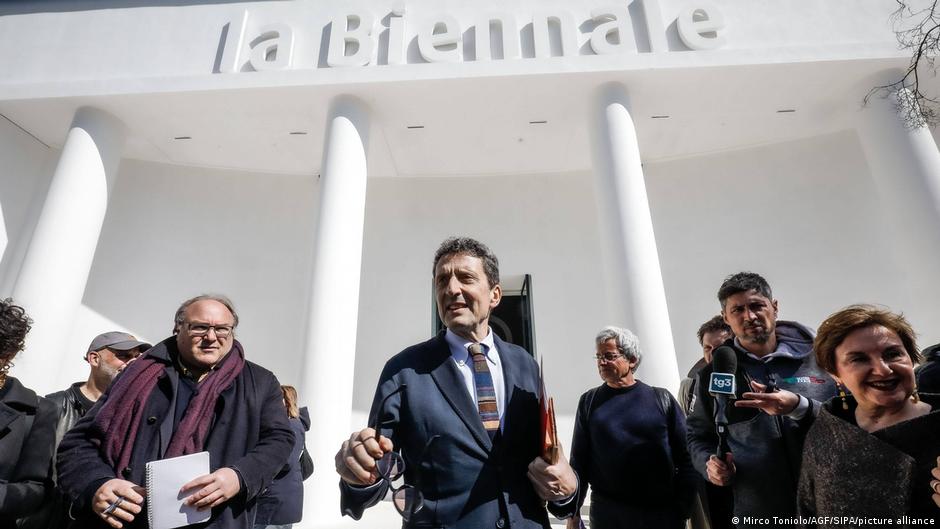
The European Commission has formally notified the organisers of the 2026 Venice Biennale that it intends to terminate or suspend its €2 million grant for the next three years. This sanction is a direct response to the Biennale allowing Russia to reopen its national pavilion following its voluntary withdrawal in 2022. The decision has triggered significant political friction between the EU and Italian institutions, including the national government.
In a letter issued on 23 April, the Commission gave the Biennale organisers 30 days to respond regarding the funding threat. While Italian Prime Minister Giorgia Meloni has stated her government opposes Moscow's presence at the event, Deputy Prime Minister Matteo Salvini has publicly condemned the EU's move. Salvini dismissed the funding threat as "vulgar blackmail" against one of the most important and free cultural bodies in the world.
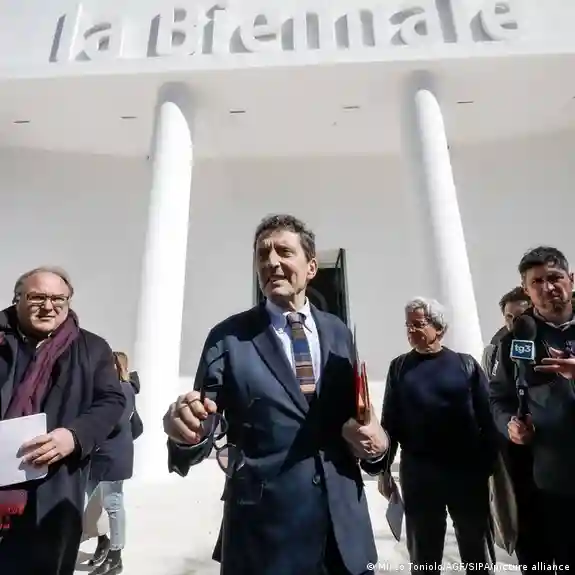
The controversy unfolds alongside other disputes at the Biennale, highlighting the complex relationship between state policy and artistic expression. South African artist Gabrielle Goliath was blocked from representing her country after refusing edits to her performance piece regarding the killing of Palestinian poet Hiba Abu Nada. Her government did not nominate a replacement, leaving the pavilion empty, while a video installation version of her project will be shown at a separate venue in Venice.
Similarly, Australian artists Khaled Sabsabi and curator Michael Dagostino were initially dropped due to political pressure but were reinstated following an independent review and backlash from the arts community. The situation contrasts with the stance of the Art Not Genocide Alliance, where over 100 participants have signed letters calling for the exclusion of Israel, with some expanding the call to include all regimes currently committing war crimes, including Russia and the US.
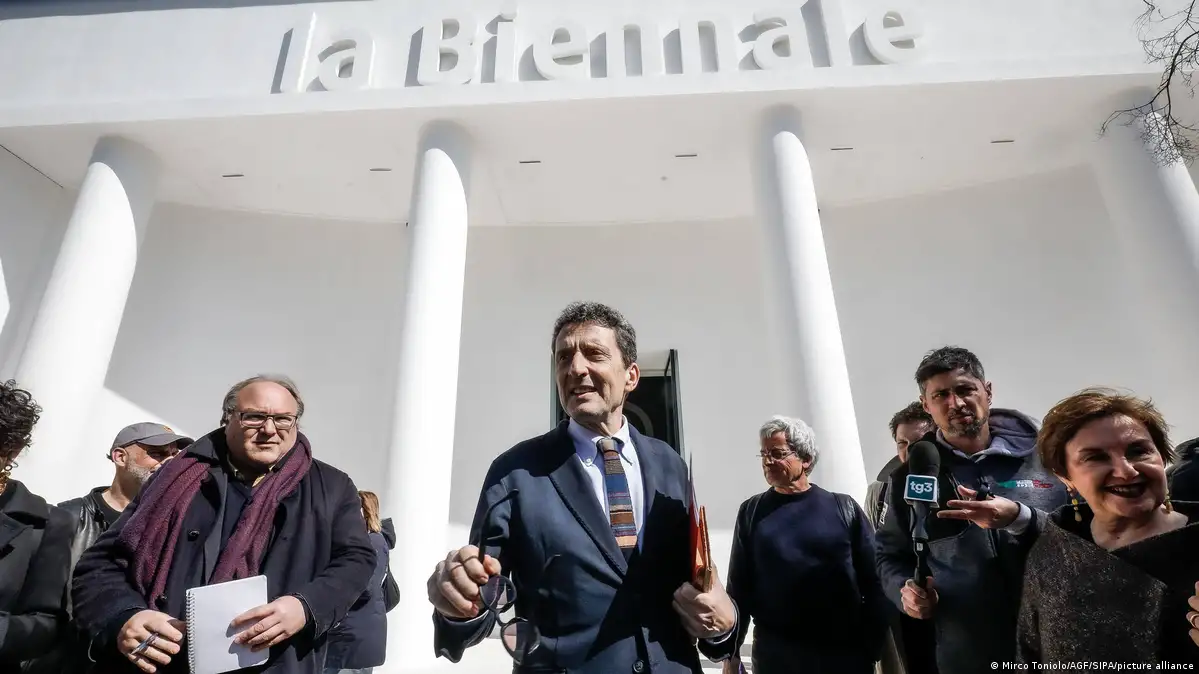
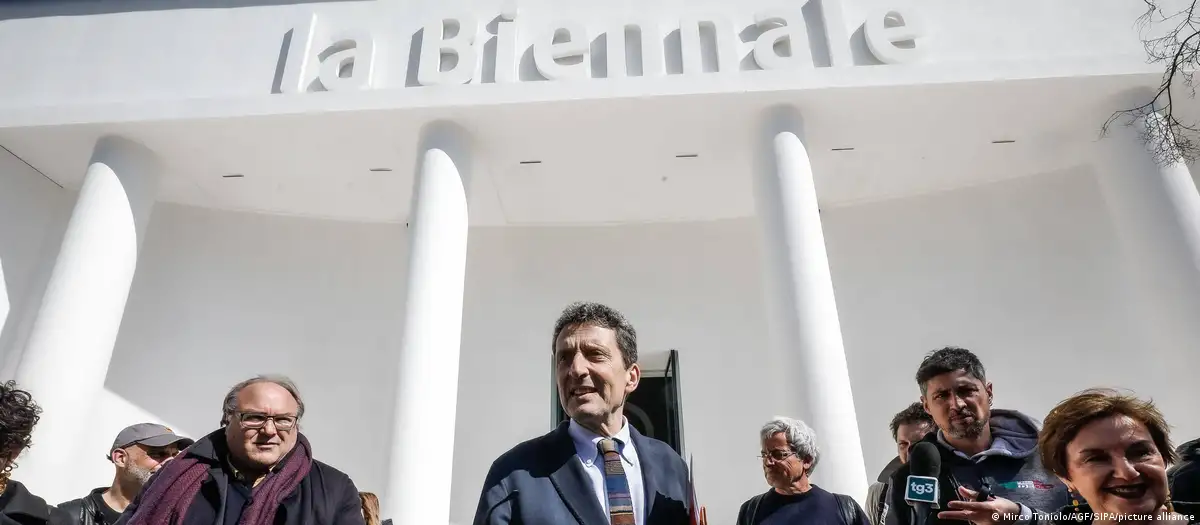
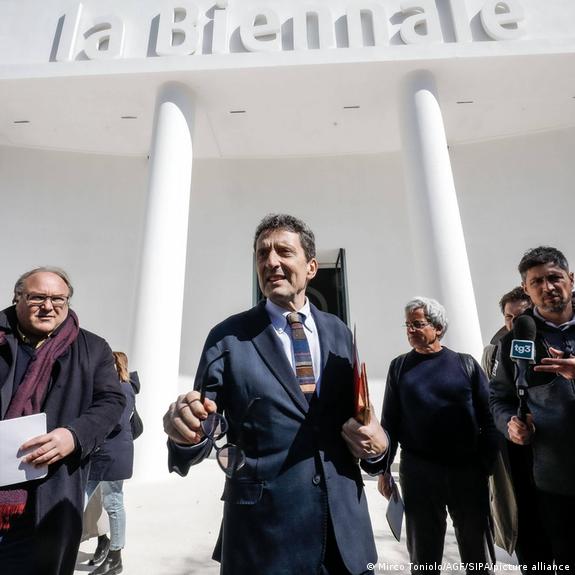
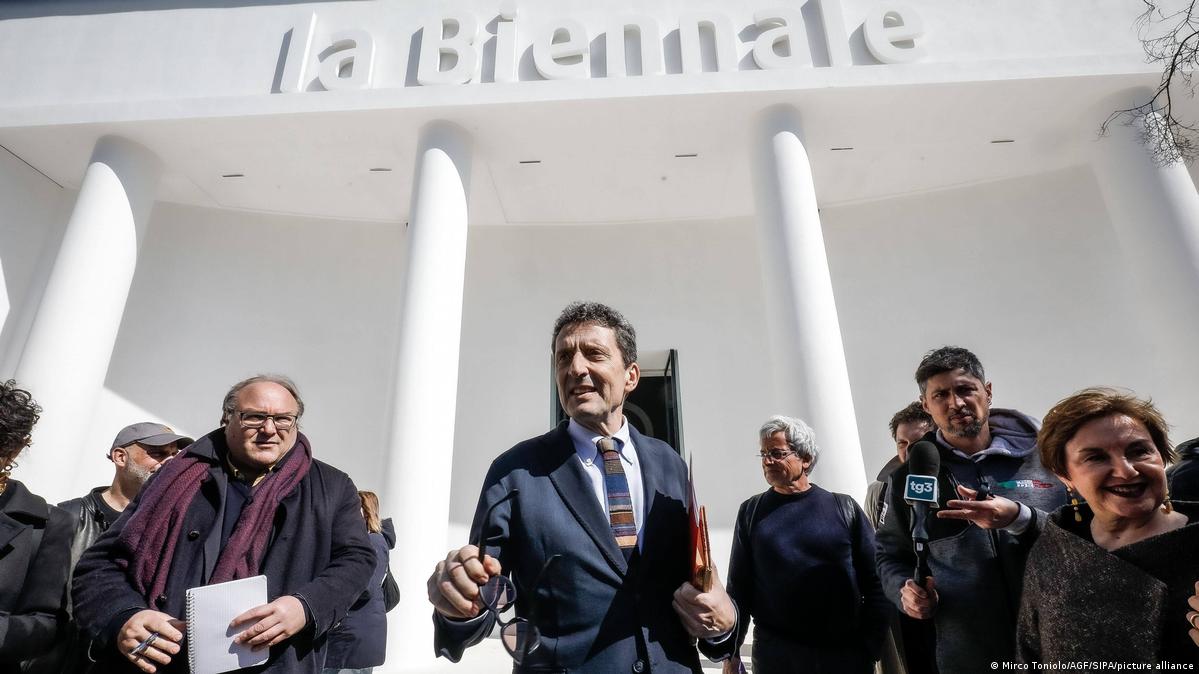
Venice's mayor, Luigi Brugnaro, previously noted that Russia's pavilion would be shut down if it engaged in propaganda, yet the Biennale Foundation president insists on keeping the event open to all nations. Meanwhile, Pussy Riot's Nadezhda Tolokonnikova has condemned the Russian show as an attempt to polish Russia's image, suggesting the Italian government remove the representatives of Putin's Russia from the pavilion.
The dispute underscores the ongoing debate over whether international art institutions should remain neutral forums or act as platforms for political accountability. As the Biennale prepares to open with 100 national participations, the threat of funding suspension looms large over the organisers' ability to maintain their commitment to global dialogue.