Europe proposes multinational naval mission to secure Strait of Hormuz
Military planners from 30 nations met in London to discuss the framework, with the European Three expected to shoulder the primary military burden while experts warn that naval deployments alone cannot guarantee security without a political settlement.
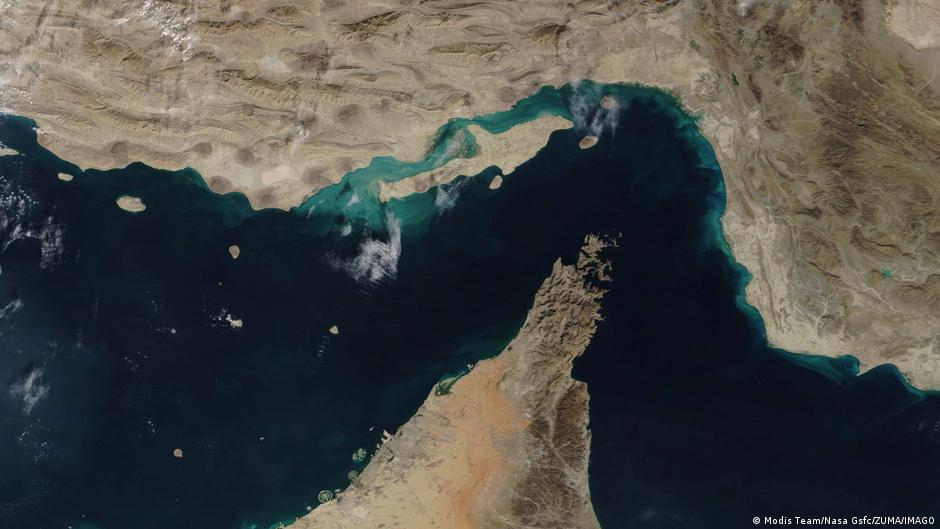
Military planners from 30 countries have convened in London to discuss the operational framework for a proposed multinational naval mission designed to safeguard commercial shipping through the Strait of Hormuz. The initiative, spearheaded by France and the United Kingdom, is structured as a strictly defensive operation intended to protect vessels rather than target land-based positions or strike Iranian military infrastructure.
The mission is explicitly contingent upon a negotiated end to hostilities between the United States and Iran. Under this framework, forces would be deployed only after such an agreement is reached, focusing on responding to attacks against commercial traffic rather than engaging offensively. Jürgen Ehle, a retired German rear admiral and former senior military adviser to the EU, noted that the operation would involve defending ships targeted by missiles, drones, or fast attack craft, rather than striking targets on the ground.
The European Three, comprising Germany, France, and the United Kingdom, are expected to shoulder the majority of the military burden for this undertaking. France has already begun positioning significant assets in the region, including eight warships, the aircraft carrier *Charles de Gaulle*, and two amphibious assault ships currently stationed in the eastern Mediterranean and Red Sea. President Emmanuel Macron indicated that these forces could be partially redirected to support the mission once it commences.
Germany has indicated a willingness to contribute mine clearance vessels and maritime reconnaissance capabilities, though this support remains pending parliamentary approval. Chancellor Friedrich Merz has emphasised the necessity of a clear legal mandate before any deployment occurs. Meanwhile, the specific contribution from the United Kingdom remains unspecified, although Prime Minister Keir Starmer noted that more than a dozen countries have expressed an interest in contributing assets to the coalition.
Experts caution that naval deployments alone cannot guarantee security in the Gulf and emphasise the need for a broader diplomatic settlement to restore stability. Analysts suggest the operation would utilise frigates or destroyers equipped with air defence systems and mine-hunting drones to counter a layered threat environment ranging from loitering munitions to fast-moving anti-ship missiles. David B. Roberts, writing for the Royal United Services Institute, highlighted that only a sovereign political decision by Iran to stand down holds the prospect of halting attacks entirely.
The strategic goal of the proposal is to prevent a dangerous precedent where a single power uses force and geography to control a crucial maritime choke point. While Europe seeks to broaden the coalition beyond the continent to include nations such as India and South Korea, countries like India, Pakistan, and China are currently pursuing bilateral arrangements with Tehran. However, analysts note that current shipping volumes through these alternative routes remain marginal, underscoring the urgency of the European proposal.