EU unblocks €90bn Ukraine loan as pipeline repairs resolve Orban veto
The European Union has cleared a prolonged deadlock to approve substantial funding for Ukraine, a decision contingent on the restoration of oil flows to Hungary and Slovakia.
President Volodymyr Zelensky is set to meet with European Union leaders in Cyprus on Thursday, marking the culmination of efforts to finalise a €90 billion loan package for Ukraine. This approval ends a significant impasse that had stalled the disbursement of funds essential for Kyiv's continued operations against Russian aggression.
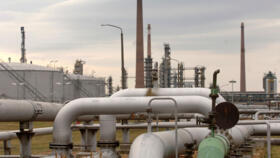
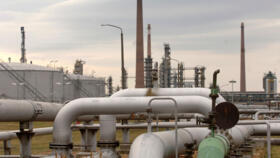
The financial hurdle was erected by Hungarian Premier Viktor Orban, who maintained his veto on the loan until Ukraine completed repairs on a pipeline damaged by a Russian strike. The restoration of oil flows to Hungary and Slovakia satisfied the condition set by Orban, thereby removing the primary obstacle to the bloc's approval.

Orban, who recently suffered a decisive electoral defeat to pro-EU candidate Peter Magyar, did not attend the upcoming informal talks in Cyprus. With his political standing diminished and the pipeline issue resolved, the Hungarian leader is expected to step down next month, leaving the EU to proceed with the funding without his opposition.
While the primary focus of the summit remains the release of the loan to support Ukraine in 2026 and 2027, the agenda extends to broader regional security concerns. Discussions will address the ongoing conflict in the Middle East, including the fallout from the war and its impact on energy prices, as well as the strategic importance of the Strait of Hormuz.
European officials have indicated a readiness to contribute to keeping the Strait of Hormuz open should conditions permit, though any assistance remains contingent on specific events. The summit also aims to secure a final agreement on the EU's 2028-2034 budget, a critical priority given the tension between member states regarding fiscal restraint and investment needs.
The prospect of a final budget deal faces a tight timeline, with officials fearing that a lack of consensus before France's presidential election next year could result in reduced contributions from Paris. The EU executive is seeking a budget worth approximately two trillion euros, though governments remain reluctant to increase their financial commitments further.