EU sanctions approved for West Bank settlers and Hamas leadership following Hungary policy shift
Foreign ministers agreed to sanction three settlers, four organisations, and Hamas leaders, marking a significant institutional pivot in the bloc's approach to regional conflict.
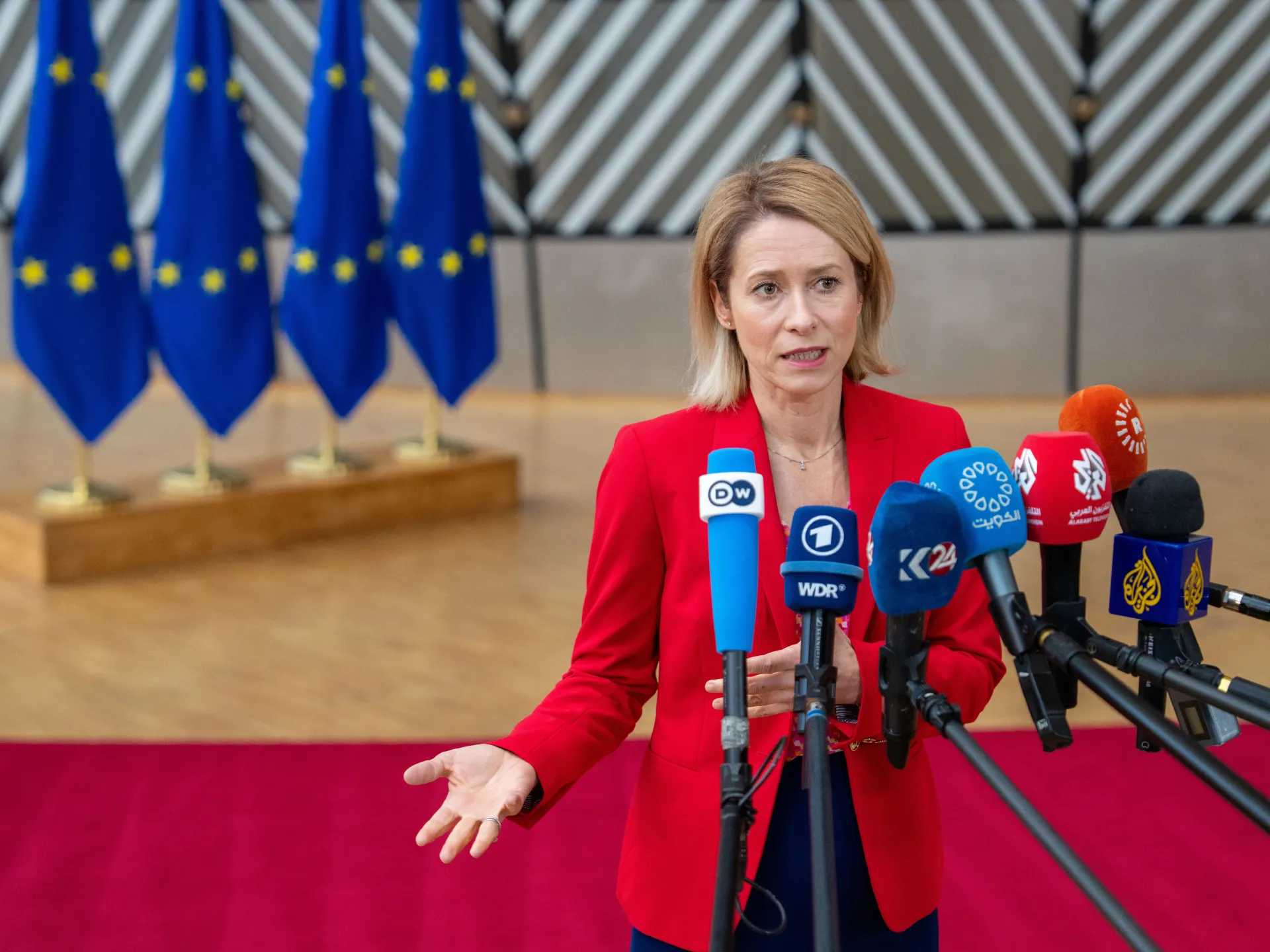
The European Union has formalised a consensus to impose sanctions on three specific Israeli settlers, four settler organisations, and the leadership of Hamas. The agreement was finalised at a meeting of foreign ministers in Brussels on Monday, 11 May 2026, representing a decisive shift in the bloc's policy framework regarding the ongoing conflict in the West Bank.
The primary catalyst for this institutional breakthrough was the removal of a veto that had stalled the measures for months. This blockage was lifted following the appointment of Peter Magyar as Prime Minister of Hungary on Saturday, 9 May 2026, replacing the previous administration led by Viktor Orban. The new government's decision to withdraw its opposition allowed the sanctions package to proceed without further obstruction from Budapest.
The sanctions specifically target individuals and entities accused of violence against Palestinians in the West Bank, alongside the leadership responsible for the October 7, 2023 attacks. EU foreign policy chief Kaja Kallas described the move as a transition from deadlock to delivery, emphasising that extremism and violence must carry consequences. French Foreign Minister Jean-Noel Barrot further clarified that the measures were directed at organisations guilty of supporting what he termed extremist and violent colonisation.
Reaction from Tel Aviv was immediate and sharp. Israel's Foreign Minister Gideon Saar condemned the measures as arbitrary and political, asserting the right of Jews to settle in the West Bank. National Security Minister Itamar Ben Gvir went further, denouncing the European Union as antisemitic and vowing that the settlement enterprise would not be deterred by such actions.
While consensus was achieved regarding the specific targets of settlers and Hamas leadership, the scope of the sanctions remains limited. No agreement has yet been reached on broader measures against Israel, such as curbing trade ties or banning products from settlements. However, Italy's Antonio Tajani indicated that the European Commission would propose a ban on settlement products pending sufficient backing from member states.
The decision underscores a growing divergence within the EU between its security objectives and previous diplomatic hesitations. By targeting the leadership of Hamas, whose armed wing was a major participant in the October 7 attacks, the bloc is reinforcing its stance that the violence must cease without delay, even as it navigates the complex political landscape of its own member states.