Violence in DR Congo's northeast complicates government peace talks with M23 fighters
A spate of assaults in the Democratic Republic of Congo challenges the administration's efforts to secure a truce with Rwanda-backed rebels, occurring against a backdrop of decades-long conflict over mineral-rich territories.
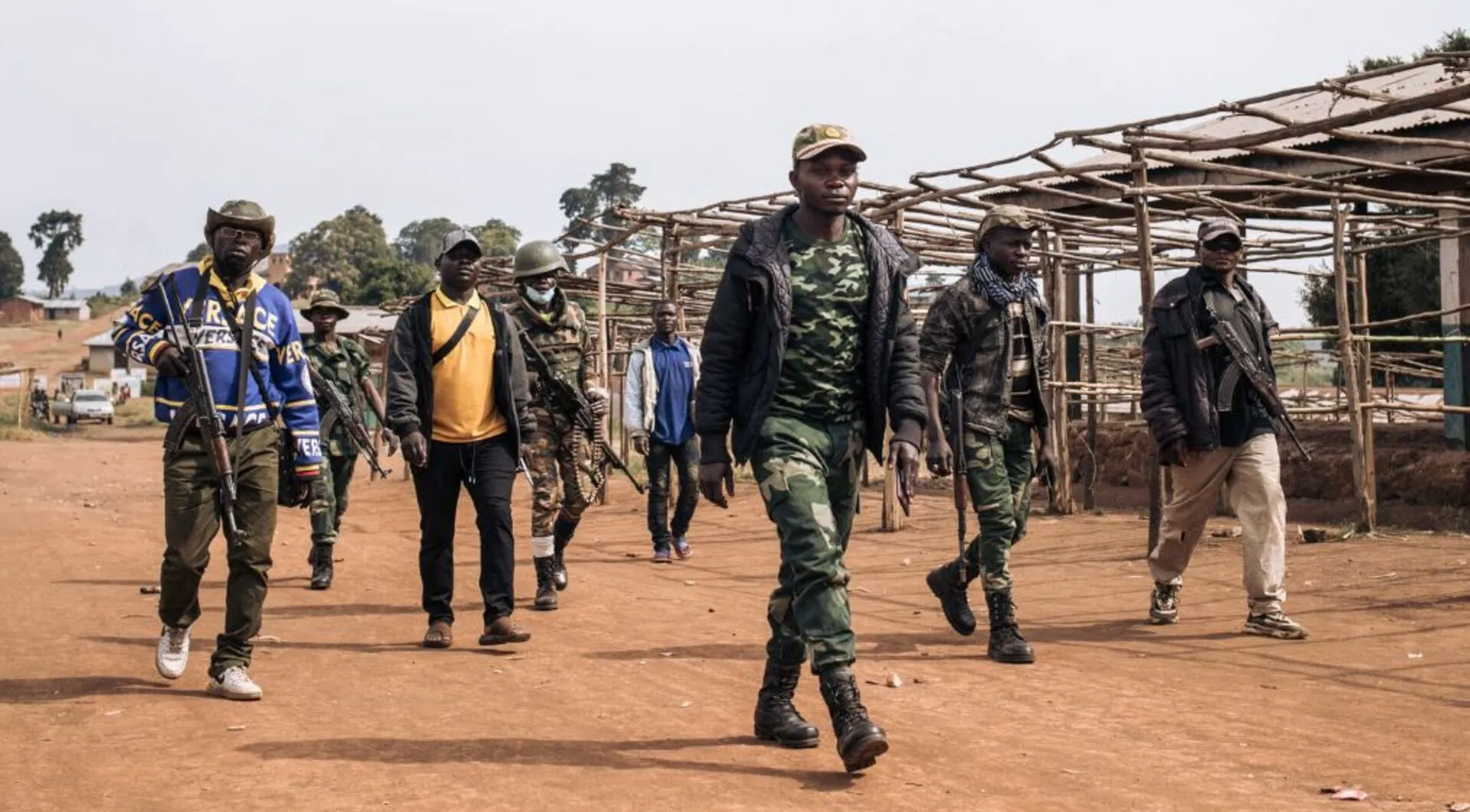
A series of recent attacks in the Democratic Republic of Congo's northeast region has cast a shadow over ongoing peace negotiations between President Felix Tshisekedi's government and the Rwanda-backed M23 fighters. The violence, carried out by lesser-known armed groups, emerges at a critical juncture where the administration is seeking to stabilise the restive eastern provinces.
The perpetrators of the latest assaults include the Cooperative for the Development of the Congo and the Convention for the Popular Revolution. The Cooperative for the Development of the Congo states that its offensive aims to protect the Lendu community, while the Convention for the Popular Revolution represents the rival Hema ethnic group. These actions follow a previous assault by the Convention for the Popular Revolution, highlighting a pattern of instability involving specific ethnic factions.
This escalation occurs within a conflict that has persisted for over 30 years, with various armed groups fighting for control of the mineral-rich eastern region. The prolonged struggle has resulted in one of the world's most severe humanitarian and displacement crises, creating a complex environment for diplomatic resolution.
The timing of these new assaults by the lesser-known groups presents a significant challenge for President Tshisekedi, whose government is currently engaged in talks with the M23 fighters. The introduction of violence from these additional actors complicates the government's strategic position and raises concerns regarding the viability of the current diplomatic framework.
Experts note that the specific objectives claimed by the armed groups, such as the protection of the Lendu community, remain assertions that require independent verification. Furthermore, while the source material suggests these attacks could undermine the negotiations, the definitive impact on the outcome of the talks with the M23 fighters remains to be seen.
The situation underscores the difficulty of establishing peace in a region where ethnic tensions and resource competition have fuelled decades of instability. As the government navigates these challenges, the ability to secure a lasting truce depends on managing not only the M23 conflict but also the broader spectrum of violence affecting the northeast.