Parliament establishes impeachment committee to probe President Ramaphosa over Farmgate scandal
Opposition parties launched the case; President vows not to resign and plans legal challenge to preliminary findings
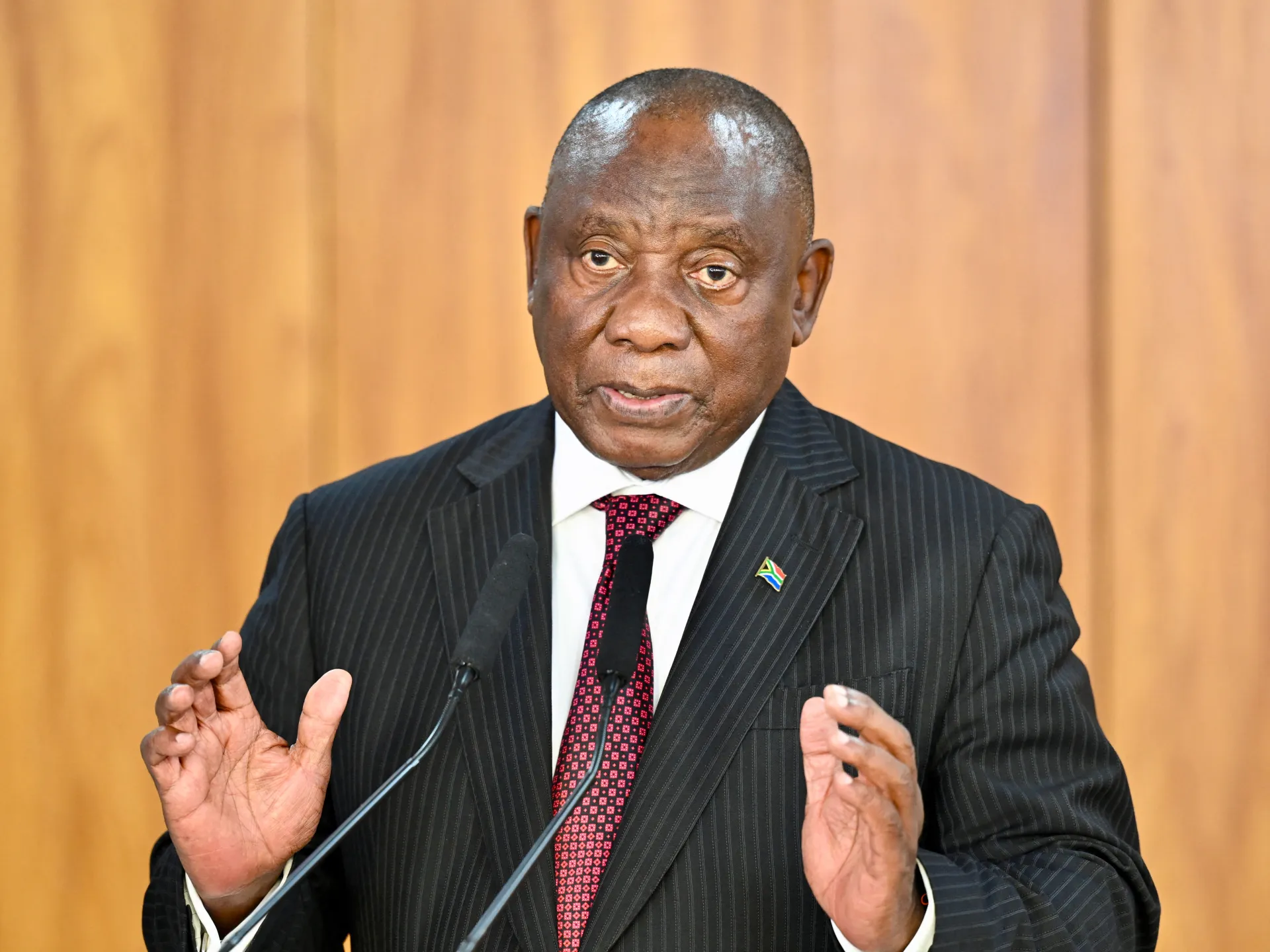
South Africa's National Assembly is moving to establish an impeachment committee to investigate President Cyril Ramaphosa regarding the Farmgate scandal. This development follows a recent ruling by the Constitutional Court, which declared that parliament's previous decision to block an inquiry into the matter was unconstitutional. Consequently, the Speaker of the lower house has been tasked with setting up the committee to review the available evidence before deciding whether to recommend formal impeachment proceedings.
The investigation centres on allegations that $4 million in foreign currency was concealed in a sofa at the President's Phala Phala game farm following a theft incident in 2020. Questions have been raised regarding how the President, who campaigned on a platform of fighting corruption, acquired the funds and why they were hidden in furniture rather than deposited in a bank. The committee is expected to deliberate over the matter for several months to assess these claims.
President Ramaphosa has consistently denied any wrongdoing. In an address to the nation on Monday evening, he stated that he would not resign and confirmed his intention to legally challenge a preliminary report that found evidence of misconduct. While he acknowledged the court's judgement to revive the proceedings, he maintains his innocence and plans to contest the findings through the legal system.
The case was initiated by two opposition parties, the Economic Freedom Fighters and the African Transformation Movement. The Economic Freedom Fighters have called on the President, who has held office since 2018, to resign. Meanwhile, the ruling African National Congress has convened a meeting of its National Executive Committee for Tuesday to discuss the implications of the scandal for the party.
Despite the gravity of the inquiry, the President's removal from office remains uncertain. Even if the committee's review concludes with negative findings, Ramaphosa would likely survive a subsequent vote in the National Assembly. A two-thirds majority is required to remove him from office, and the ANC retains more than one-third of the seats in the lower house, despite losing its parliamentary majority in the 2024 elections.