Fukushima microbus tragedy raises questions over driver competency following long-term inactivity
Twenty-one students and others were injured or killed in an accident on the Iwate Expressway, prompting scrutiny of the suspect's recent operational history.
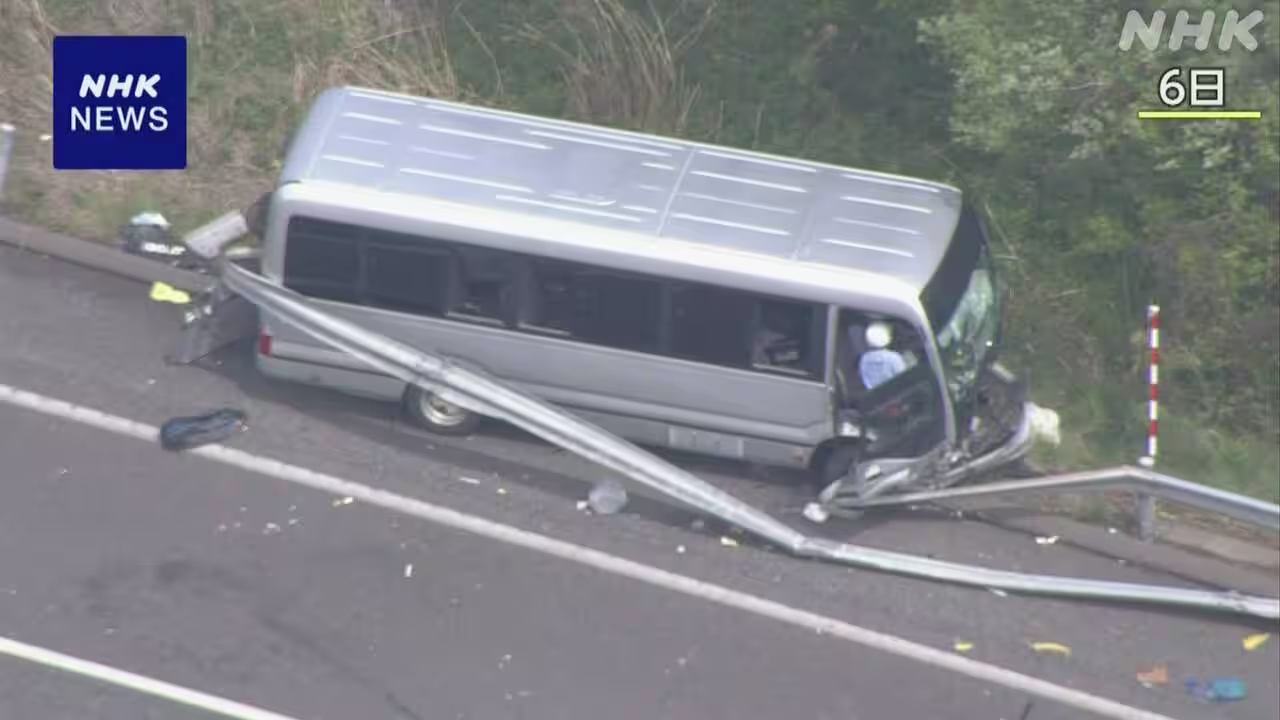
A fatal microbus collision on the Iwate Expressway in Fukushima Prefecture has resulted in injuries or deaths among 21 high school students and others participating in a club expedition. The incident has drawn immediate attention to the operational history of the individual currently under suspicion for the crash.
According to reports from NHK News Japan, the suspect previously held a position driving buses locally but resigned from that role in March of the previous year. This resignation marks a significant break in the individual's professional engagement with public transport operations prior to the recent tragedy.
Following the departure from his local driving post, the suspect reportedly had almost no opportunities to drive a bus. This extended period of inactivity has become a focal point of the emerging narrative surrounding the accident, suggesting a potential gap between the driver's past qualifications and their current practical competency.
The vehicle involved was transporting students on what was intended to be a routine educational excursion. The severity of the outcome, with twenty-one casualties, underscores the critical nature of driver readiness and the potential risks associated with operating heavy vehicles without recent active experience.
While the specific reasons for the suspect's resignation in March remain unconfirmed in current reporting, the timeline indicates a substantial duration since the driver last performed professional duties. This context is being examined as part of the broader investigation into the circumstances leading up to the collision.
Legal proceedings are yet to be concluded, as the individual is currently referred to as a suspect. However, the qualitative assessment of their driving history highlights the importance of maintaining consistent operational standards within the transport sector to prevent such tragedies.