Ethiopia-Eritrea tensions persist as fuel crisis masks strategic rivalry
Prime Minister Abiy Ahmed's push for direct Red Sea access collides with coastal resistance, while regional instability in Tigray and upcoming elections complicate the security outlook.
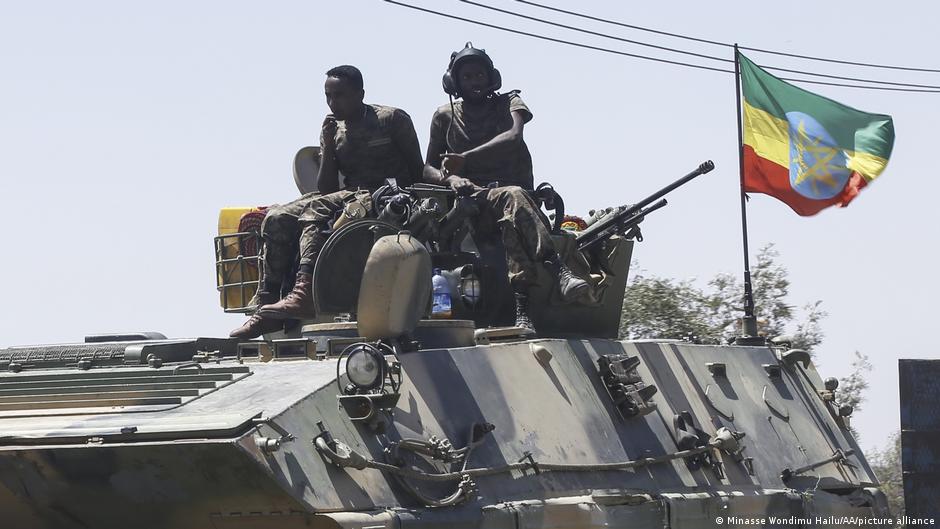
Analysts caution that while immediate hostilities between Ethiopia and Eritrea have paused, the risk of renewed armed conflict remains high. This temporary de-escalation is currently driven by regional fuel shortages exacerbated by the ongoing war in Iran, which has made a new military operation economically unfeasible for the moment.
Prime Minister Abiy Ahmed has intensified his rhetoric demanding direct access to the Red Sea to reduce Ethiopia's dependence on the port of Djibouti. This strategic goal, pursued since 2023, faces resistance from coastal states and complicates relations with neighbours who have historically opposed Ethiopian control over such access. The 2018 peace agreement, which initially offered a pathway to secure sea access, has seen signs of confrontation return as the political situation in the Horn of Africa deteriorates.
The underlying causes of the rivalry persist despite the current economic constraints. Reports indicate that Ethiopian government soldiers and fighters from Tigray have been stationed along the 1,000-kilometre border with Eritrea earlier this year, suggesting that the situation has not fully de-escalated. While the immediate danger of war has passed due to economic constraints, the pause is viewed by experts as merely a postponement of inevitable political confrontations.
Eritrea has positioned itself strategically by strengthening ties with Ethiopia's regional adversaries, particularly Egypt, and reportedly supporting armed groups such as the Amhara ethnic militia Fano and the Tigray People's Liberation Front. Simultaneously, Ethiopia's key geostrategic partner, the United Arab Emirates, faces pressure to reduce its involvement in the Horn of Africa to focus on domestic conflicts in the Persian Gulf, potentially leaving Ethiopia with less support in the event of a potential war.
Domestic politics in Ethiopia further complicate the security landscape, with the fragile post-war situation in Tigray remaining a central point of tension. The interim administration in the region faces criticism, and fears exist that armed conflict between the Ethiopian government and regional forces could flare up again, especially given the history of election-related triggers for past violence.
Upcoming parliamentary elections on 1 June are a priority for Abiy Ahmed's Prosperity Party, which seeks to secure legitimacy and maintain political dominance. Analysts note that it makes little sense for the government to postpone these elections ahead of a military operation, meaning the political pressure to consolidate power will likely continue regardless of the military standoff with Eritrea.