Eight killed in charter plane crash at remote Alaskan radar site
A Cessna 441 operated by Security Aviation crashed during approach to the Cape Newenham Long Range Radar Site, killing all eight people on board.
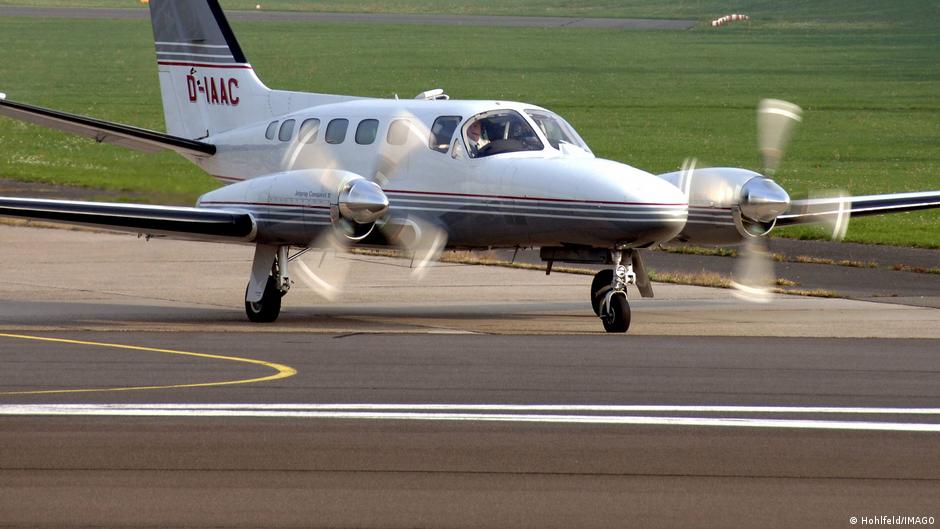
A charter aircraft crash in western Alaska has claimed the lives of eight people, according to the United States military. The incident occurred on Thursday when a Cessna 441, operated by Anchorage-based Security Aviation, crashed while on approach to the Cape Newenham Long Range Radar Site Airport. The site is located approximately 725 kilometres west of Anchorage, the state’s largest city, from which the plane had departed.
The National Transportation Safety Board (NTSB) confirmed that six passengers and two pilots were aboard the aircraft at the time of the crash. The radar site, managed by the Pacific Air Forces Regional Support Center, serves a critical function in tracking aircraft operating within Alaskan airspace. The crash site is described as remote, complicating the immediate response efforts.
Alaskan Command, which includes the Alaskan North American Aerospace Defense Command Region and Eleventh Air Force, identified the aircraft as a civilian-contracted plane. Lt. Gen. Robert Davis, the commander of the region, stated that the passengers were dedicated professionals carrying out a vital mission in a demanding environment. However, the specific nature of the work being conducted at the radar site was not immediately clarified in the military’s initial statement.
Senator Lisa Murkowski expressed condolences following the news, noting her personal experience with the charter company. She stated that she had travelled extensively with Security Aviation throughout Alaska and had met many of their experienced pilots. The senator highlighted the company’s role in operating within the region’s remote areas.
Multiple agencies responded to the scene, including the US Coast Guard, the NTSB, Alaska State Troopers, and the Rescue Coordination Center. The coordinated response underscores the logistical challenges involved in managing incidents in such isolated locations. The NTSB is expected to lead the investigation into the cause of the crash, which has not yet been determined.
The incident has raised questions regarding the safety protocols and operational oversight of civilian-contracted aircraft serving military facilities. As the investigation progresses, officials will likely scrutinise the maintenance records and flight data to understand why the plane failed during its final approach.