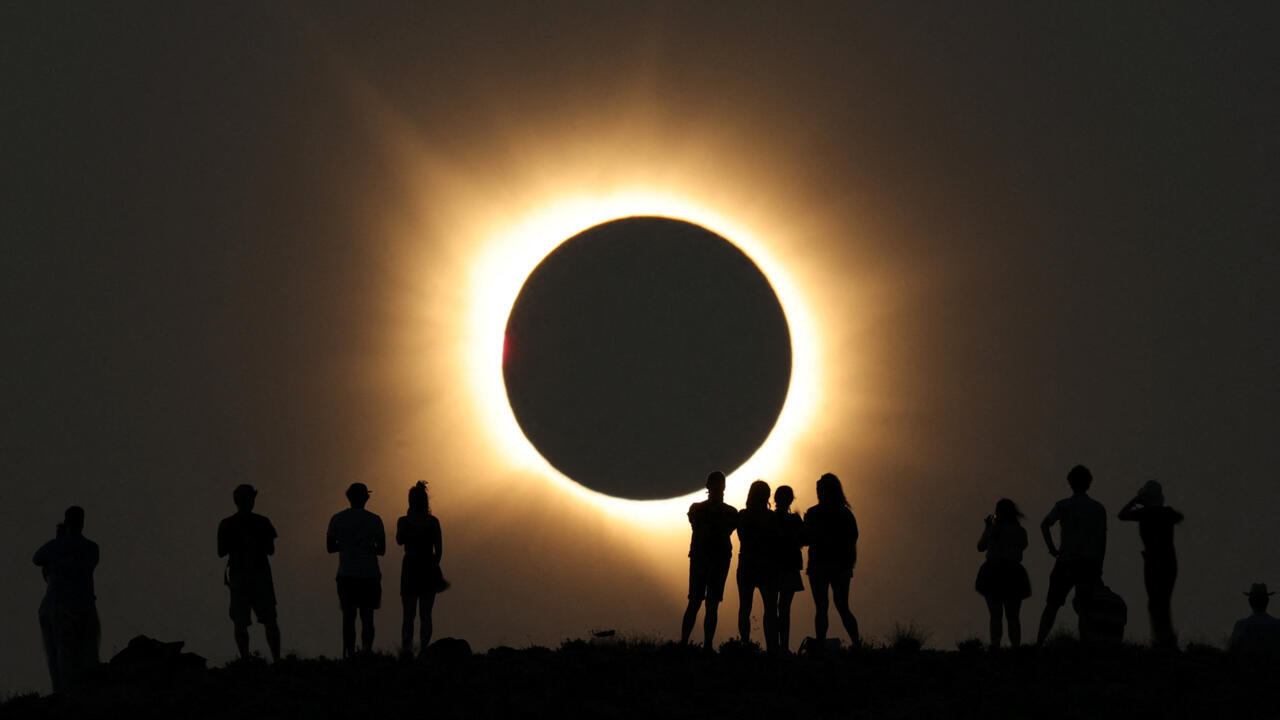
Eclipse tourism strains infrastructure in northern Spain as celestial event passes
France 24 reports that the August 12 event, tracing a path from the Arctic through Iceland to the Mediterranean, offers scientific data on the Sun’s corona but triggers significant logistical pressures across rural Spain.
A total solar eclipse swept across northern Spain on Wednesday evening, marking the first occurrence of this celestial phenomenon in the region since 2006. The event, which drew significant public attention, has now become a focal point for discussions regarding regional infrastructure capacity and the logistical challenges posed by sudden surges in tourism.
According to reports from France 24 International, the eclipse’s path traced a trajectory from the Arctic, through Iceland, and down to the Mediterranean. While the astronomical event provided valuable opportunities for scientific observation, particularly regarding data on the Sun’s corona, the immediate aftermath has highlighted the strain on local services.
The influx of visitors seeking to witness the eclipse has generated significant logistical pressures in rural parts of northern Spain. France 24 noted that the sheer volume of eclipse tourism has strained infrastructure, raising questions about how local authorities manage such large-scale, transient populations in areas not typically equipped for such demand.
This latest event stands in contrast to previous occurrences, with the last total solar eclipse visible in northern Spain dating back to 2006. The long interval between events has contributed to heightened interest and a corresponding increase in travel activity, placing additional stress on transport networks and accommodation facilities in the affected regions.
The logistical challenges observed during the Wednesday evening event underscore the growing intersection between astronomical phenomena and regional governance. As interest in eclipse tourism continues to evolve, the strain on infrastructure in rural Spain serves as a case study for the practical implications of hosting major celestial events.
While the scientific value of the eclipse remains a key component of its significance, the operational impact on local communities is now a central aspect of the narrative. The logistical pressures reported by France 24 suggest that future events of this nature will require more robust planning to mitigate disruptions to rural infrastructure.
The event has concluded, but the discussion regarding the balance between scientific observation, tourism, and infrastructure resilience is likely to persist. The experience in northern Spain provides a clear example of the logistical complexities involved in managing public interest in rare astronomical events.