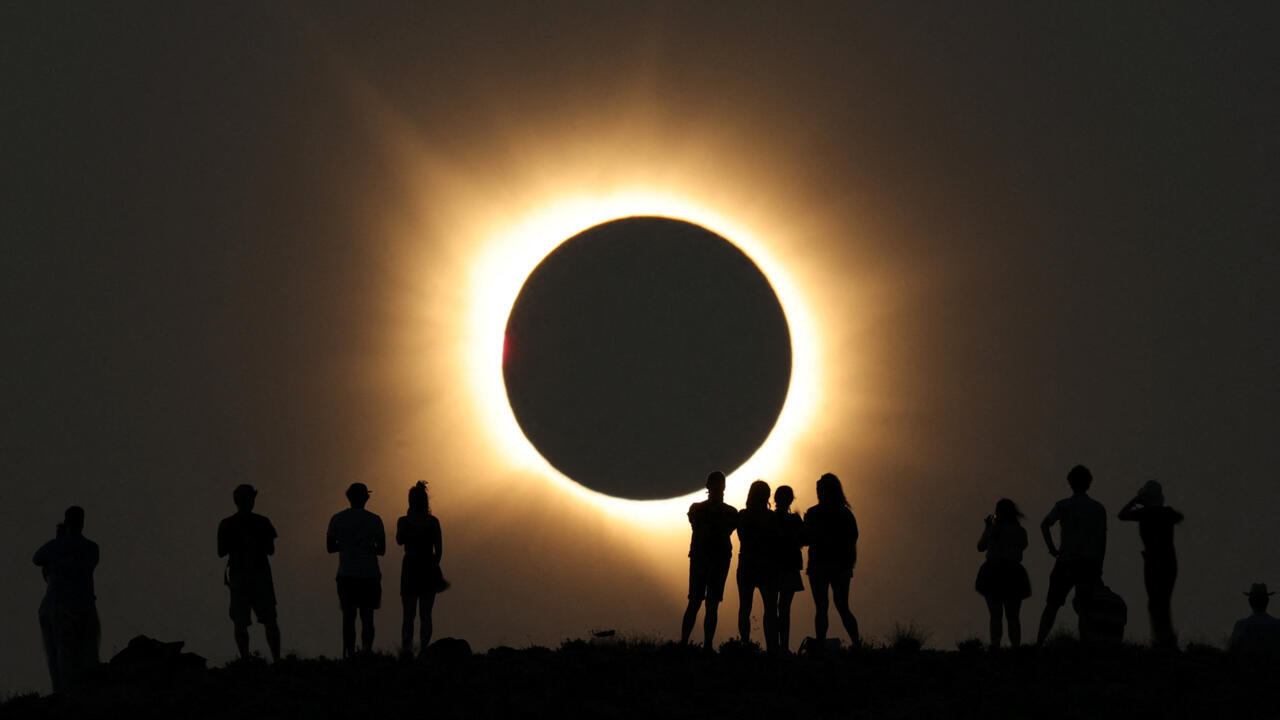
Solar eclipse brings two-minute darkness to Europe in first total event since 2006
The total solar eclipse of 12 August 2026 marks the first time Europe has witnessed totality in 27 years, with NASA releasing imagery of the alignment as crowds gather along the path.
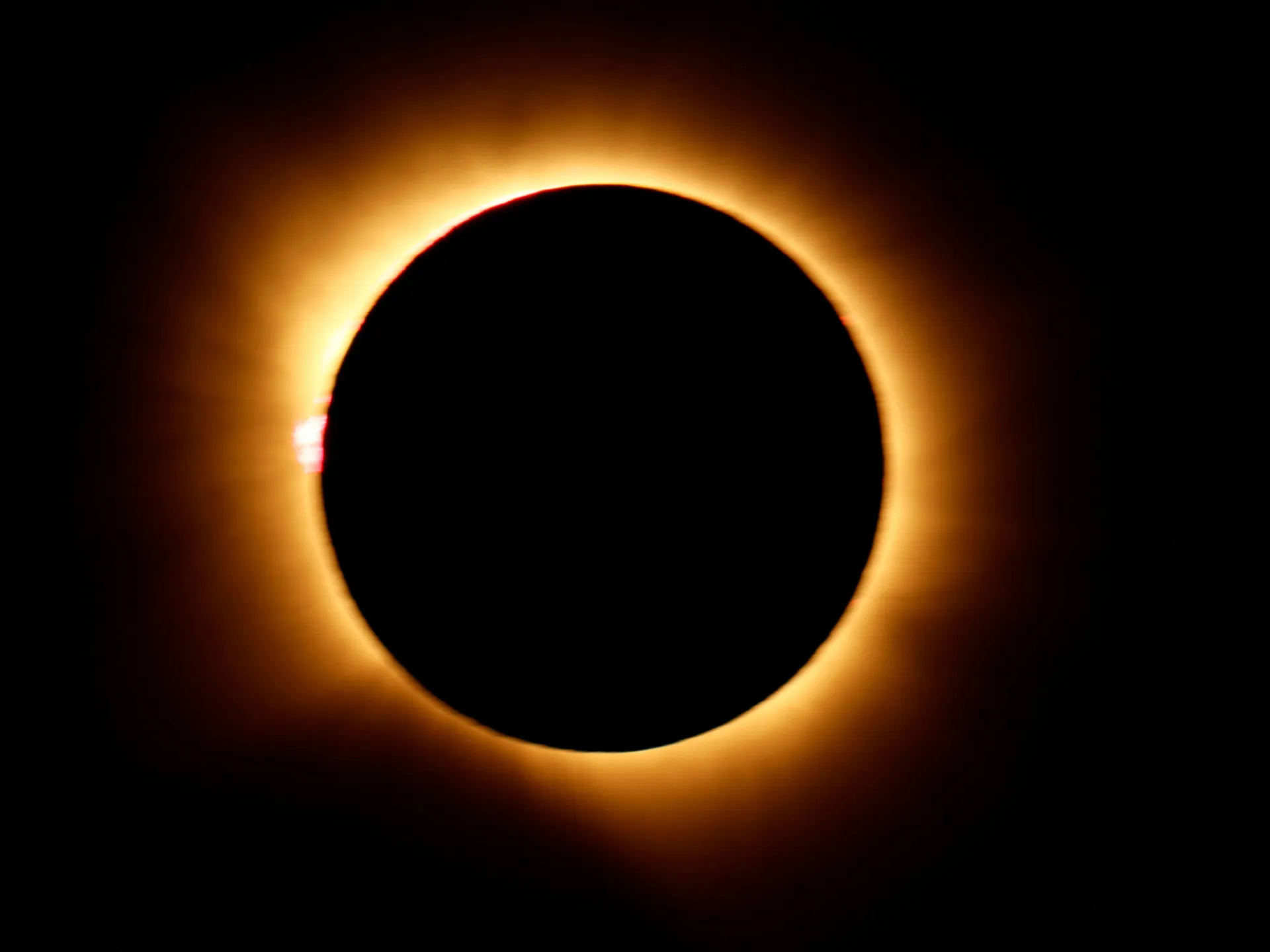
A total solar eclipse traversed parts of Europe on 12 August 2026, plunging regions including Iceland, Britain, Spain and portions of Portugal into darkness for approximately two minutes. The event, which began at 15:34 GMT, interrupted daylight hours as the moon gradually blocked the sun, creating sudden night conditions along the specific path of totality.
The path of totality swept across the Northern Hemisphere, crossing northern Russia, Greenland and Iceland before moving across the Atlantic to cover Spain and a small section of Portugal. Along this route, the moon completely obscured the sun’s surface facing Earth, bringing almost total darkness to an estimated 15 million people.
While totality was limited to the specific corridor described, a partial eclipse was visible across a much broader geographic area. Observers in most of Western Europe, parts of Northwest Africa, most of Canada and parts of the northern United States witnessed the moon partially obscuring the sun.
This occurrence marks the first total solar eclipse visible in Europe in 27 years, with the previous event observed in northern Spain in 2006. The celestial alignment drew significant public attention and crowds to affected regions, generating extensive photographic documentation of the phenomenon.
NASA released imagery of the event, highlighting the precise celestial alignment where the moon covered the sun. The eclipse provided opportunities for scientific observation of the sun’s corona, a layer of the atmosphere typically obscured by the sun’s brightness, while also causing logistical strain due to tourism in the affected areas.