Novorossiysk strike damages grain terminals and naval base as Black Sea logistics fracture
The attack on Novorossiysk has killed three and injured 24, while the Russian agriculture ministry confirms logistical constraints are forcing a shift to alternative export routes.
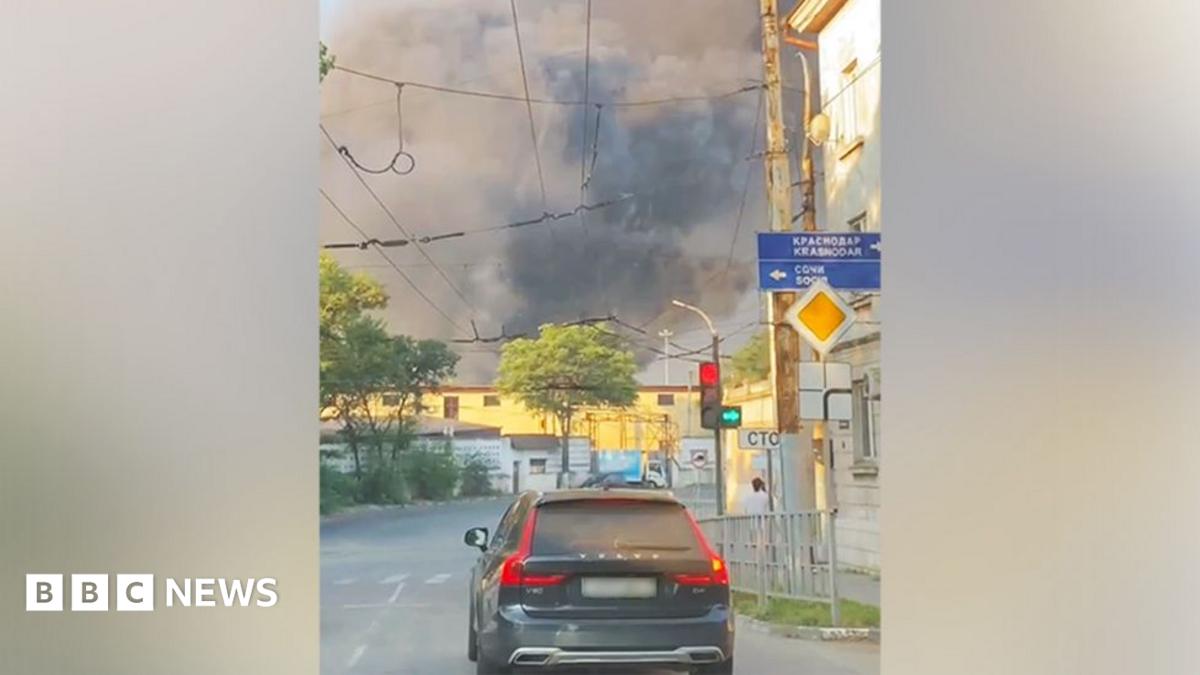
A coordinated Ukrainian drone and missile strike on the Russian port of Novorossiysk has severely damaged two major grain export terminals and struck the last significant Russian naval base on the Black Sea. The overnight attack resulted in three deaths, including an eight-year-old child, and left 24 others injured, according to local officials.
Ukraine’s President Volodymyr Zelensky described the operation as a "unique operation" involving rockets, jet, and naval drones targeting the Russian base. While Zelensky did not explicitly mention grain infrastructure in his initial statement, Ukraine’s military confirmed that four Russian warships, including two frigates, were hit. The port of Novorossiysk hosts the majority of Russia’s Black Sea Fleet following its evacuation from Sevastopol in Crimea due to exposure to Ukrainian attacks.
The Russian agriculture ministry announced on Wednesday that it is redirecting cargo flows to alternative ports in the Baltic and Caspian Seas, as well as land routes, citing "current logistical constraints." The ministry did not directly reference the Ukrainian attack but confirmed that major grain trading companies had verified damage to their terminals. An emergency situation was declared in Novorossiysk after the barrage damaged pipelines and suspended the city’s water supply.
Regional Governor Veniamin Kondratyev reported that drone debris killed a man elsewhere in the region and that several hundred drones struck locations in the Krasnodar region, damaging dozens of buildings. In retaliation, Moscow launched aerial strikes between Tuesday and Wednesday that killed at least 11 civilians in Ukraine, primarily in the southern city of Zaporizhzhia.
The incident exacerbates a broader decline in grain exports from both nations as they continue to target each other’s shipping infrastructure. The Ukrainian Agribusiness Club reported a 23% decrease in exports in July, while Moscow-based analytics suggest Russian wheat exports for August could fall by more than half compared to the previous five years.
Russian foreign ministry spokeswoman Maria Zakharova accused Ukraine of striking agricultural infrastructure, resulting in higher global food prices and growing shortages. However, she also stated that Russia would continue striking facilities used by Ukraine’s armed forces to destabilise navigation in the Black and Azov Seas until security threats are eliminated.
The collapse of the 2022 Black Sea Grain Initiative followed Moscow’s resumption of attacks on vessels using maritime corridors to Odesa. Together, Russia and Ukraine account for a significant share of global grain trade, particularly affecting buyers in North Africa, the Middle East, and parts of Asia.