Drought conditions reveal Nazi-era vessel wrecks on Danube
Environmental factors in Serbia bring submerged World War II-era vessels to light, raising questions about heritage preservation and river management.
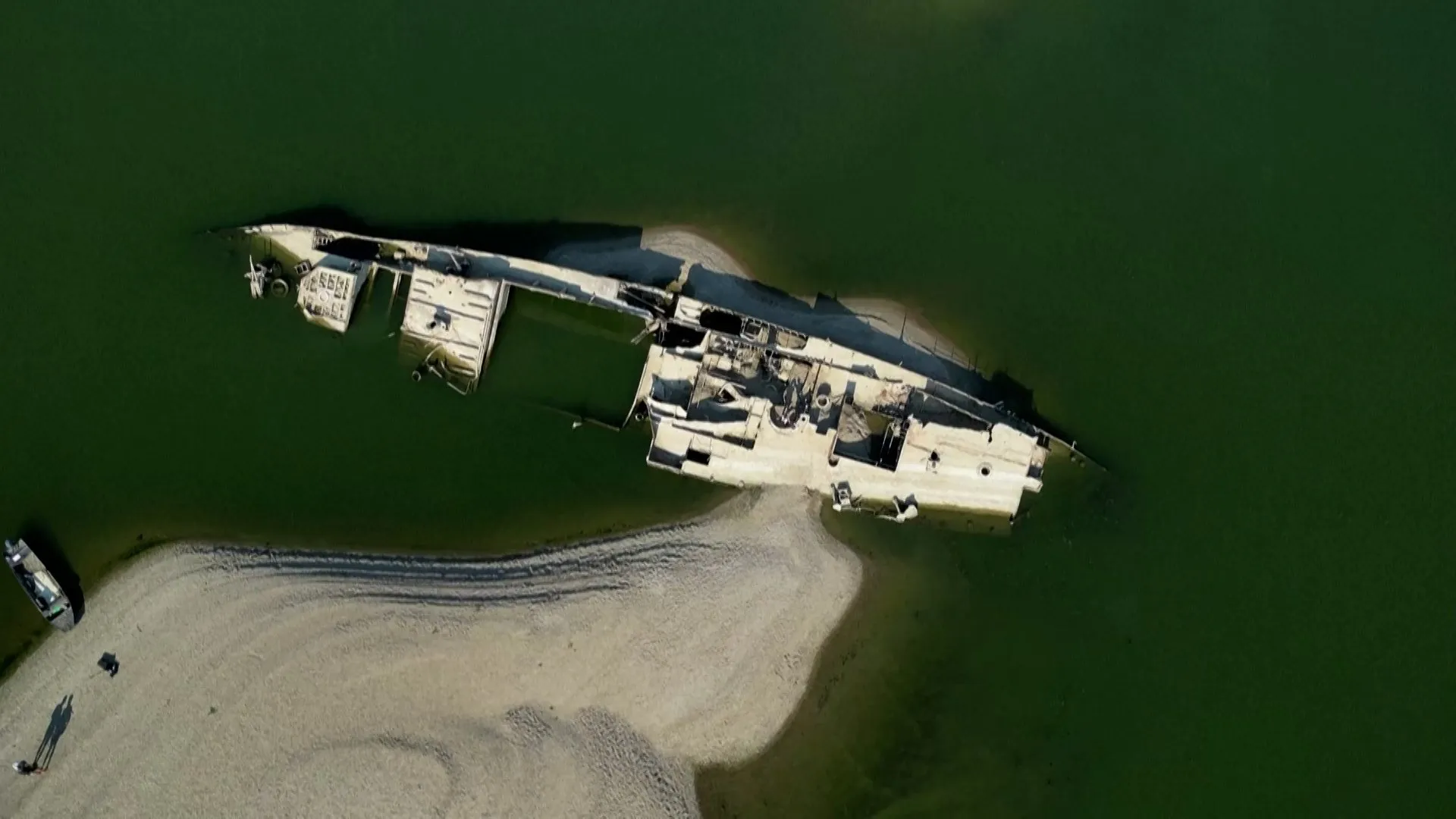
Severe drought conditions along the Danube River have resulted in record-low water levels, uncovering the remains of dozens of vessels dating back to the Nazi era. The exposure occurred in the vicinity of Prahovo, Serbia, where the receding waters have left the wrecks visible on the riverbed.
According to reports from Al Jazeera Global News, the drastic drop in water levels has made these historical artifacts accessible, though the specific identities and conditions of the ships remain unverified. The source material describes the find as involving "dozens" of vessels, but does not provide a precise count or detailed classification of the warships.
The incident highlights the intersection of environmental stress and historical preservation in the region. While the drought has revealed these remnants of the Second World War, it also underscores the vulnerability of submerged heritage sites to changing climatic conditions. The visibility of the wrecks is directly attributed to the abnormal hydrological levels in the Danube.
No immediate official response regarding the preservation or investigation of the site has been recorded in the available source data. The revelation of these wrecks serves as a stark reminder of the military history embedded in the river’s infrastructure, now exposed by contemporary environmental challenges.
As water levels remain critically low, the long-term implications for the structural integrity of these wrecks are unclear. The event has drawn attention to the Danube’s role as a repository of historical conflict, with the current drought acting as an unintended catalyst for archaeological visibility.