Federal judge halts White House ballroom project amid $1bn funding controversy
A Washington DC court has suspended construction on the new East Wing ballroom, citing the need for Congressional approval, as reports emerge of nearly $1bn in expenditure for the controversial renovation.
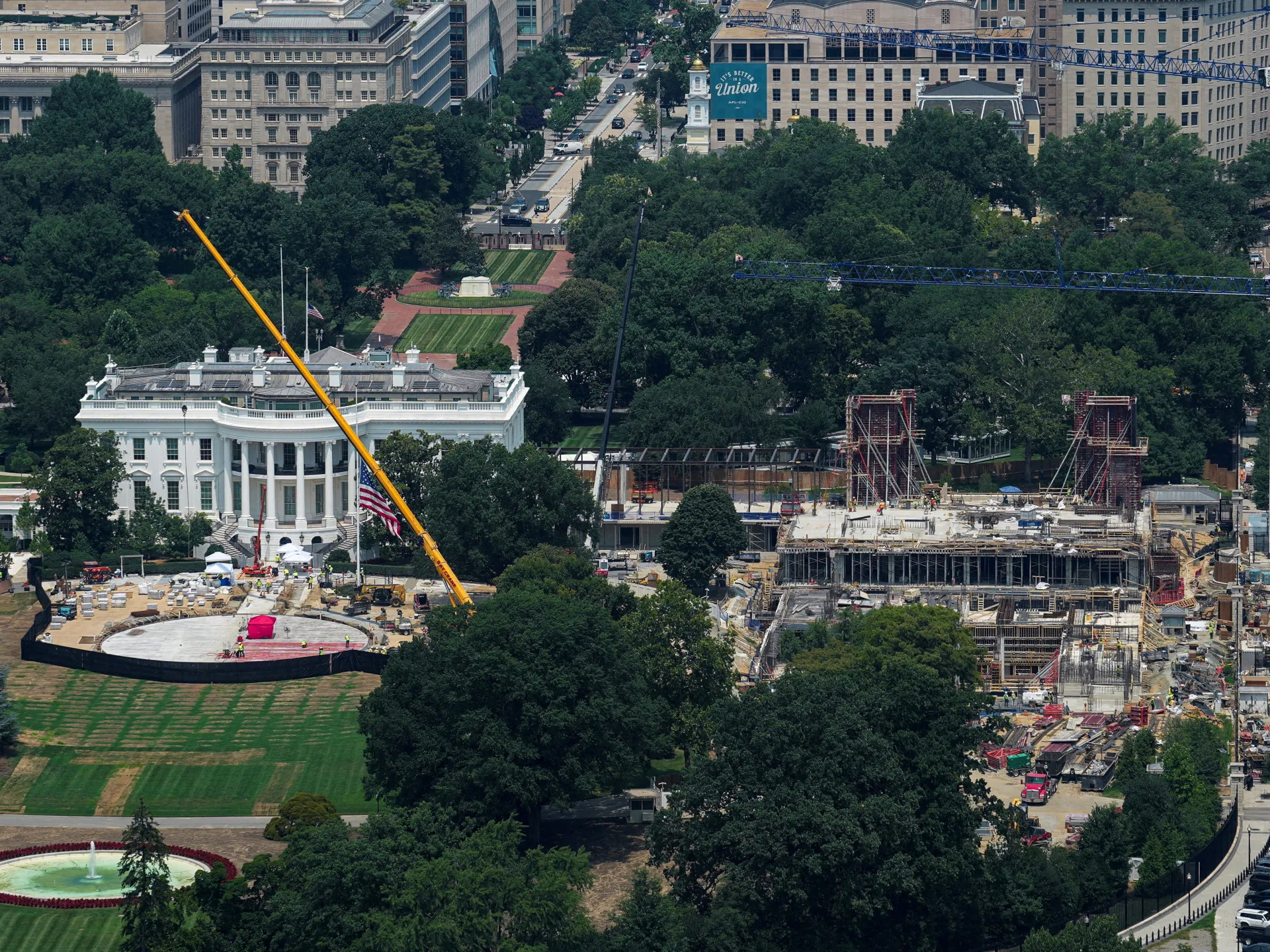
The Trump administration has come under renewed scrutiny following the release of documents detailing plans to spend nearly $1bn on construction and expansion at the White House. The project, which includes a new ballroom replacing a significant portion of the East Wing, has been defended by officials as a long-overdue necessity inextricably linked to the security of the President and the grounds.
However, the financial mechanics of the renovation have drawn sharp criticism. While the White House has long maintained that the work is funded by private donors, documents obtained by The Washington Post indicate that approximately $875m has been allocated to the White House Repair and Restoration account. This fund, which typically holds only several million dollars for routine maintenance, has been swelled by $500m from the Secret Service and the White House Military Office, alongside $305m in private donations. The source of a further $70m within this account remains unindicated.
White House spokesman Davis Ingle stated that the acceleration of work was driven by recent security incidents, including attempted attacks on the President, and the upcoming 250th anniversary of US independence. Ingle confirmed that the construction is being coordinated with the Secret Service and the White House Military Office. He specified that approximately $400m for the new ballroom is being funded by "President Trump and generous American patriots".
The project faces significant legal hurdles after a federal judge in Washington DC ordered a halt to work on the ballroom last week. The judge ruled that Congressional approval is required under existing law before construction can proceed. This judicial intervention underscores broader concerns from lawmakers and advocacy groups regarding the transparency of the funding and the potential for conflicts of interest.
Critics point to the possibility that corporate donors are receiving government contracts in exchange for their contributions. The advocacy group Public Citizen reported in June that corporate donors to the project had received more than $50bn in government contracts over the previous six months. The administration’s reliance on security accounts for what is largely described as expansion work continues to fuel political debate over the propriety of the expenditure.