Netanyahu Rejects US-Backed Gaza Plan, Analysts Say
The decision is viewed by experts as a diplomatic victory for Hamas and a reflection of domestic political strategy ahead of October elections, while potentially straining relations with Washington.
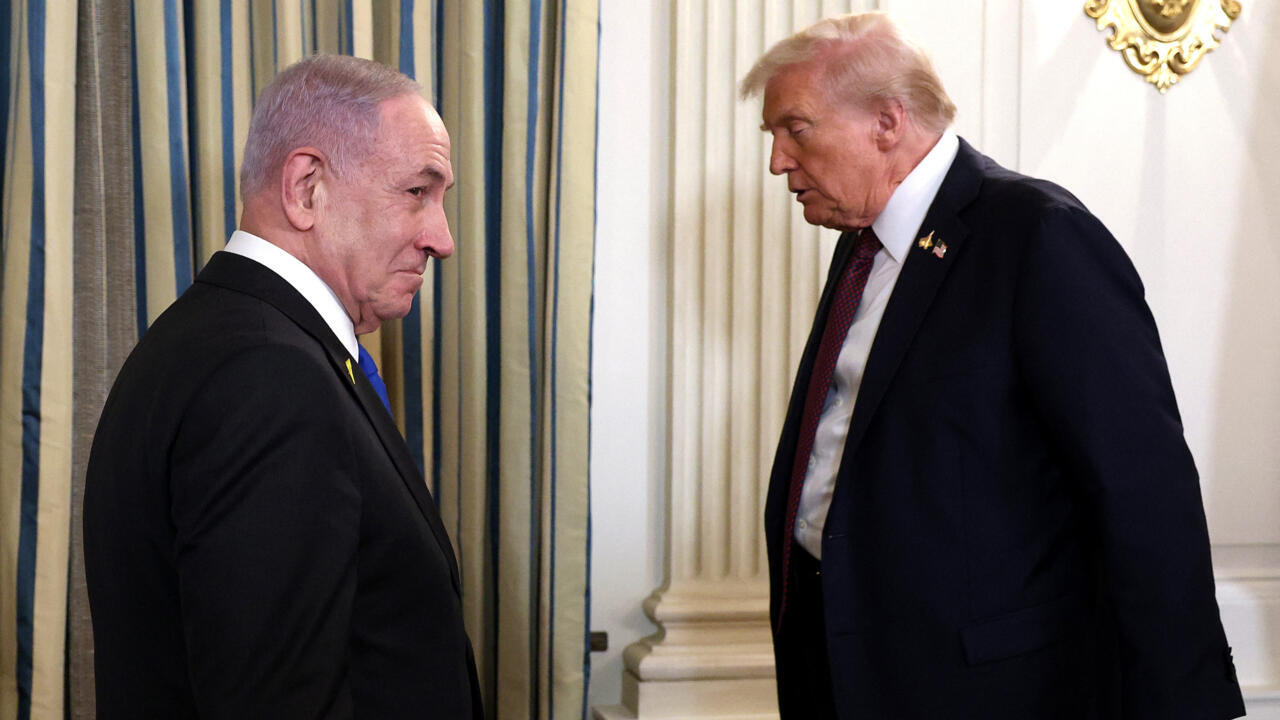
Israeli Prime Minister Benjamin Netanyahu has formally rejected a 15-point peace plan for Gaza backed by the United States, a move that analysts describe as a significant diplomatic victory for Hamas. The proposal, announced by US President Donald Trump in July, outlined a gradual Israeli withdrawal from the territory in exchange for the disarmament of Hamas weaponry. While Hamas agreed to the terms, Netanyahu insisted on "genuine disarmament" of all arms before any Israeli retreat, citing security concerns and pressure from far-right allies.
The rejection undermines the intended transitional role of the National Committee for the Administration of Gaza (NCAG), a technocratic body established in January to manage the enclave. The NCAG remains blocked from entering Gaza, currently held in Egypt due to Israel’s refusal to permit its access. The Israeli military continues to control nearly 70% of the 365-square-kilometre territory, with the army reducing the intensity of attacks since August 3 following assurances from Nikolaï Mladenov regarding the peace plan.
Netanyahu stated unequivocally that Israel does not accept the document, asserting that the Israel Defence Forces will not withdraw until Hamas is fully disarmed. He emphasised that this must involve heavy and light weaponry, describing any alternative as "fictitious disarmament." This stance aligns with the views of far-right Israeli politicians, including Finance Minister Bezalel Smotrich, who have called for the "full occupation" of Gaza and oppose any withdrawal.
Experts suggest the decision strengthens Hamas’s diplomatic standing by portraying the group as a reasonable actor willing to compromise. Ghaith al-Omari, a former Palestinian Authority official, noted that Hamas accepted the plan tactically to appear reasonable, and Netanyahu’s refusal worked in its favour. This shift forces Egyptian, Jordanian, and Saudi negotiators to contend with Hamas’s continued diplomatic relevance rather than blaming the impasse solely on the group.
The move reflects Netanyahu’s domestic political strategy ahead of the October 27 legislative elections, the first since the October 7, 2023 attacks. Analysts argue that the Prime Minister is balancing his image as a leader who defends national interest against confrontation, while also navigating ongoing corruption charges. The rejection also highlights tensions with Washington, where relations have been strained, including a reported heated exchange in June 2026.
Despite the formal rejection, some analysts suggest the situation has entered a "grey zone" where diplomatic speech is devalued. Charbit, a political science professor, noted that Israel’s "no" may not be absolute, similar to Hamas’s conditional "yes," potentially keeping the framework of the agreement alive despite the political fallout. The decision ultimately challenges the two-state solution framework established at the Sharm El-Sheikh Peace Summit in October 2025.