DR Congo Ebola death toll tops 2,500 as UN warns of exponential spread
The United Nations has described the ongoing Ebola epidemic in the Democratic Republic of Congo as growing "exponentially," with more than half of the recorded fatalities occurring in the last 20 days.
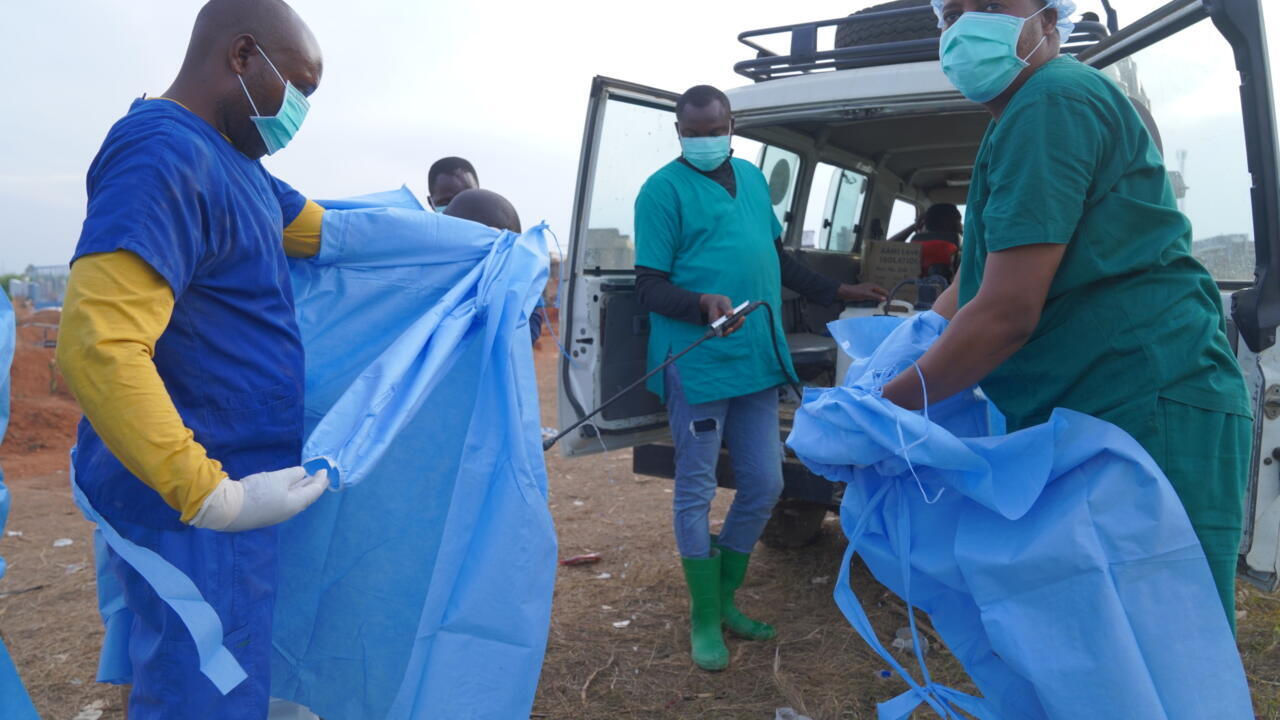
The Ebola outbreak in the Democratic Republic of Congo has claimed more than 2,500 lives, with the United Nations warning that the epidemic is expanding at a rate that outpaces current containment efforts. According to the latest figures, over half of these deaths have been recorded within the past 20 days, highlighting a sharp acceleration in mortality rates.
Julien Harneis, the UN’s senior Ebola coordinator, stated that the virus is "growing exponentially" and spreading faster than any recorded outbreak in the country’s history. Speaking to reporters in Geneva while based in Bunia, the epicentre of the outbreak, Harneis noted that the epidemic is now covering an area larger than France.
The outbreak, officially declared on 15 May, is the 17th recorded in DR Congo. Health officials believe the virus had already been circulating for several weeks prior to the formal announcement. The affected regions in the north and east are characterised by a weak state presence, limited health infrastructure, and the long-term presence of armed groups, which complicates the delivery of medical aid.
Harneis urged for a rapid scale-up of resources to prevent the virus from crossing into neighbouring countries. He emphasised that increased staffing and resources in remote eastern areas are critical to slowing transmission. Without these measures, he warned, the epidemic risks becoming more deadly and spreading wider.
The UN coordinator’s assessment suggests that the current response is struggling to keep pace with the geographic and demographic spread of the disease. The comparison of the affected area to France underscores the vast scale of the region requiring intervention, particularly given the logistical challenges posed by the terrain and local security conditions.
As the death toll continues to rise, the focus remains on whether international and local authorities can mobilise sufficient resources quickly enough to halt the transmission before the epidemic becomes a regional crisis.