Direct talks between Lebanon and Israel scheduled in Washington as hostilities continue
US Secretary of State Marco Rubio to chair discussions involving ambassadors from both nations, despite deep domestic division and ongoing violence in Beirut.
Direct negotiations between Lebanon and Israel are scheduled to commence in Washington, DC, marking the first such talks between the two nations in decades. The discussions will take place on Thursday evening and will be chaired by US Secretary of State Marco Rubio. The diplomatic roster includes the ambassadors of both countries to the United States, alongside US Ambassador to Lebanon Michael Issa and US Ambassador to Israel Mike Huckabee.
The Lebanese government has stipulated specific preconditions for the continuation of these talks, requiring an extension of the current ceasefire, a full Israeli withdrawal from Lebanese territory, and the return of Lebanese captives. Prime Minister Nawaf Salam has explicitly stated that these demands must be met. However, the timing of the negotiations remains highly contentious, as active hostilities and demolitions continue on Lebanese soil during the scheduled talks.
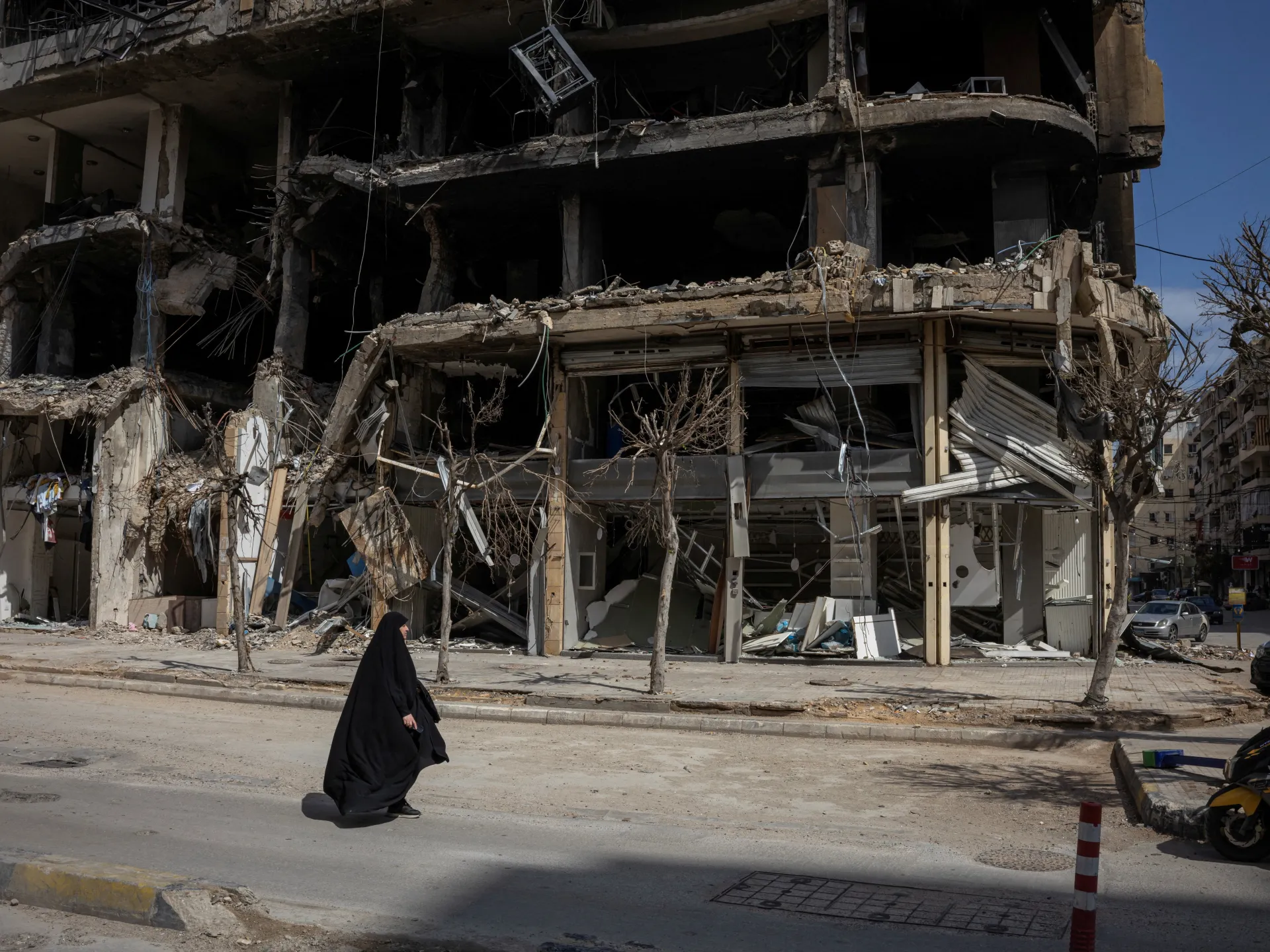
On Wednesday, Israeli attacks in southern Lebanon resulted in the death of five people, including front-line reporter Amal Khalil. A further three individuals were killed in an Israeli attack on Thursday. Concurrently, the Israeli military has established a buffer zone approximately 10km from the border, within which residents are prohibited from returning to their homes. Israel has demolished homes and villages in this area, referred to as the "yellow line," while maintaining a presence on Lebanese land.
The negotiations face significant opposition from Hezbollah, which has officially rejected the talks. This stance contrasts with the government's diplomatic efforts, creating a polarised environment in Beirut. Public sentiment remains deeply divided, with some citizens viewing the negotiations as the state's only viable option while others favour armed resistance or international legal action through the International Criminal Court.
The controversy is compounded by the perception that the Lebanese state lacks leverage compared to armed groups. Critics argue that without a strong deterrent, any agreement reached would likely be favourable to Israel. Conversely, some analysts suggest that diplomacy remains the best of several bad options to prevent further escalation and the potential for Israeli forces to enter Beirut.
The government declared Hezbollah's military activities illegal following the escalation of conflict on March 2, yet the group retains significant domestic support outside the Shia Muslim community. As the talks proceed in Washington, the situation on the ground continues to deteriorate, with over 1.2 million people displaced and thousands killed since the intensification of the war.