Diplomatic Friction Mounts as Japanese Defence Minister Visits Yasukuni Shrine
Neighbouring nations condemn the actions as symbolic of a failure to atone for wartime atrocities, while Tokyo maintains the visits uphold its postwar peaceful path.
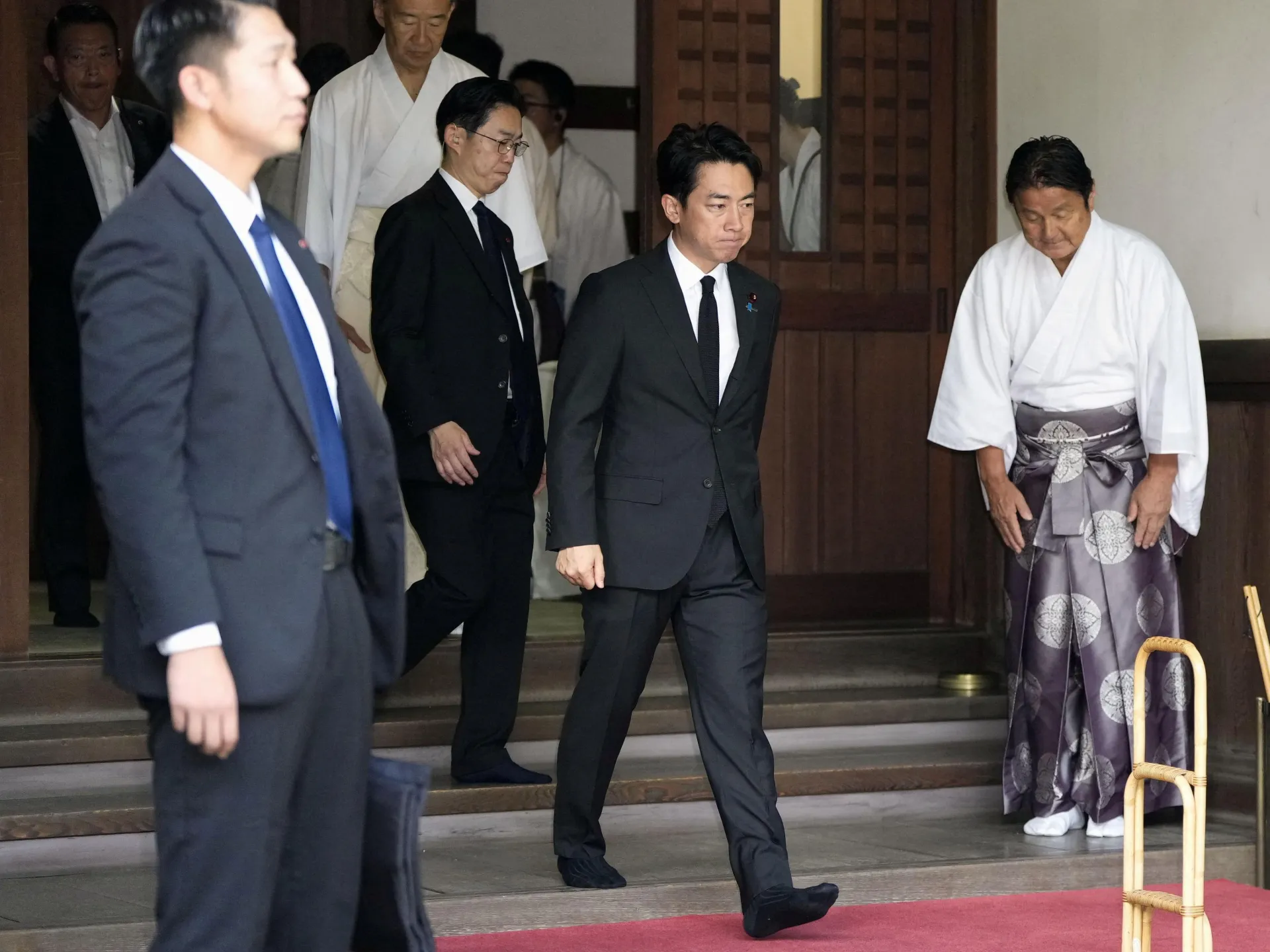
Japanese Defence Minister Shinjiro Koizumi visited the Yasukuni Shrine on Saturday, marking the 81st anniversary of Japan’s surrender in World War II. The visit has triggered immediate diplomatic friction, with China and South Korea lodging strong protests against the move. The shrine honours 2.5 million war dead, including 14 wartime leaders convicted of the most serious war crimes and at least 1,000 others found guilty by Allied tribunals following Japan’s 1945 defeat.
Koizumi, a regular visitor to the site, departed the shrine without responding to reporters’ inquiries. In a subsequent post on Instagram, he stated that he visited to offer sincere condolences to those who sacrificed their lives for the nation. He added that the visit reaffirmed Japan’s determination to uphold its postwar path as a peaceful nation, alongside its vow to renounce war.
Tensions were further compounded by actions from Prime Minister Sanae Takaichi. Although she did not visit the shrine in person, local media reported that she sent an offering, a practice undertaken by previous prime ministers. China’s Ministry of Foreign Affairs explicitly condemned both the minister’s visit and the prime minister’s offering, stating that it had lodged strong protests with the Japanese side.
South Korea’s Ministry of Foreign Affairs described the actions of Japanese leaders as anachronistic. In a statement, the ministry expressed deep regret and urged Japanese leaders to face history through actions that demonstrate humble reflection and sincere remorse for the past. Neighbouring countries have long viewed the shrine and visits by senior politicians as symbols of Japan’s failure to atone for the atrocities committed during Imperial Japan’s invasion and occupation of Asia in the 1930s and 1940s.
Japanese officials have historically explained such visits as being in a personal capacity to honour those who died in the nation’s wars. The last sitting Japanese prime minister to visit was Shinzo Abe in December 2013, a move that drew disappointment from the administration of then-US President Barack Obama. Prior to Koizumi, the last defence minister to visit was Minoru Kihara in 2024.