Fears Mount China May Replicate Iran’s Blockade Tactics in Taiwan Strait
Concerns grow that Beijing could exploit perceived US military distraction in Iran to enforce a blockade, prompting Taiwan to bolster maritime defences amid rising regional instability.
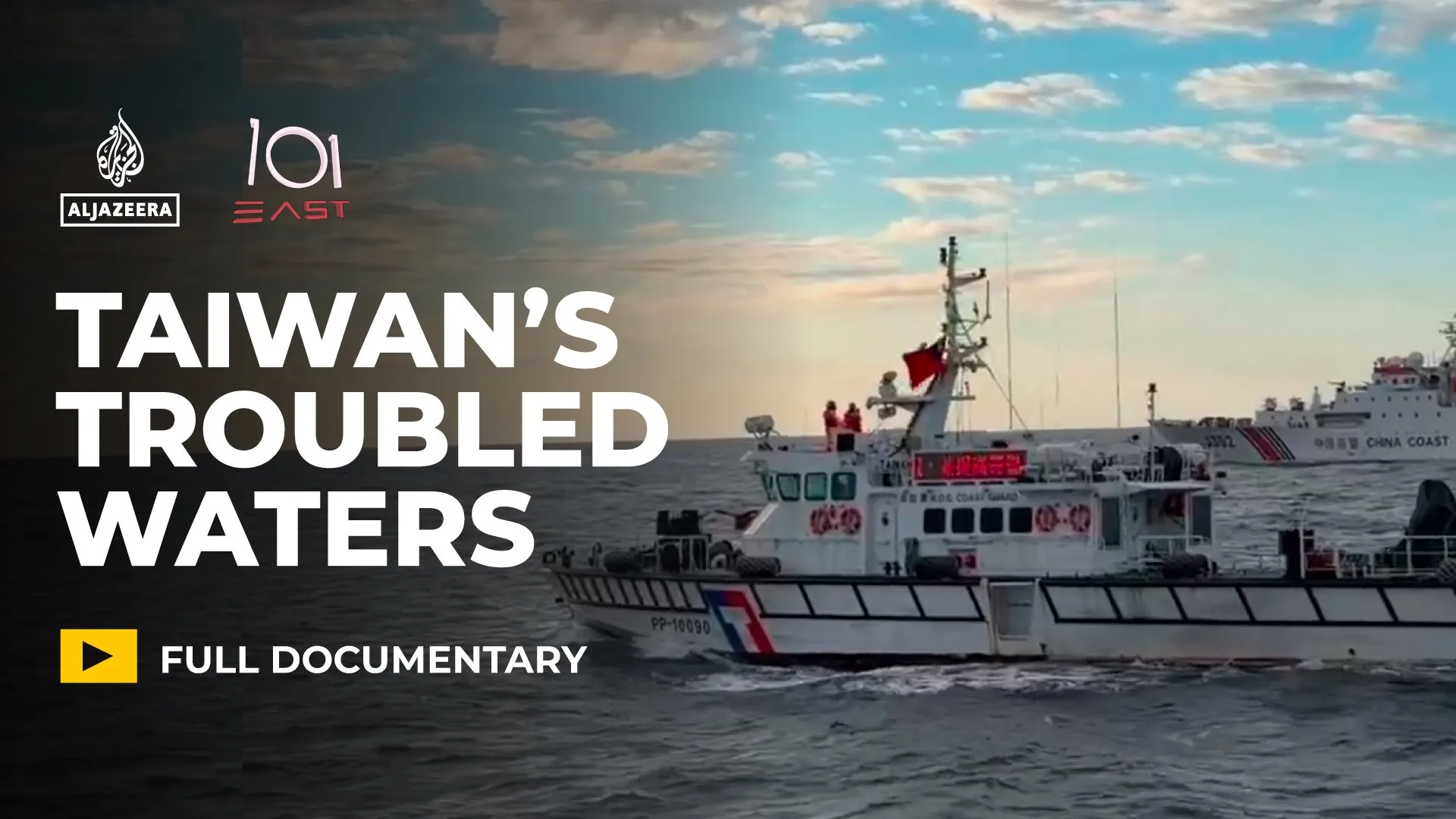
Concerns are rising that China may emulate Iran’s blockade strategy in the Strait of Hormuz within the Taiwan Strait, potentially exploiting a perceived distraction of the United States caused by conflict in Iran. Such a move would have severe implications for the global semiconductor supply chain, prompting Taiwan to strengthen its maritime defences.
Al Jazeera’s 101 East programme is currently investigating Taiwan’s preparations for a maritime blockade, featuring interviews with residents in Taiwan who are determined to resist surrender. The report highlights how wars in Iran and Ukraine are exposing new potential threats beyond the traditional fear of a direct military invasion.
Iran’s deputy foreign minister has stated that the Strait of Hormuz “will remain Iranian,” rebuffing US claims regarding the waterway. This assertion comes as Donald Trump has claimed the Strait of Hormuz would become US territory and described a naval blockade as a public service.
Beijing has long claimed Taiwan as part of its territory, and the island has historically prepared for a Chinese military invasion. However, the current geopolitical climate suggests a shift in risk assessment, with fears that the US, caught in the Iran war, may not come to Taiwan’s aid.
A blockade by China would have dire global consequences for a world heavily dependent on Taiwan’s semiconductor industry. The investigation underscores the urgent need for maritime security adaptations as regional powers navigate an increasingly complex security landscape.