European nations plan mass deportations to Afghanistan as right-wing pressure mounts
Germany, the Netherlands, Denmark and Norway are preparing to increase returns to Kabul, while EU officials engage with the Taliban to manage migration flows amid rising anti-immigration sentiment.
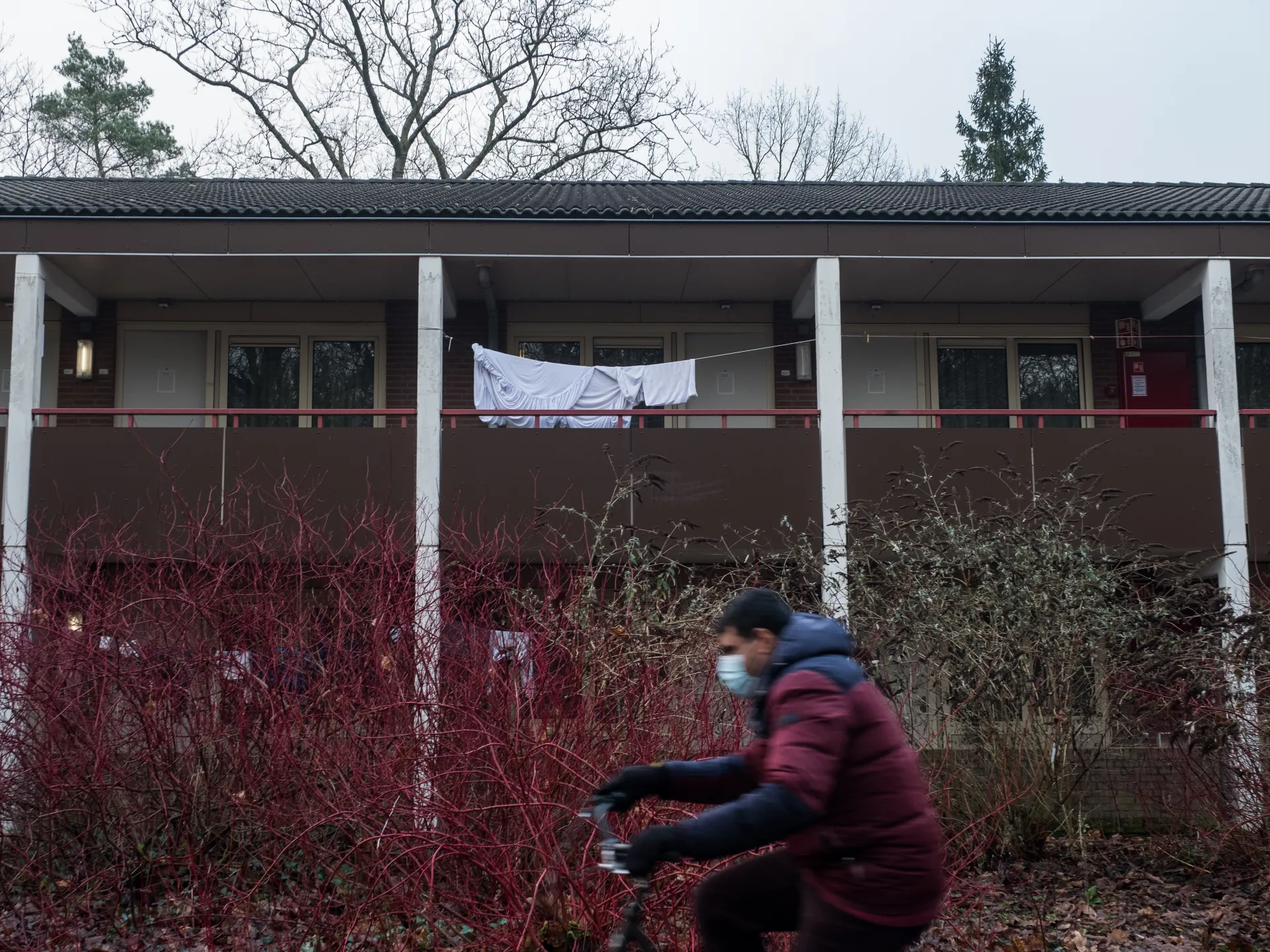
Thousands of Afghan refugees in Europe, including those evacuated following the Taliban’s 2021 takeover, face legal uncertainty and potential deportation as European governments adopt stricter immigration policies. Nations including the Netherlands, Germany, Denmark and Norway are planning increased deportations to Afghanistan, with Germany having already resumed deportations in 2024 following right-wing political pressure and criminal incidents.
A Swiss document obtained by the Dutch newspaper NRC indicates that the Netherlands, Germany, Denmark and Norway are planning to deport significantly more refugees to Afghanistan. Greece has also expressed intentions to deport Afghan refugees. This coordinated shift comes as anti-immigration sentiment and far-right parties gain influence across the continent, prompting governments to demonstrate a willingness to implement tougher refugee policies.
Germany was the first EU country to work with Taliban-appointed diplomats at Afghan missions in Berlin and Bonn. In 2024, Berlin lifted its de facto ban on deporting Afghans to Kabul following right-wing political pressure and two stabbing incidents involving a Syrian and an Afghan man. Approximately 200 people, mostly with criminal records, have been deported to Afghanistan by Germany in the past two years. In late July 2026, Germany deported an Afghan man without a criminal record for the first time.
The policy shift has created profound uncertainty for refugees such as Abdul Wali, a former interpreter for a Dutch NGO who arrived in the Netherlands in November 2021. Wali and his family, who were promised protection due to risks of reprisal, had applied for Dutch passports last June before the government changed the law, leaving them with only temporary residency permits. Former EU political assistant Fridoon, who signed a letter to the Dutch parliament last year, warned that return poses severe safety risks, stating that death would be waiting for those who go back.
Despite the EU not recognising the new administration in Kabul, 15 European ambassadors held a meeting with a Taliban delegation in Brussels on June 23 to discuss migration management. Former Dutch Deputy Ambassador Cees Roels criticised this approach, arguing that engaging with the Taliban makes them gatekeepers of migration policy while ignoring the root causes of displacement. With about half a million Afghans having applied for asylum in the EU since 2021, the legal limbo for those previously evacuated continues to deepen.