Mariupol housing boom: New complexes rise on sites of destroyed Ukrainian homes
Analysis of property trends in Leningradsky Kvartal reveals a market driven by state-subsidised mortgages and security personnel, as displaced Ukrainians are excluded from the new developments built over war-damaged sites.
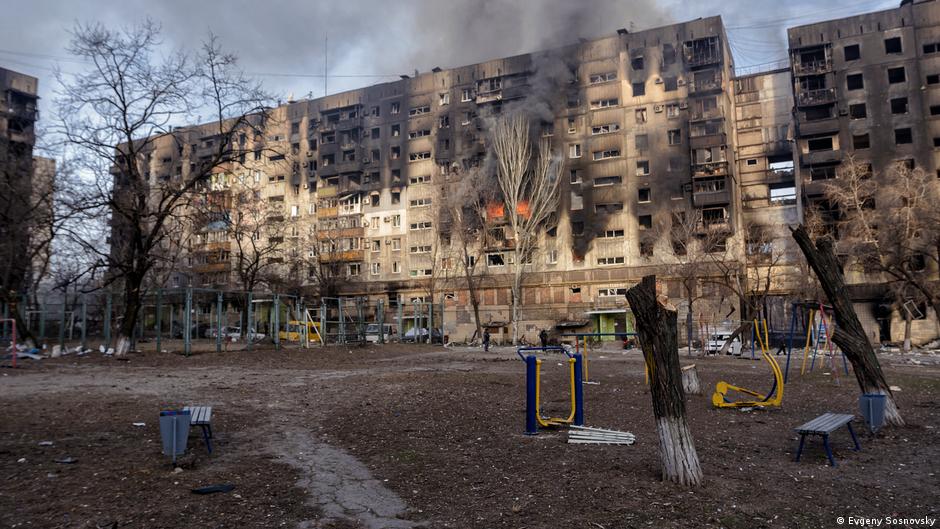
Russian nationals are purchasing high-rise apartments in Mariupol, constructed on sites where Ukrainian buildings were destroyed during the 2022 siege. The residential complex, known as Leningradsky Kvartal, was developed by contractor Su-2007 on Metallurgy Avenue, an area previously inhabited by Ukrainian residents who were displaced by missile strikes and Russian troops.
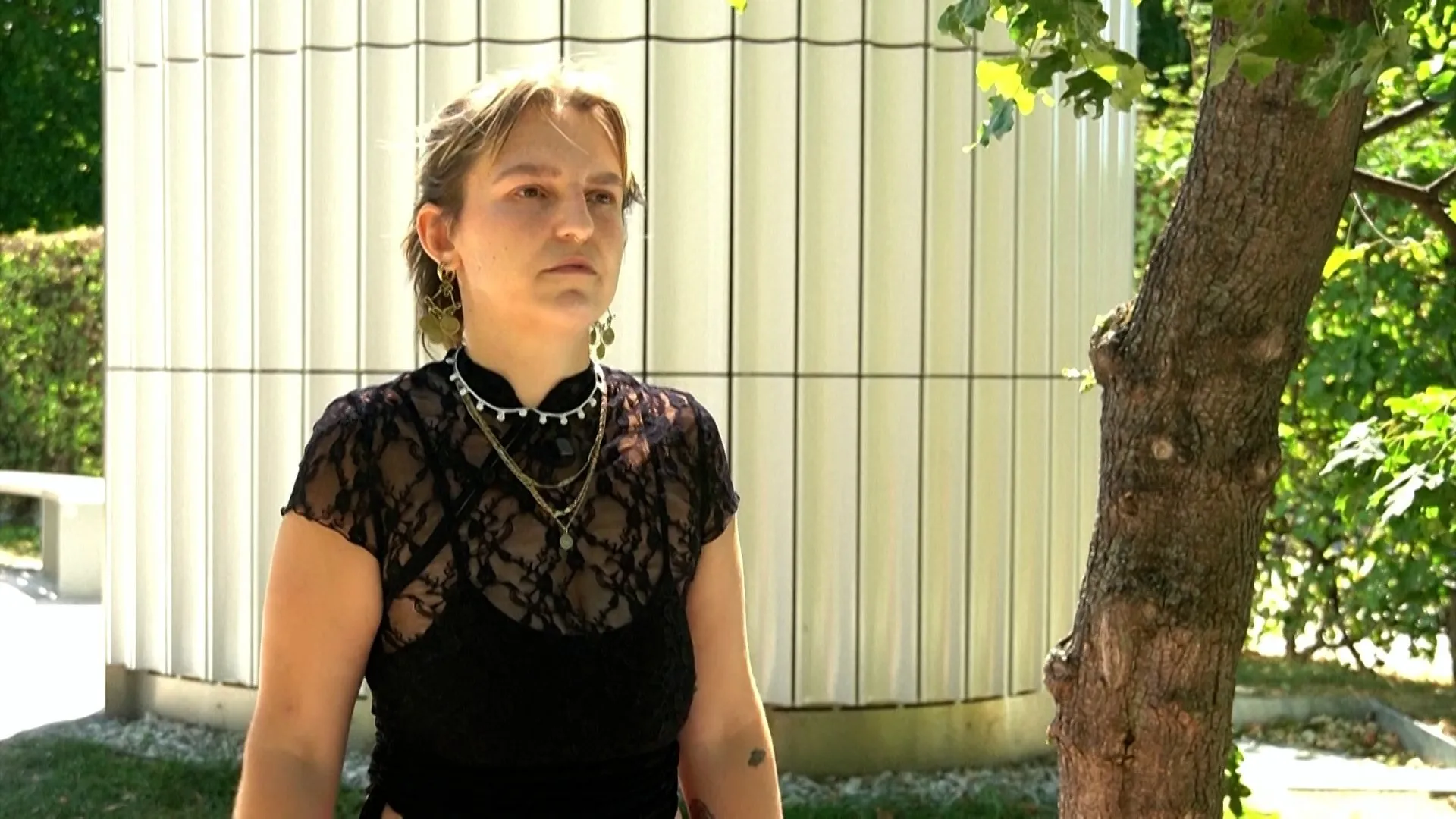
Former residents report that original inhabitants were not allocated apartments in the new development. Instead, displaced families were moved to hostels or accommodation on the outskirts of the city. Those who remained in undamaged but occupied buildings were reportedly forced to vacate their homes, with promises of replacement housing that have not materialised for those on Metallurgy Avenue.
The new properties are primarily acquired by Russian incomers, including security personnel, officials, and logistics workers. These buyers benefit from low-interest mortgages of 2 per cent, a scheme available exclusively to Russian citizens. The maximum loan amount is 6 million rubles, requiring a minimum deposit of 2 per cent.
Property prices in the occupied region have risen by a third in one year. One- and two-room apartments in the Leningradsky Kvartal complex cost between 7.5 million and 10 million rubles. Economist Vyacheslav Shiryaev noted that construction companies are cutting corners while demanding high prices, describing the quality of the apartments as very poor.
New residents have insured their mortgages against war risks, meaning they are not required to repay loans if buildings are destroyed, although they would lose the apartments themselves. Online forums for the complex show newcomers discussing furniture delivery from Russia and school placements, with no mention of the previous inhabitants.
Ukrainian authorities are not compensating residents for property loss in the occupied region, as they cannot assess the situation without access. Former residents describe the construction as erasing traces of war crimes, noting that the new buildings stand on sites where thousands were killed and their homes obliterated.