Deir el-Balah holds Gaza's first municipal vote in two decades
The Palestinian Central Elections Commission administers the poll amidst war ruins, with voters prioritising service delivery over partisan politics
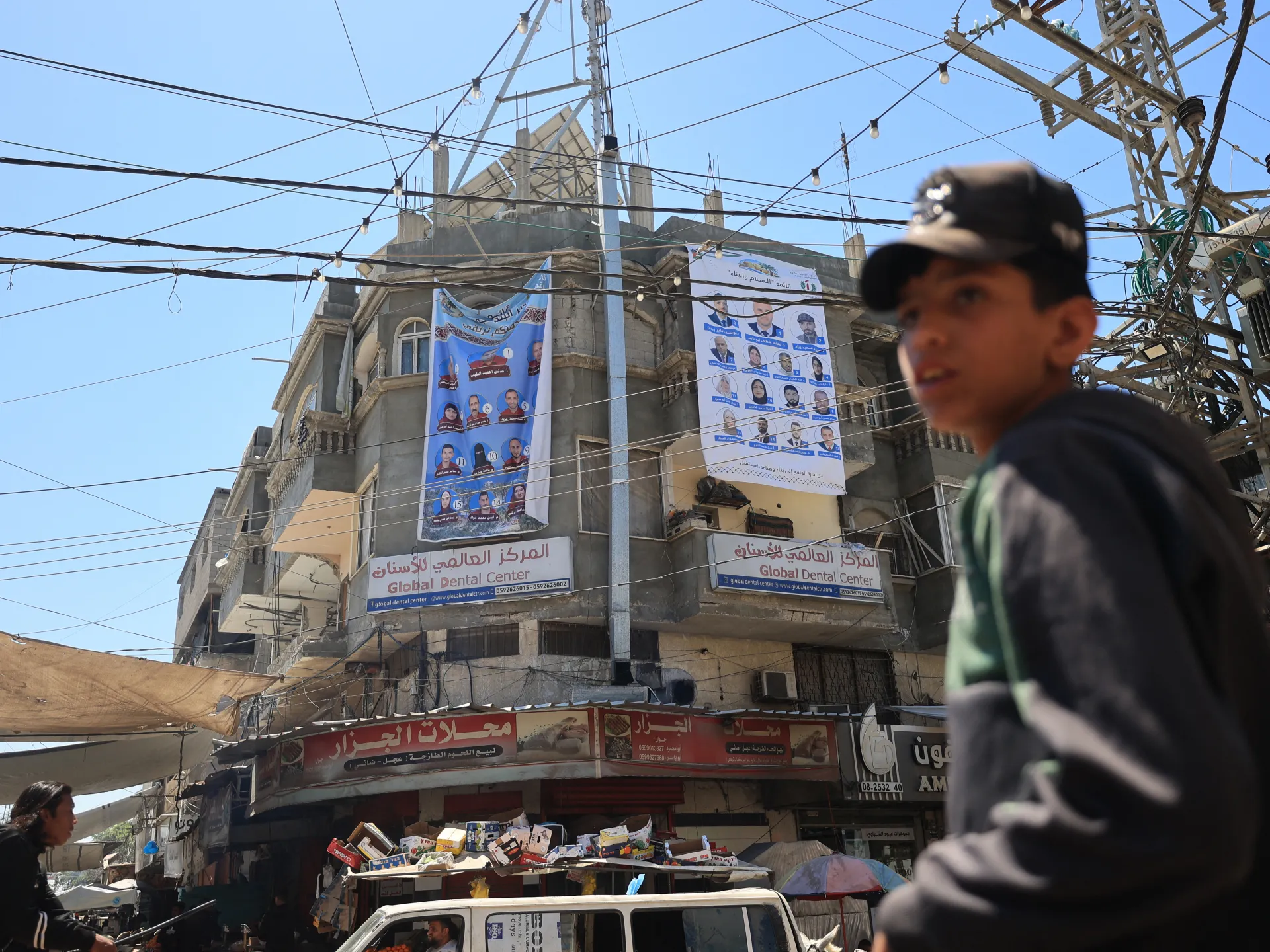
Residents of Deir el-Balah voted in Gaza's first municipal elections in over 21 years on Saturday, marking a significant departure from the era of administrative appointments that has defined governance under Hamas leadership since 2007. The poll, administered by the Palestinian Central Elections Commission, saw approximately 70,000 eligible voters cast ballots across 12 electoral centres. The vote represents an institutional pivot toward a ballot-based system, occurring as the territory grapples with the aftermath of the conflict.
The election was confined to Deir el-Balah, which the Commission selected as a testing ground due to relatively less infrastructural damage compared to other areas, though the scars of the war remain stark. In December 2024, Israeli forces bombed the municipality building in the city, killing then-Mayor Diab al-Jarou and 10 staff members despite the area being designated a safe zone. This context underscores the difficulty of establishing functional local governance in a region still reeling from devastating attacks.
Four independent candidate lists competed for council seats: Peace and Construction, Deir el-Balah Brings Us Together, Future of Deir el-Balah, and Renaissance of Deir el-Balah. Formal political parties such as Hamas and Fatah did not run under their official banners in this instance. Instead, candidates were grouped based on tribal or professional alliances, reflecting a reliance on traditional family networks rather than a full transition to technocratic governance.
The electoral framework utilised closed lists, each required to include a minimum of 15 candidates and at least four women. Voters first selected one of the four lists before casting preference votes for five specific candidates within that list. The 15 candidates with the most support were to form the new local council, ensuring that female representation was maintained within the elected body.
While candidates emphasised platforms focused on transparency and service delivery, residents expressed that the election must translate into tangible improvements such as clean water, electricity, and sewage management. Figures including Mohammed Abu Nasser and Faten Harb stated their groups were operating away from partisanship, aiming to address the dire need for basic services rather than offering political slogans.
Beyond the immediate local implications, the vote intersects with intense international deliberations regarding post-conflict governance, including discussions led by the US President Donald Trump's Board of Peace. Analysts caution that the heavy reliance on independent lists suggests a fallback on traditional structures, while the Palestinian Authority simultaneously holds elections in the occupied West Bank to assert its relevance amid accusations of land confiscation and settlement expansion.