Conflict in the Persian Gulf triggers global spike in medicine and contraceptive costs
Experts warn that while wealthy nations face manageable delays, countries in the Global South and those in humanitarian crises face acute shortages and financial strain
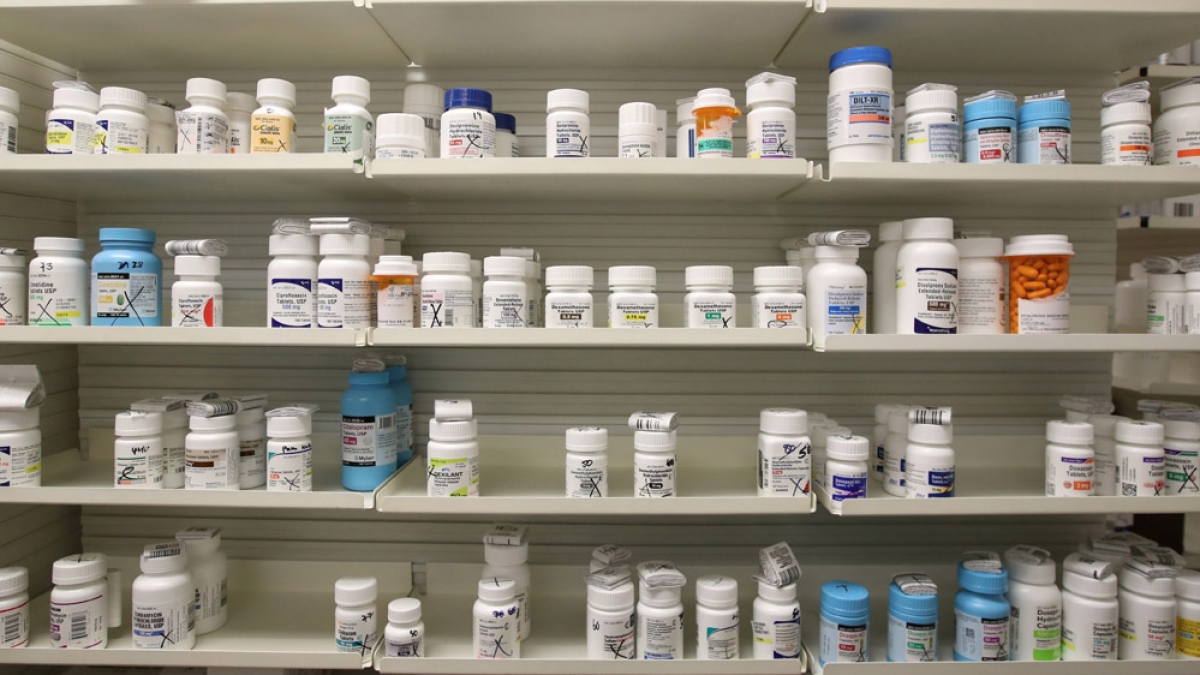
The ongoing conflict between the United States and Israel against Iran has precipitated a sharp escalation in the global cost of medicines and contraceptives. According to reports from Al Jazeera, the crisis stems from two primary vectors: disruptions to oil and gas supplies essential for petrochemical feedstocks, and severe air logistics issues caused by airspace closures and fuel shortages.
In the United Kingdom, over-the-counter drug prices have risen by between 20 and 30 per cent, with the common painkiller paracetamol seeing its costs more than quadruple. The situation is even more acute in India, where chemists are reporting price increases for common painkillers of up to 96 per cent. These spikes are attributed to the blocking of the Strait of Hormuz, through which 20 per cent of global oil and liquefied natural gas supplies pass, alongside the rerouting of critical cargo flows.
Frederic Schneider, a nonresident senior fellow at the Middle East Council on Global Affairs, noted that pharmaceuticals rely heavily on petrochemical feedstocks sourced through the Persian Gulf. He explained that logistics routes between East Asia and Europe, which often utilise transhipment stops in the Gulf such as Dubai, have been particularly fragile. The war has disrupted these pathways, forcing airlines to cancel flights or reroute cargo, thereby breaking the unbroken cold chain required for many life-saving drugs.
Wouter Dewulf, a professor at the University of Antwerp specialising in pharma logistics, highlighted that approximately 35 per cent of pharmaceuticals move by air, with 90 per cent of critical life-saving drugs and vaccines relying on this method. He estimated that 22 per cent of global air cargo flows are now exposed to Middle East disruptions. Consequently, the immediate global effect is characterised by delays, rerouting, and higher costs rather than a worldwide physical shortage of physical stock.
The disparity in impact between regions remains stark. Nations such as the United States and China possess domestic hydrocarbon supplies or alternative sourcing options that insulate them from immediate vulnerability. Conversely, India, despite being a major producer, depends on Gulf supplies, while sub-Saharan African nations and those in active humanitarian crises like Sudan, Yemen, and Palestine lack the financial resilience to absorb these price shocks.
While the European Union has implemented a solidarity mechanism requiring stockpiles of two to 10 months' worth of medicines, many Global South countries have few or no reserves. Experts caution that the financial strain on import-dependent markets, particularly in the Gulf where hubs like Doha and Abu Dhabi have seen flights rerouted, could lead to acute shortages for cold-chain and cancer medicines if the situation deteriorates further.