Cognitive War Injuries: Gaza Children Face Rising Cases of Trauma-Induced Speech Loss
Experts warn that the absence of safety and damaged rehabilitation equipment are exacerbating long-term developmental impacts on an estimated one million children requiring urgent mental health support.
Specialists at Gaza City's Hamad Hospital have reported a significant increase in cases where children lose the ability to speak following war-related trauma and physical injuries. This growing phenomenon, described by experts as "silent suffering" and "cognitive war injuries," involves conditions such as selective mutism and hysterical aphonia, where the loss of voice is linked to extreme psychological distress rather than physical damage to the vocal cords.
The scale of this crisis is attributed to an environment defined by a complete lack of safety, with an estimated one million children in Gaza requiring urgent mental health support. Child psychotherapist Katrin Glatz Brubakk, who has worked with Doctors Without Borders, notes that the nervous system often enters a "freeze response" under acute danger, suppressing the systems responsible for learning and emotional regulation. This state keeps the brain in a constant survival mode, preventing normal development even when a child appears shut down.
Specific instances highlight the varied causes of this silence, ranging from direct blast trauma to the collapse of infrastructure. Five-year-old Jad Zohud lost his ability to speak after intense bombardment near his home, while four-year-old Lucine Tamboura lost her voice following a fall from a third-floor window when a staircase collapsed during an air strike. In both cases, the loss of speech occurred alongside or after physical injuries, yet the inability to communicate persists independently of the physical recovery of limbs or other body parts.
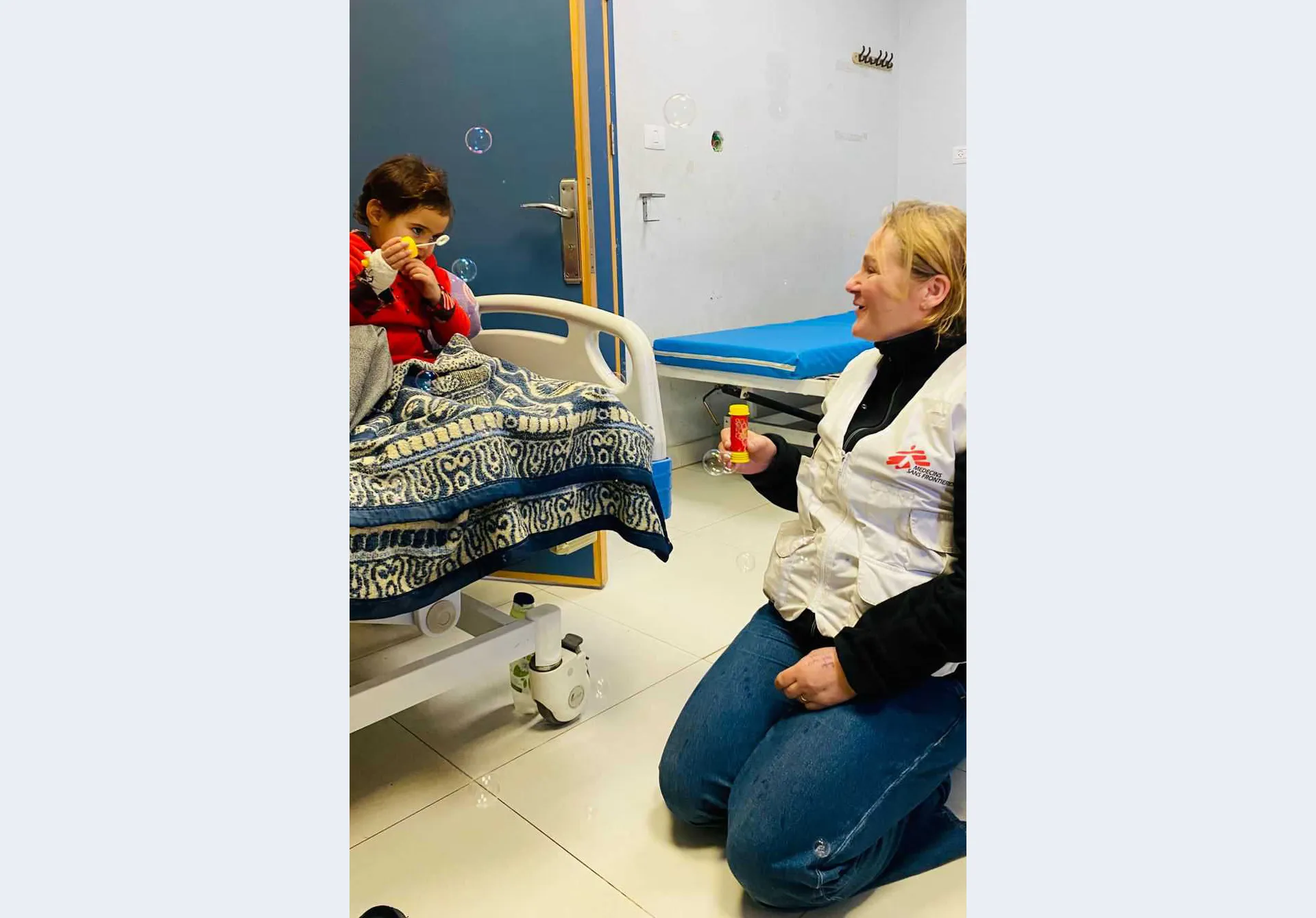
The therapeutic response to these injuries has been severely hampered by the destruction of essential services. Dr Musa al-Khorti, head of the speech department at Hamad Hospital, stated that specialised tools and rehabilitation equipment required for long-term recovery have been damaged or lost during the conflict. Consequently, experts are relying on improvised methods, such as using soap bubbles known as "hope bubbles," to help children regulate their breath and shift their attention from fear to curiosity.
Recovery from trauma-induced mutism is described as a slow and fragile process that rarely occurs through sudden breakthroughs. Instead, progress manifests in small fragments, such as faint whispers or brief eye contact, before a child gradually finds their voice again. This trajectory underscores the severity of the psychological impact, where the absence of safety and the inability to access sustained care trap children in environments where they cannot escape the threat.
The collapse of healthcare services and the pervasive danger exacerbate the long-term developmental impacts on this generation. Experts emphasise that even when so-called ceasefires are in place, the unpredictability of violence means there is no true safety, making the return to normalcy and communication an arduous path for children across the enclave.