China's economic insulation from regional conflict: policy analysis
As the US and Israel's conflict with Iran triggers a historic energy crisis, analysis suggests China's reliance on coal and renewables, alongside a new diplomatic posture, has shielded its economy from the worst market shocks.
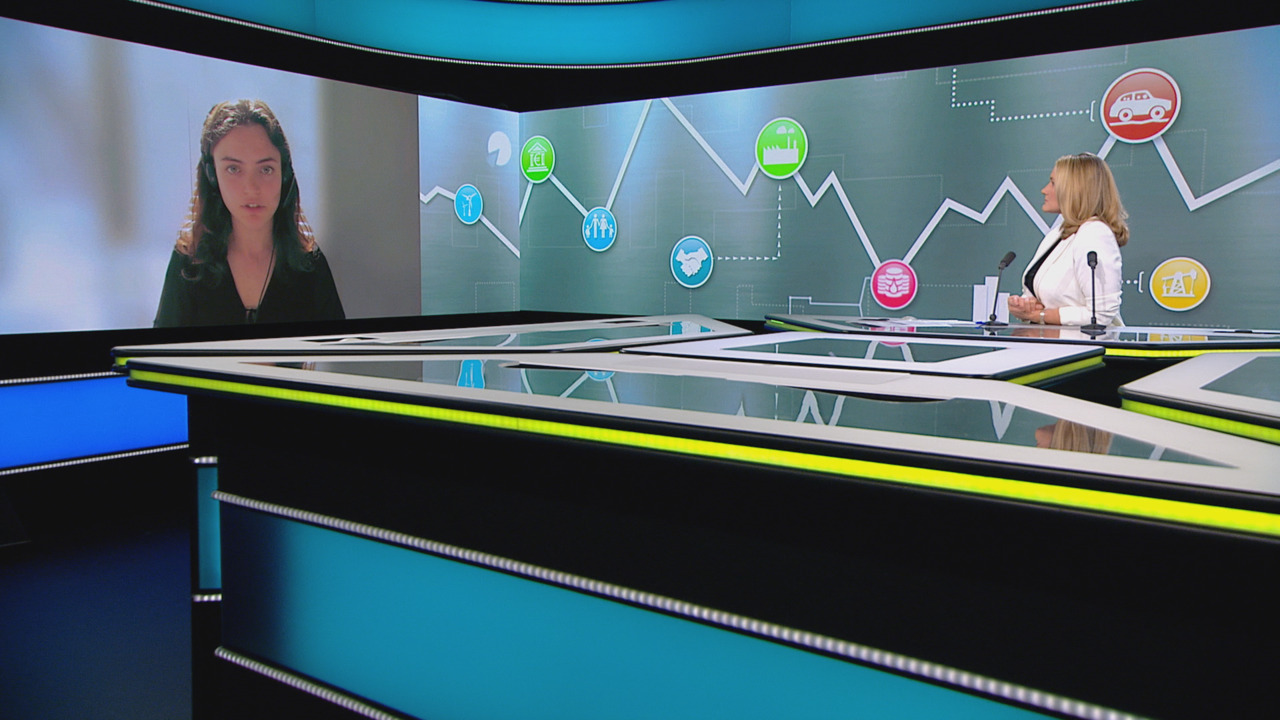
The ongoing conflict between the United States and Israel with Iran has precipitated the most severe global energy crisis in decades, sending shockwaves through international markets. Despite this widespread disruption, China's economy has appeared largely insulated from the most damaging effects of the fallout. Capital Economics senior economist Leah Fahy attributes this relative stability to Beijing's distinct energy portfolio, which differs significantly from the oil-dependent structures of many other nations.
According to Fahy, China's diverse energy mix acts as a primary cushion against global price volatility. Approximately 60 per cent of the nation's energy supply is derived from coal, supported by a rapidly expanding infrastructure for renewable energy. This structural composition means that, unlike countries heavily reliant on oil and natural gas, China experiences a much smaller shock to domestic energy prices when global markets fluctuate due to the war.
The crisis has simultaneously highlighted Beijing's dominance in the production of clean energy technologies, creating a potential avenue for economic growth. Analysts project that the surge in global demand for green alternatives, particularly electric vehicles, could add approximately one percentage point to China's export growth this year. This shift underscores how external geopolitical shocks can inadvertently bolster specific sectors where a nation holds a comparative advantage.
Beyond domestic energy dynamics, the geopolitical landscape has shifted in ways that allow China to assume a more elevated global role. Fahy notes that the changing foreign policy approach under the Trump administration has opened a strategic door for Beijing. Chinese leadership, including President Xi Jinping, is increasingly positioning the nation as a global arbiter and negotiator, actively defending the principles of free trade.
This new diplomatic stance marks a notable departure from positions held by the Chinese leadership only a few years ago. By stepping into the role of a defender of open trade amidst the chaos, China is attempting to leverage its economic weight to influence international outcomes. The situation suggests that while the war disrupts energy flows, it also accelerates a reconfiguration of global trade roles.
However, the extent of this insulation remains subject to uncertainty. If the energy crisis deepens significantly or if domestic costs rise due to broader market volatility, the protective effect of the current energy mix could diminish. Furthermore, the projected boost to export growth from green technology must be viewed as an estimate that may not fully materialise as the geopolitical situation evolves.