Celestial Event Observed Across Africa as Partial Solar Eclipse Occurs
Correspondents in North and West Africa document the 13 August event, with Tunisia experiencing the highest degree of coverage in the region.
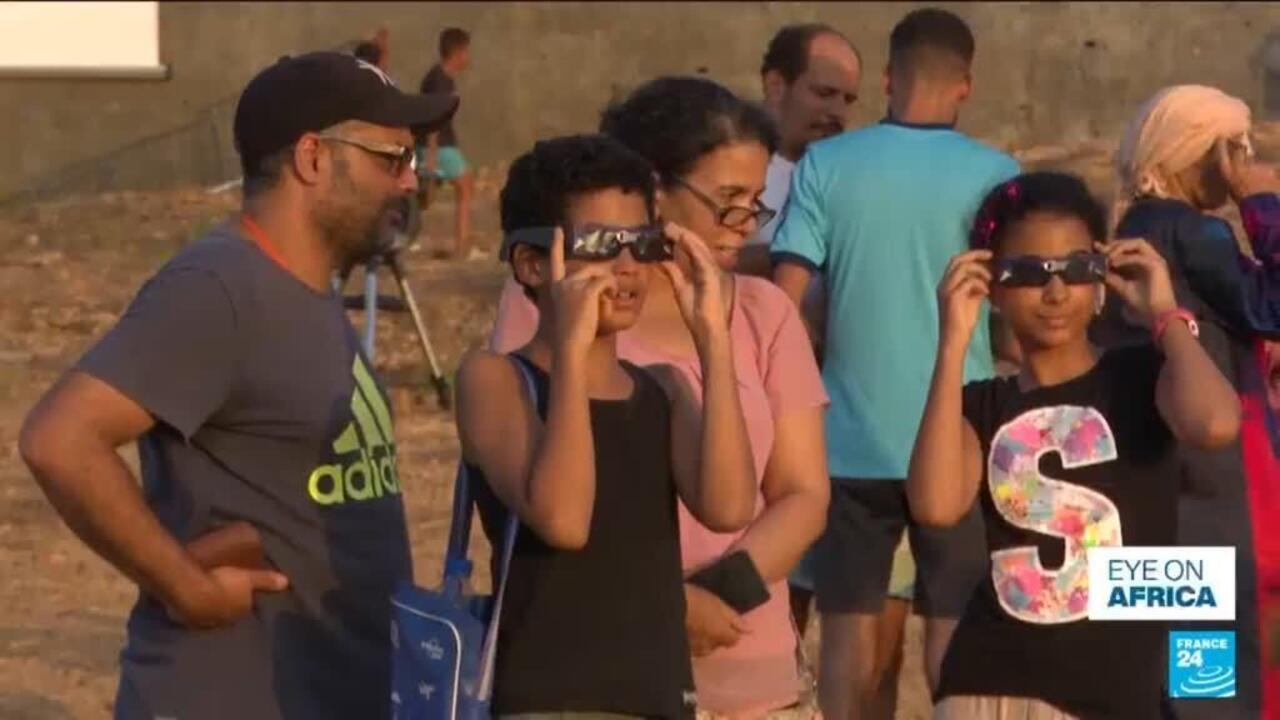
A partial solar eclipse was visible across parts of Africa on Wednesday, 13 August 2026, coinciding with widespread observations of the celestial event throughout Europe. According to reporting from France 24 International, the phenomenon was most pronounced in Tabarka, Tunisia, where observers recorded that 59.06 per cent of the Sun’s disk was obscured.
The eclipse was also observed in Dakar and several regions of Senegal. In these areas, the maximum obscuration of the Sun’s disk reached approximately 37 per cent towards the end of the day. Viewers in both Tunisia and Senegal utilised special eclipse glasses to safely observe the event, as reported by correspondents on the ground.
The African observations occurred simultaneously with a broader celestial event across Europe, where millions of people witnessed the eclipse. In Europe, the phenomenon was total in parts of Iceland and northern Spain, while much of the continent, including France and the United Kingdom, experienced a partial eclipse with more than 90 per cent of the Sun covered in many areas.
The event on 13 August 2026 marked a significant moment for astronomical observation across two continents. While the African experience was characterised by partial obscuration ranging from 37 to 59 per cent, European regions saw varying degrees of coverage, with some areas experiencing near-total blockage of sunlight.
Safety protocols were observed by viewers in the affected African regions, with special protective eyewear being used to view the celestial event. The simultaneous visibility of the eclipse across Africa and Europe highlighted the global nature of the astronomical occurrence, drawing attention to the Moon’s passage in front of the Sun.