Ceasefire extension announced as US military posture escalates across Middle East
Diplomatic optimism clashes with ongoing hostilities and surging oil prices as global markets retreat amid heightened regional tensions
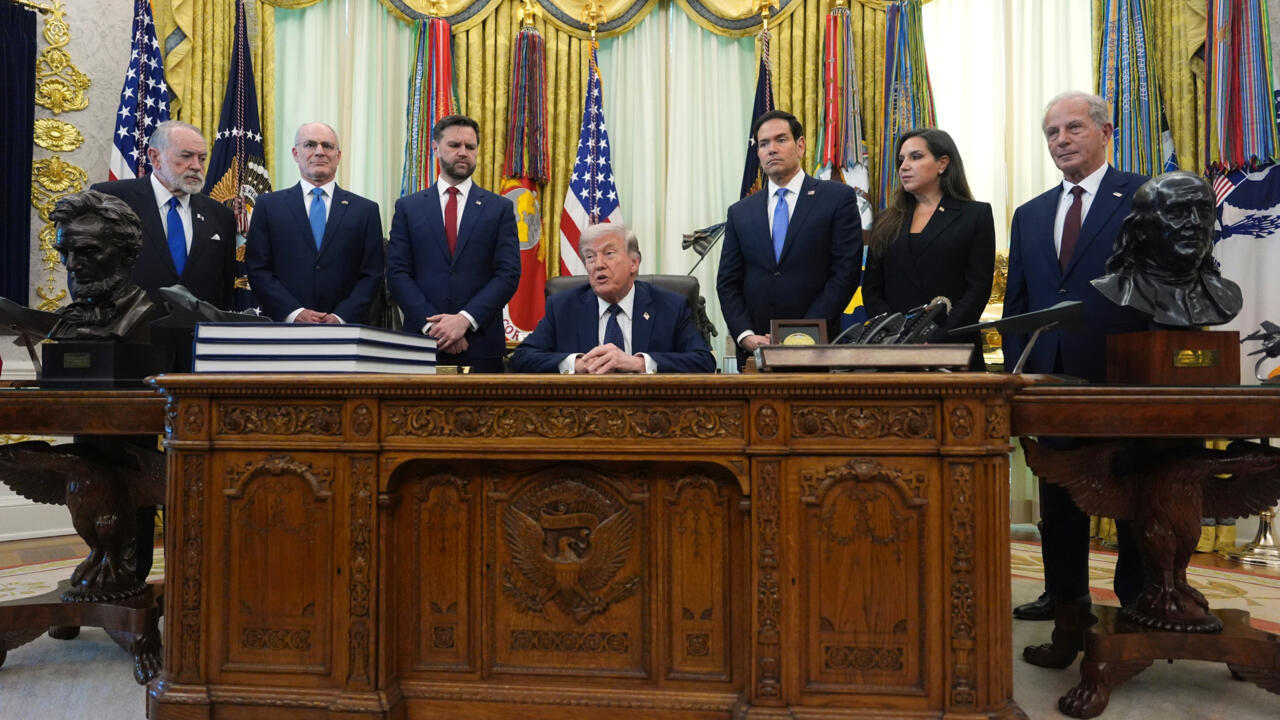
US President Donald Trump has announced a three-week extension to the ceasefire between Israel and Lebanon, a declaration made during a meeting with the respective ambassadors at the White House. While President Trump expressed hope for a permanent peace deal to be concluded later in the year, the extension arrives amidst continued sporadic fighting on the ground.
Despite the diplomatic pause, hostilities persist with the Iran-backed group Hezbollah firing rockets at northern Israel in response to alleged ceasefire violations. The militant group cited an Israeli strike on the town of Yater in southern Lebanon as a catalyst for their latest salvo, which targeted the Shtula settlement. Concurrently, the Israeli military confirmed the interception of several launches crossing from Lebanon into Israeli territory.
The regional instability has triggered a retreat in global financial markets, with investors reacting to the prospect of prolonged conflict. The benchmark international oil contract, Brent North Sea crude, rose above $100 a barrel, rekindling fears of pervasive inflation that could dent economic growth around the globe. Wall Street and major European and Asian indexes finished lower as investors tempered their enthusiasm for a quick resolution to the Middle East war.
Simultaneously, the United States has significantly escalated its military footprint in the region. The USS George H.W. Bush aircraft carrier has arrived in the Middle East, bringing the total number of US aircraft carriers operating in the area to three. The USS Gerald R. Ford remains in the Red Sea, while the USS Abraham Lincoln is also present, underscoring a robust US military posture.
Tensions regarding the wider conflict in Iran remain high, with Defence Minister Israel Katz stating that Israel is prepared to resume the war against Iran pending a green light from the United States. Katz indicated that Israeli targets have been marked, including key energy and electricity facilities, though the administration has not yet authorised further offensive action.
Amidst the geopolitical friction, Pope Leo XIV urged both the United States and Iran to return to talks, condemning capital punishment and calling for a culture of peace. Meanwhile, President Trump ruled out the use of a nuclear weapon against Iran, stating that such a device should never be allowed to be used by anybody, even as he noted that the clock is ticking for Tehran.