Cairo pivots to negotiated rules as Ethiopia advances three new Blue Nile dams
Following the inauguration of the Grand Ethiopian Renaissance Dam, Egypt is seeking to influence the design and operation of three proposed hydropower projects through diplomacy and cooperation with Sudan, rather than attempting to halt construction.
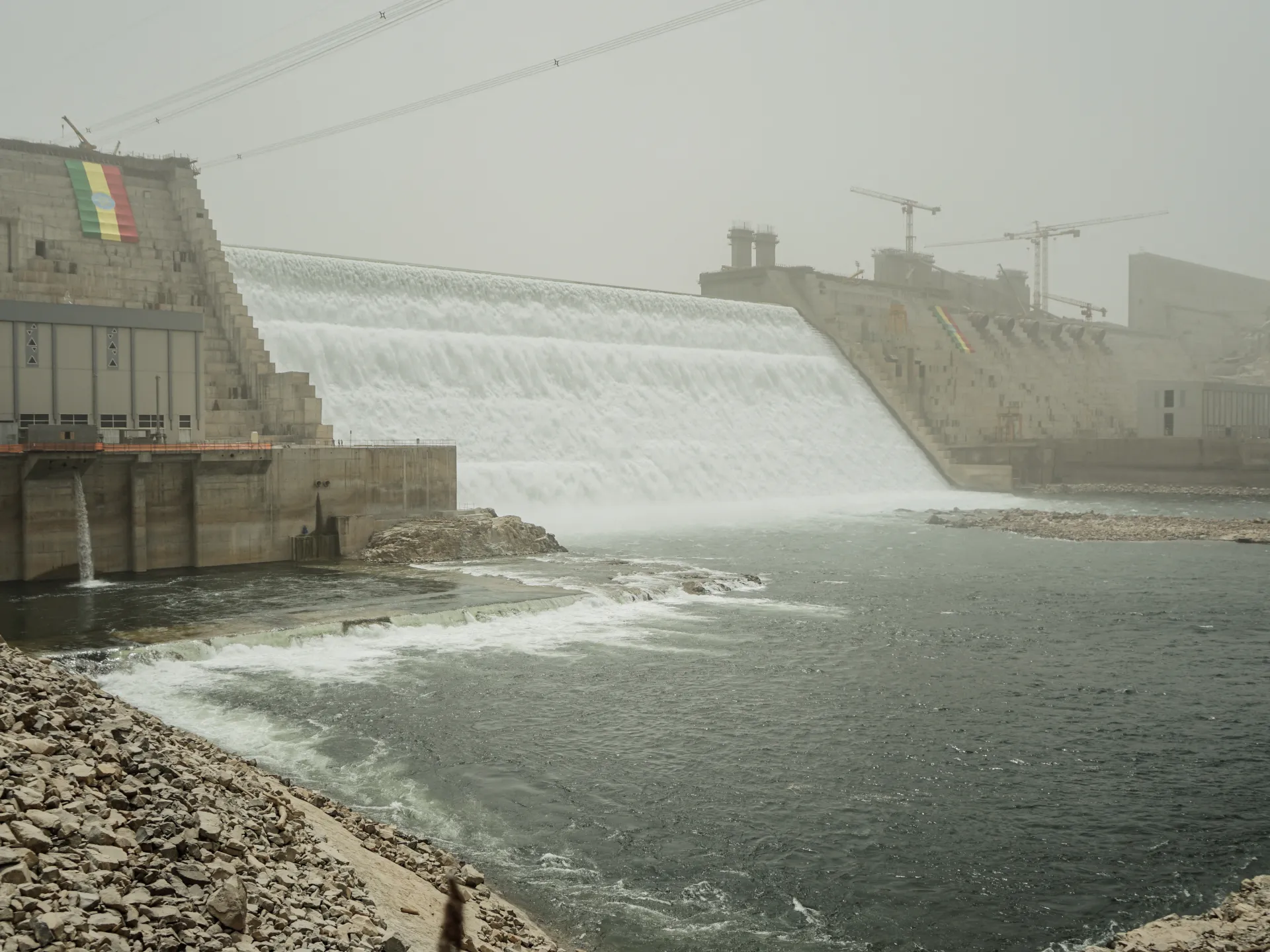
Egypt is pursuing a diplomatic strategy to shape the development of three newly proposed Blue Nile hydropower projects in Ethiopia: Karadobi, Mandaya, and Beko Abo. The move follows the recent inauguration of the Grand Ethiopian Renaissance Dam (GERD) in September 2025, a project that proceeded despite years of objections from Cairo. With a combined generating potential of approximately 5,700 megawatts, these new initiatives test Egypt’s ability to exert leverage over upstream water management.
The projects have been under discussion for some time, with a 2024 academic study based on Nile Basin Initiative work listing Karadobi and Beko Abo as potential alternatives in a three-dam configuration. However, the situation has shifted following an announcement by Ethiopia’s Water and Energy Ministry in March to advance the plans. While the specific figures and specifications may change as the projects remain at the planning stage, the combined capacity represents a significant addition to the region’s energy infrastructure.
Cairo’s current approach focuses on securing negotiated rules regarding dam operations, drought management, and information sharing. This marks a strategic shift away from attempts to stop single dams outright, acknowledging that diplomatic pressure alone may not prevent construction but can influence how the facilities are designed and operated. Egypt views the Nile as its primary source of freshwater, meaning any major upstream changes are assessed through the lens of national security, particularly during periods of drought.
Sudan plays a central role in this dynamic, positioned between Ethiopia and Egypt and directly affected by developments on the Blue Nile. However, Khartoum’s diplomatic capacity is constrained by its ongoing civil war. Sudanese governance expert Mekki Elmograbi noted that transparency from Ethiopia is the essential first step toward cooperation, stating that without sufficient information, it is difficult to determine whether the new projects will benefit or harm Sudan’s interests.
Ethiopian professor Ezekiel Gebissa, based at Kettering University in the United States, indicated that the consequences of the new projects would depend on their scale and purpose. He noted that smaller dams could generate electricity for local communities without significantly reducing water volume for downstream countries, whereas projects linked to large-scale irrigation would carry greater implications for Egypt and Sudan. The eventual impact will hinge on variables such as reservoir size, filling schedules, and whether the dams are used primarily for electricity generation or irrigation.
The dispute reflects differing priorities, with Ethiopia viewing the Blue Nile as a resource for development and energy security, while Egypt seeks guarantees over water flows. Horn of Africa analyst Abdiwahab Sheikh described Egypt’s leverage as “meaningful but limited,” suggesting that the path forward lies in negotiated rules rather than confrontation. He argued that a practical arrangement is possible if all parties accept transparent information exchange, advance notification, and adaptive dam-management rules.