Washington shifts to economic isolation strategy as US-Iran conflict enters stalemate
The United States has urged allies and China to join a new campaign to isolate Iran’s economy, with Treasury Secretary Scott Bessent suggesting maximum financial pressure could reduce the need for further military operations.
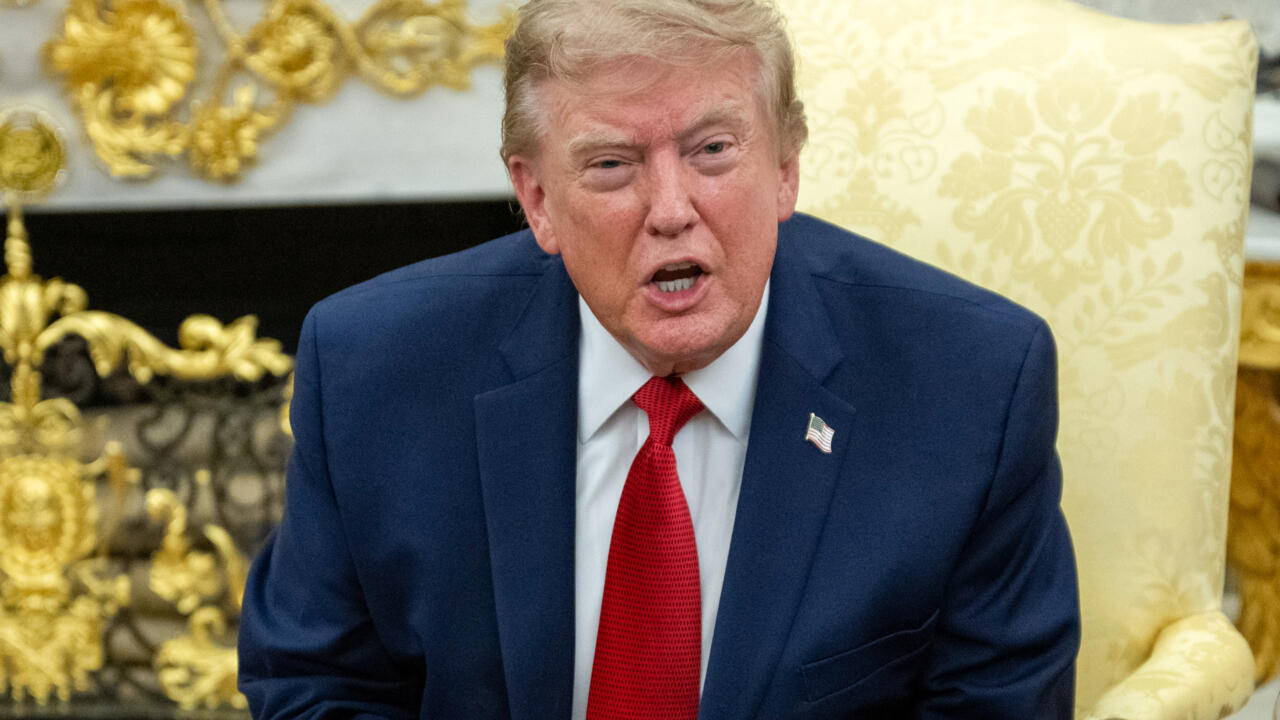
The United States has formally called on its allies and China to participate in a new initiative designed to isolate the Iranian economy, marking a significant shift in strategy as the conflict with Tehran enters a stalemate. President Donald Trump, facing growing domestic criticism and looming midterm elections, has vowed to "collapse this regime" in Tehran through what he described as the "most crushing" economic operation ever undertaken against any country.
US Treasury Secretary Scott Bessent reinforced the administration's position, stating that maximum economic pressure could reduce the likelihood of a large-scale return to kinetic military operations. Bessent warned that any remaining ties to Tehran would hasten a nation's economic oblivion, whether those ties were purposefully constructed or willfully ignored. He indicated that further details on the specific measures would be provided during a press conference on Monday.
Vice President JD Vance described the current situation as a new phase of the conflict, asserting that economic tools are now the most effective lever available to Washington. Vance noted that Iran is likely to apply reciprocal economic pressure, describing the dynamic as a delicate balance. While Bessent declined to specify the exact measures targeting China, he called on Beijing to "get with the programme," ahead of Chinese President Xi Jinping’s scheduled visit to the White House on September 24.
Tehran has reacted with sharp criticism, labelling the US threats as "economic terrorism." The Iranian foreign ministry accused Washington of committing crimes against humanity, arguing that the sanctions target the fundamental human rights of every Iranian citizen. Foreign Minister Abbas Araghchi further characterised the "Economic D-Day" campaign as a diversion from America's own domestic crises, including unprecedented debt and surging interest costs.
The diplomatic push comes as the US continues to bolster its military presence in the region. A new aircraft carrier strike group, led by the USS George Washington, arrived in the Middle East on Wednesday to replace the USS Abraham Lincoln, which had faced reports of poor conditions during its deployment. Meanwhile, the US approved a potential $4.5 billion sale of refuelling aircraft to Qatar, a key mediator in the ongoing conflict.
Despite years of damaging sanctions and a US-enforced naval blockade in the Gulf, Iran has maintained oil exports, with China remaining its largest buyer. Tehran continues to operate a shadow fleet of tankers, all of which are under international sanctions, while keeping the Strait of Hormuz partially shut. The US also announced new measures targeting Hezbollah's financing network in Lebanon, highlighting its close ties with Iran's Revolutionary Guards.