Bolivia clears $1.9bn IMF loan as political landscape shifts
The legislative approval marks a significant institutional pivot, requiring austerity measures to address fiscal deficits while trade unions warn of renewed social unrest.
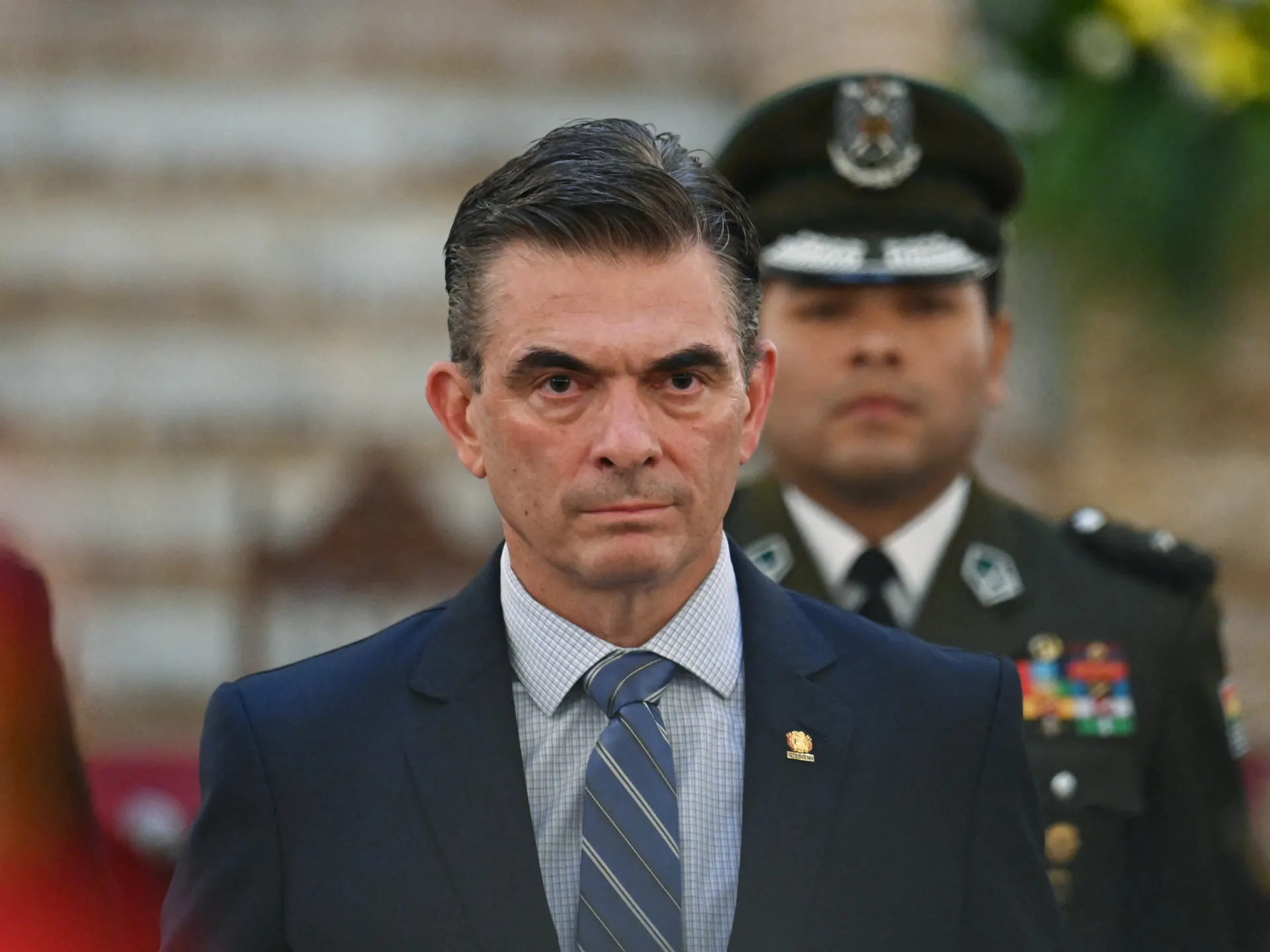
Bolivia’s Congress has approved a $1.9bn loan from the International Monetary Fund, a legislative victory for President Rodrigo Paz that underscores a shifting political alignment in La Paz. The programme, which secured support from centrist and right-wing parties on Friday, represents the country’s first multi-year arrangement with the IMF since 2006. This approval follows the significant electoral decline of the long-ruling leftist MAS party, which was reduced to just two seats in the 130-seat lower house and none in the Senate.
The loan is designed to address a fiscal crisis driven by years of underinvestment in the natural gas sector, which has led to a collapse in production and a subsequent shortage of foreign currency. To maintain affordability, the government previously subsidised petrol and diesel to levels lower than those in Saudi Arabia, a strategy that drained foreign reserves and encouraged a black market for smuggled fuel. Under the new conditions, President Paz is required to rein in spending and continue cutting these subsidies, with plans to scrap the subsidy entirely by January.
President Paz, an ally of US President Donald Trump, described the vote as a "historic step" for Bolivia. He warned that difficult decisions lie ahead as the ongoing conflict in Iran pushes up global fuel costs, stating that international prices are forcing complex choices for the domestic economy. Officials indicate that the deal is expected to unlock approximately $5bn in additional financing from the World Bank and other lenders, providing critical liquidity to the state.
However, the path to finalisation is not without institutional hurdles. The loan still requires approval from the IMF’s Executive Board before any funds are released. This procedural step adds a layer of uncertainty to the timeline, particularly as the government seeks to implement the necessary austerity measures to stabilise its balance sheet.
Social tensions remain a key governance risk. The Bolivian Workers’ Central, the country’s main union federation, has denounced the plan, arguing that the cuts will push up living costs for struggling families. This warning comes in the wake of weeks of road blockades in June and July that paralysed much of the country as protesters demanded President Paz’s resignation.
In response to the ongoing unrest, Congress extended a state of emergency, originally declared to help clear blocked roads, for a further 90 days on Thursday. This extension highlights the delicate balance the government must strike between implementing structural economic reforms and maintaining public order during a period of significant political transition.