Glide bomb strike on Sumy apartment block kills two as Ukraine faces fresh diplomatic pressure
A Russian glide bomb struck a residential building in northern Ukraine, killing two people and injuring seven, while the European Union criticised Moscow’s recent parliamentary elections.
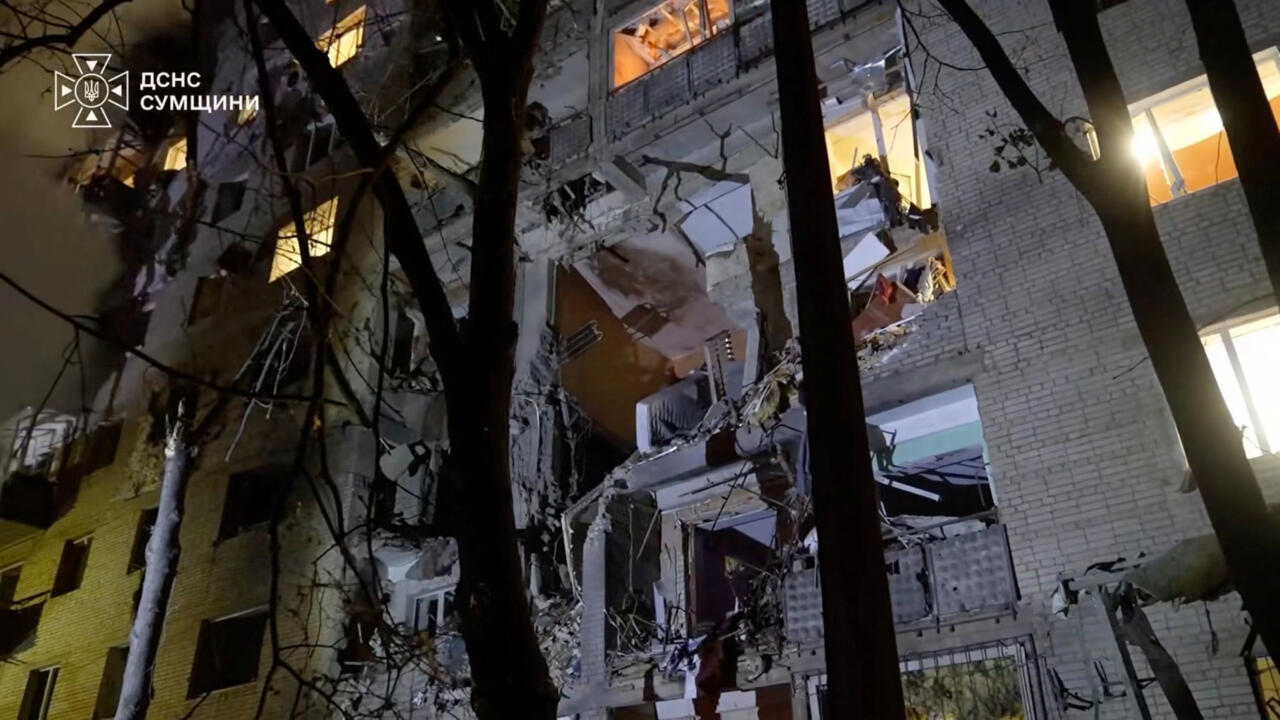
A Russian glide bomb struck an apartment building in the northern Ukrainian city of Sumy on Friday, killing two people and injuring seven, with three of the injured in serious condition, according to Regional Governor Oleh Hryhorov. The attack occurred late on Friday and left a gaping hole across three floors of the residential structure, as confirmed by images released by Ukraine’s state rescue service.
President Volodymyr Zelensky described the incident as an "absolutely inhuman strike," warning that residents may still be trapped under the rubble. The President noted that Russian forces had also targeted a clinic in the central city of Pavlohrad and a logistics centre outside Kyiv, although specific casualty figures for these locations had not yet been provided.
The strikes coincided with a separate morning drone attack in the Kyiv region, which injured five people, including three children. These incidents occurred against a backdrop of intensifying diplomatic scrutiny, with the European Union accusing the Kremlin of using repression to deprive voters of a "genuine choice" in Russia’s parliamentary elections.
The Russian election marked the first time residents of regions illegally annexed from Ukraine were included in the voting process, a move Kyiv officials denounced as an effort to cement Moscow’s gains. The full-scale invasion of Ukraine has now continued for more than four and a half years, with the conflict increasingly influencing political dynamics across Europe.
In response to the evolving security landscape, French President Emmanuel Macron ordered measures to protect France’s critical infrastructure and defence industry sites from what he termed "Russian hybrid attacks." This decision follows recent legislative activity in the United States, where the State Department approved a near $2.7 billion military sale to Ukraine for air defence-development upgrades and related equipment.
The US approval comes shortly after the House approved a bipartisan Russia sanctions bill, which authorises proposed tariffs on countries buying Russian oil. These economic and military developments highlight the growing institutional coordination between Western powers as they seek to sustain pressure on Moscow while supporting Ukraine’s defensive capabilities.