Biometric access to the Casa Rosada disabled for accredited journalists following espionage complaint
President Javier Milei's administration has restricted physical entry to the presidential palace by removing biometric verification for the press, citing a complaint from the Military Household regarding alleged espionage by two TN channel reporters
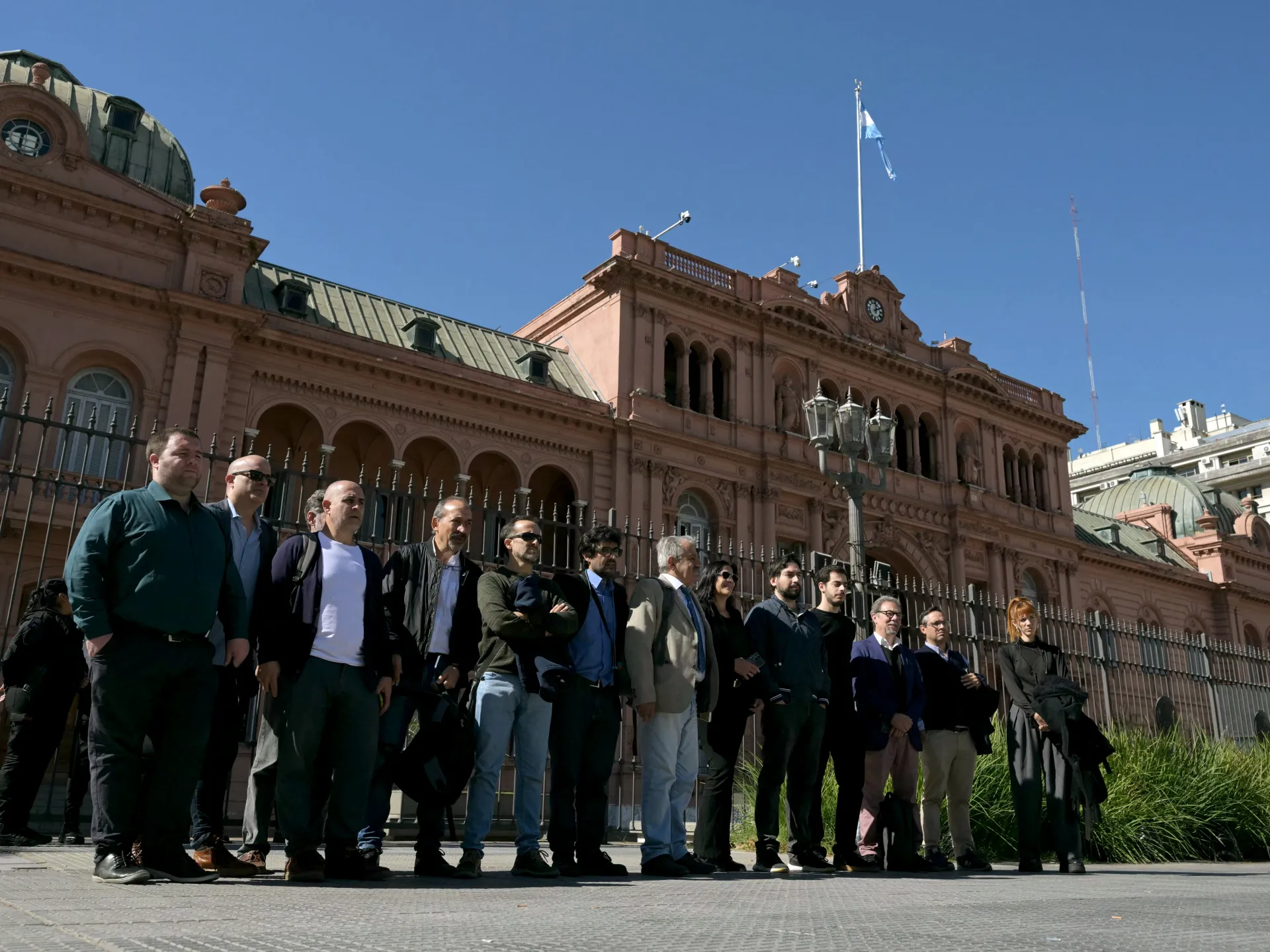
Accredited journalists attempting to enter the Casa Rosada on Thursday were blocked by the presidential palace's security systems after their fingerprint scans failed. The Secretariat of Communication and Press clarified that this disruption was not due to a revocation of press credentials but rather a deliberate administrative decision to disable the biometric scanners. Secretary Javier Lanari stated on social media that the removal of journalists' fingerprints was a preventive measure necessitated by a formal complaint filed by the Military Household concerning alleged illegal espionage.
The security restriction follows a specific incident involving two journalists from the TN channel, who were accused of secretly filming restricted areas within the government palace. The administration contends that the footage broadcast by the channel endangered national security by revealing parts of the Casa Rosada that were deemed off-limits. In response to the incident, President Javier Milei publicly denounced the broader press corps, referring to the majority of journalists as "repugnant trash" and challenging them to defend the actions of the two accused reporters.
Critics have condemned the ban as a significant escalation in the administration's hostility toward the media. Lawmaker Marcela Pagano, a former journalist, filed a criminal complaint against the President, arguing that the head of state lacks the legal authority to unilaterally decide press access to the presidential palace. Pagano characterised the move as an unprecedented attack on press freedom since the return of democracy in 1983, warning that prohibiting journalists from exercising their right to access information is the first step toward silencing dissenting voices.
International observers have noted a sharp decline in press freedom under the current administration. Reporters Without Borders and PEN International have highlighted a serious deterioration in free-speech rights, pointing to a series of policies implemented since Milei took office in 2023. These measures include capping entry to specific rooms, dismantling public media outlets, and restricting access to government documents, alongside the installation of a mute button during press conferences to silence reporters.
Despite the operational restrictions, the Secretariat of Communication and Press maintained that the sole objective of the action is to guarantee national security. The administration insists that the press accreditation remains valid, even though the biometric verification method required for entry has been temporarily suspended pending the resolution of the espionage allegations. This development marks the latest chapter in an ongoing feud between the Milei government and the country's news media.