Beirut Shelter Hits Capacity as Sudanese Displacement Crisis Deepens
With Lebanon’s migrant population exceeding 164,000, families fleeing conflict in Sudan and Lebanon face precarious legal status, limited healthcare access, and the threat of deportation.
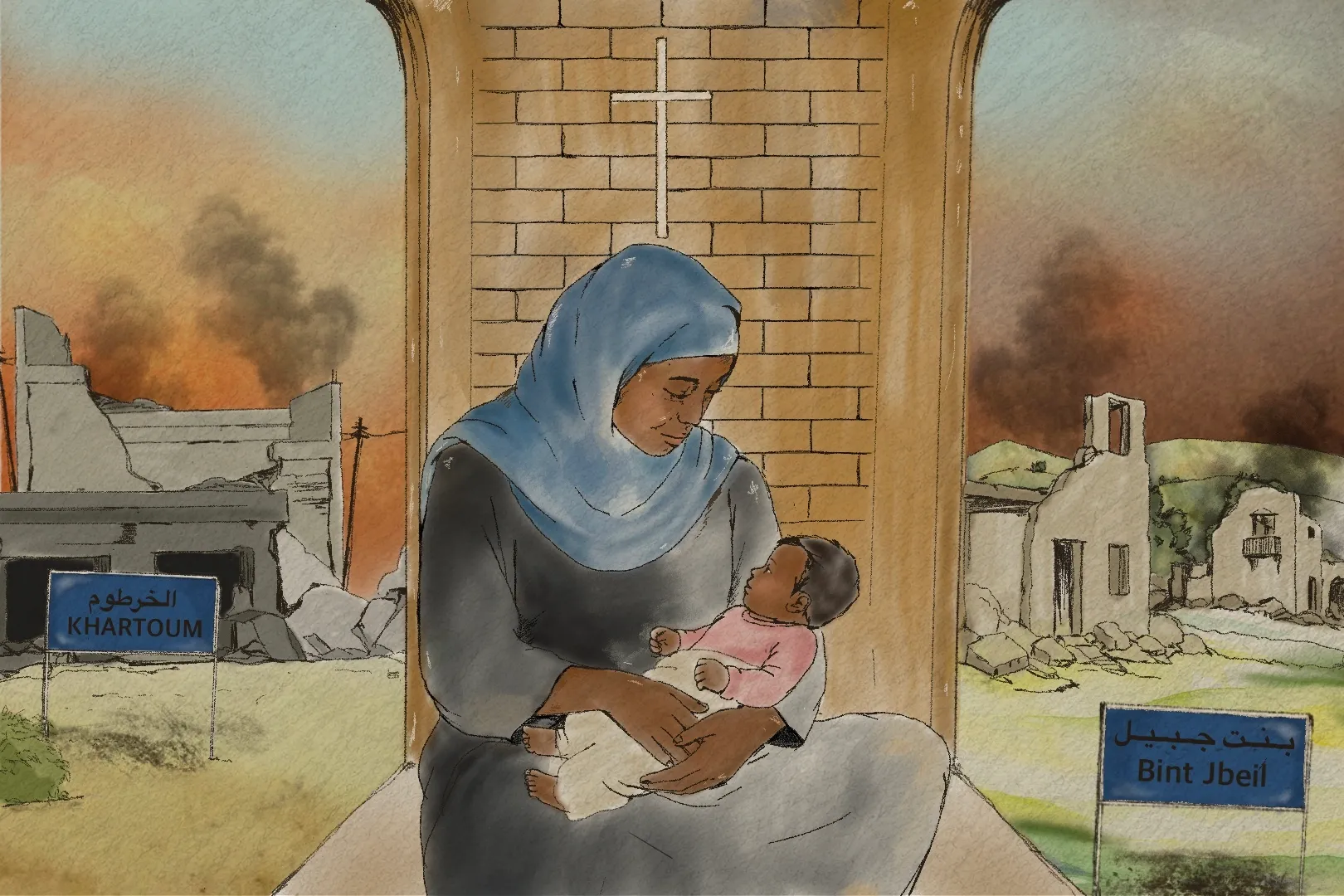
St Joseph Church in central Beirut has reached its capacity of 250 displaced migrants, marking a critical juncture in the humanitarian response to the renewed conflict between Hezbollah and Israel. Since hostilities escalated on March 2, 2026, the Jesuit-run facility has served as a primary shelter for Sudanese nationals and other migrant workers, many of whom are fleeing the dual trauma of civil war in Sudan and airstrikes in Lebanon. Father Michael Petro, who leads the parish, confirmed that the church has turned away more than 100 people in recent days, describing the situation as a disaster as supplies dwindle and tensions among residents rise.
The demographic profile of those seeking refuge highlights the scale of displacement within Lebanon’s migrant community. Figures published by the International Organization for Migration (IOM) in August 2025 recorded 164,097 migrants in the country, including 14,854 Sudanese nationals. Among them are families like that of Rufaida and Mohammad, who fled Khartoum after their home was destroyed in Sudan’s civil war. After arriving in Beirut on an expired tourist visa, they lived in Bint Jbeil until an airstrike destroyed their residence. They joined approximately 250 displaced migrants at St Joseph Church, where they now navigate crowded conditions and limited resources.
Legal precarity remains a dominant concern for residents, with many facing the risk of deportation due to expired visas or insufficient documentation. Rufaida, who spent three months navigating conflict zones to obtain travel documents, now lives in fear of being returned to Sudan. Similarly, Roudaina Mustafa, a registered refugee with four children, faces deportation threats because her passport has expired and the Sudanese embassy has refused to renew it. Her husband, who escaped military conscription and imprisonment in 2008, cannot safely return to Sudan, leaving the family in a state of indefinite limbo.
Access to essential services is severely restricted by both bureaucratic hurdles and discrimination. At Karatina Hospital, Rufaida reported being overlooked by doctors in favour of Lebanese patients until staff from the Jesuit Refugee Service (JRS) intervened. Through JRS and partner organisations, the costs of her pregnancy and caesarean delivery were covered, providing a rare instance of support in a system where many migrants face exclusion. Roudaina’s eldest daughter, diagnosed with Asperger’s syndrome, has also faced barriers, with the annual cost of specialised care rising from $2,000 to $6,000 and reports of racist abuse from other students at her education centre.
The broader context of this crisis is underscored by global resettlement trends that offer little hope for permanent solutions. UNHCR data indicates that fewer than 82,000 refugees were resettled worldwide in the previous year, despite nearly 2.9 million being identified as in need. Within Lebanon, UNHCR figures show that only about half of refugee children of primary school age are enrolled in school, with many barred from afternoon classes due to a lack of valid residency documents. As the church struggles to maintain operations, families like Rufaida’s continue to rely on the goodwill of humanitarian organisations while facing an uncertain future.