Bangladesh conducts first contested presidential election in 35 years
Parliamentary voting marks a procedural shift in Bangladesh’s post-uprising transition, though constitutional constraints limit the office’s executive power.
Bangladesh has held its first contested presidential election in 35 years, with 349 members of parliament voting to select the next head of state. The vote, conducted in the parliamentary chamber between 08:00 GMT and 11:00 GMT on Thursday, was triggered by the resignation of President Mohammed Shahabuddin. According to Bangladesh’s Election Commission, results are expected to be announced hours later.
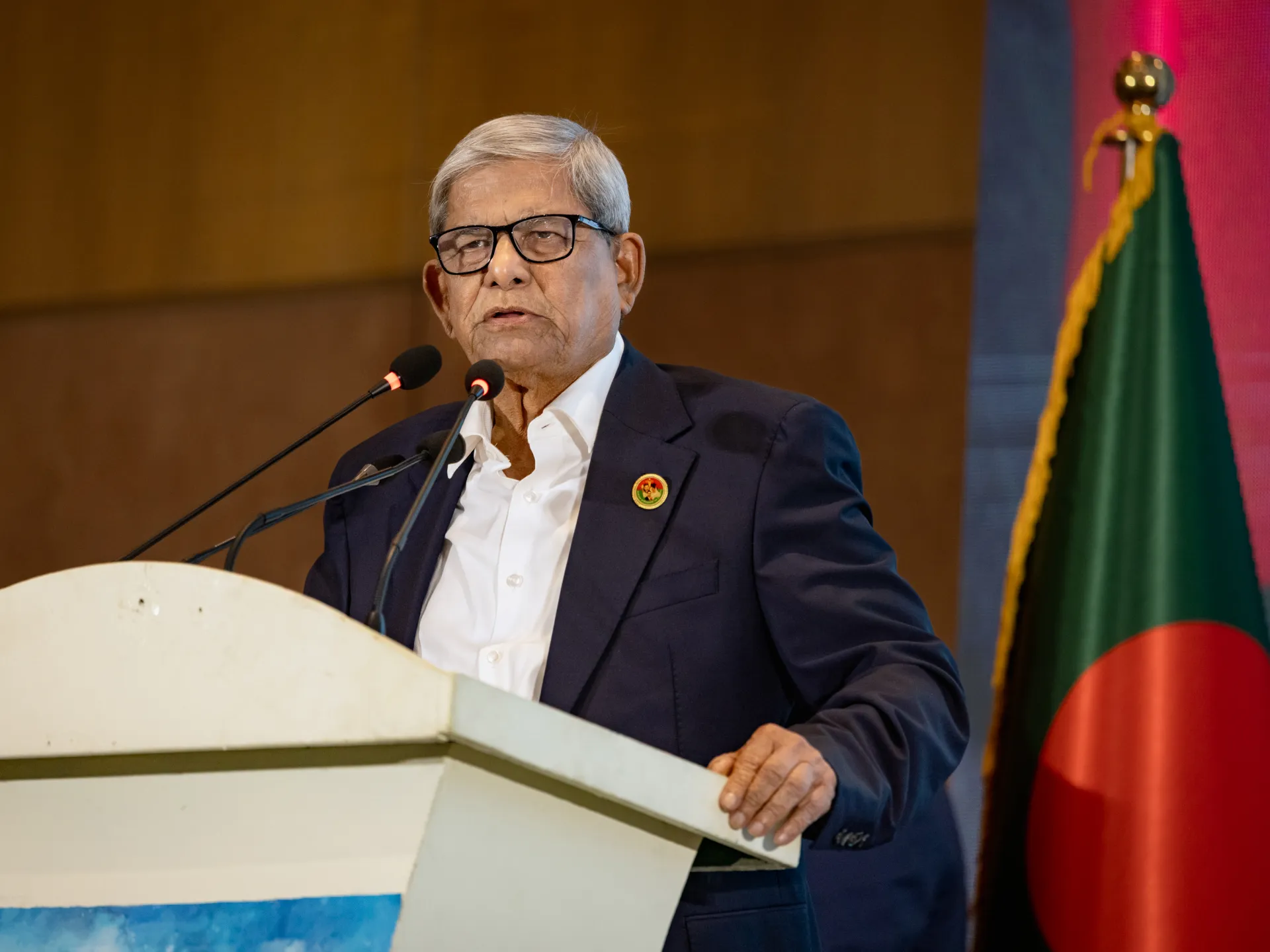
The election pits Mirza Fakhrul Islam Alamgir, the candidate of the ruling Bangladesh Nationalist Party (BNP), against Oli Ahmad, the nominee of the Jamaat-e-Islami-led 11-party opposition alliance. Alamgir, 78, serves as the BNP’s acting secretary-general and minister for local government, rural development and cooperatives. His opponent, 85-year-old retired Colonel Ahmad, is a six-time member of parliament and chairman of the Liberal Democratic Party.
The outcome is widely considered a foregone conclusion due to the BNP’s numerical majority in parliament. Of the 349 eligible lawmakers, 247 belong to the BNP, while the Jamaat-led opposition alliance holds 90 seats. This decisive advantage ensures that the presidency will be decided through a formal vote rather than remaining uncontested, a practice that persisted from 1991 until the resignation of Shahabuddin, who was elected unopposed in 2023 as a nominee of the ousted Awami League.
Despite the predictable result, the election is viewed as symbolically significant for the country’s political transition following the 2024 uprising that ended the 15-year rule of former Prime Minister Sheikh Hasina. The vote follows a period of interim administration under Muhammad Yunus and the BNP’s return to power in February 2024. The event marks a rare moment in Bangladeshi politics, as lawmakers have had two names on the ballot for the first time in more than three decades.
Constitutional experts note that the presidency remains a largely ceremonial role. Article 48(3) of the constitution requires the president to act on the prime minister’s advice, except in the specific cases of appointing the prime minister and the chief justice. Ali Riaz, a political scientist and former co-chair of the National Consensus Commission, described the election as more of a ritual than a substantive shift in governance, citing the limited powers of the office.
The vote has also revived debates over Article 70 of the constitution, which can cost lawmakers their parliamentary seats for voting against their party. Questions remain as to whether this provision should apply to presidential elections, with some arguing that MPs should be free to vote for the candidate they believe is best for the country. Meanwhile, the July National Charter on key reforms, ratified in this year’s election, proposed that the president be elected by members of both houses of parliament, though the plan for an upper chamber has not yet been implemented.