ANC support erodes ahead of November local elections amid service delivery failures
Voter frustration over anti-migrant violence, economic stagnation, and corruption is driving a shift away from the ruling party, with analysts predicting a fragmented political landscape and complex coalition dynamics.
Support for South Africa’s ruling African National Congress (ANC) is declining significantly ahead of the 4 November local elections, driven by a combination of anti-migrant violence, economic stagnation, and persistent corruption allegations. The political landscape is shifting as voters express deep frustration over the lack of public services, inadequate infrastructure, and entrenched poverty, issues that have defined daily life in many communities.
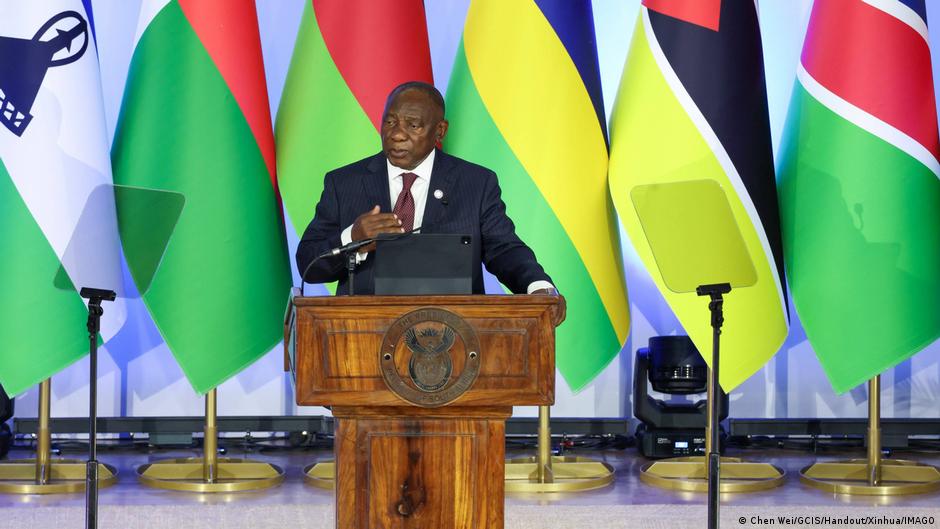
The recent wave of violence targeting foreign nationals has claimed several lives since April and forced more than 176,000 people to flee the country, primarily to Zimbabwe, Malawi, and Mozambique. At the Southern African Development Community (SADC) summit in Durban, President Cyril Ramaphosa expressed shame over the abuse of foreign nationals, while a vigilante group urged neighbouring governments to take their citizens back. Analysts view this surge in anti-migrant sentiment as a symptom of broader public discontent with the ANC’s failure to create jobs and improve living conditions.
Fredson Guilengue of the Rosa Luxemburg Foundation notes that the ANC is on course to perform worse than in the 2024 general election, where it suffered a historic setback by winning 40.2% of the vote. He argues that little has changed for the better since that election, with unemployment, crime, and corruption remaining high. The widespread mismanagement of municipalities governed by the ANC, alongside a steady deterioration of infrastructure, has generated enormous public anger.
Voters are expected to turn to opposition parties, including the Democratic Alliance (DA), which has been part of a government of national unity with the ANC since 2024. In a notable move, former Cape Town mayor Helen Zille has been nominated as the DA’s mayoral candidate in Johannesburg, aiming to address the economic crisis in the country’s financial hub. Guilengue suggests that Zille’s strong campaign could benefit the DA and further erode ANC support.
The ANC also faces internal challenges, including suspended impeachment proceedings against President Ramaphosa, which have damaged his public image. Ramaphosa has denied wrongdoing regarding the 2020 theft of US$580,000 from his Phala Phala game farm, claiming the funds were proceeds from the sale of buffaloes. Analysts suggest the ANC’s strategy is to delay these proceedings until after the 2029 general election, when Ramaphosa will be constitutionally ineligible to serve again.
Analyst Daniel Silke describes the current situation as a continuing turning point in South African politics, characterised by a stagnant economy, a shrinking manufacturing sector, and a lack of trust in political and security institutions. He predicts that voters will spread their support across multiple parties, including the DA, the MK Party, and ethnically aligned minority parties. This fragmentation is likely to lead to complex coalition governments, as no single party is expected to secure a majority, making the choice of coalition partners a critical determinant of South Africa’s future governance.