Al Jazeera report alleges Arakan Army responsible for Rohingya atrocities in Rakhine
A new investigation claims the rebel group controlling Rakhine State has subjected the Rohingya minority to forced conscription, trafficking, and targeted violence, complicating repatriation efforts by Bangladesh.
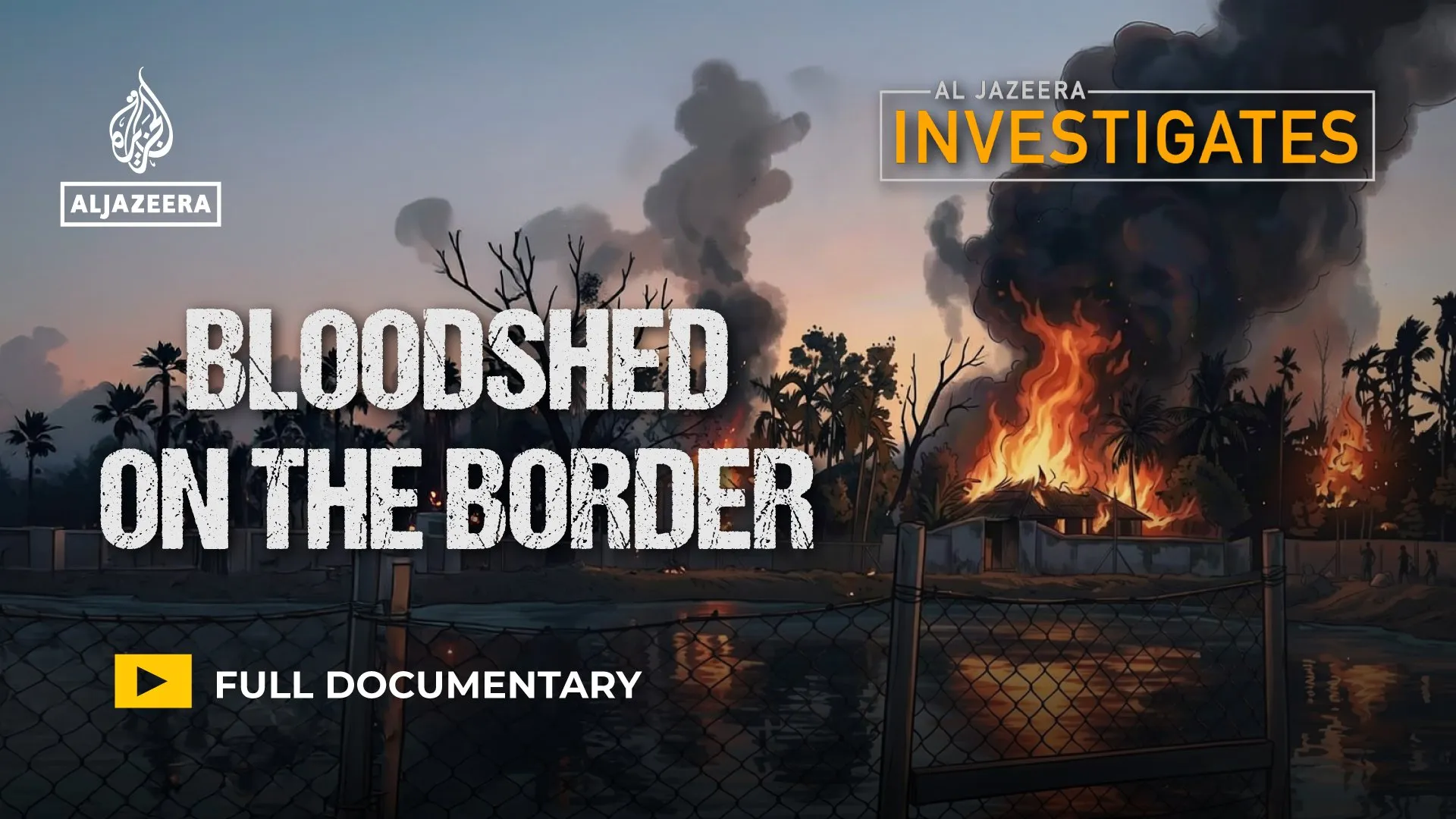
Al Jazeera has released a documentary investigation alleging that the Arakan Army, the dominant armed group in Myanmar’s Rakhine State, has committed severe atrocities against the Rohingya ethnic minority. The report, part of the broadcaster’s "Myanmar Exposed" series, claims the rebel group has subjected Rohingya civilians to forced conscription, targeted attacks, and massacres. It further alleges that the Arakan Army is linked to human trafficking networks that exploit Rohingya refugees, including young children and women subjected to sexual violence.
The investigation was produced in collaboration with human rights investigators from Myanmar Witness and Rohingya citizen journalists. It utilises leaked documents, covertly filmed footage, and exclusive interviews to examine the situation in Rakhine State, a region described as secretive and largely inaccessible. Witnesses cited in the report allege that the current violence from the Arakan Army is comparable in brutality to the 2017 military crackdown, which resulted in approximately one million Rohingya fleeing to Bangladesh.
Since the 2021 coup, more than 150,000 Rohingya have been displaced from their homes in Myanmar, adding to the existing refugee population in neighbouring Bangladesh. The conflict has created a complex humanitarian emergency, with the Rohingya caught between the ruling military government and various rebel factions. The report suggests that the Arakan Army’s control over the region has led to a significant escalation in violence against the Muslim minority.
The Myanmar military has responded to the allegations by issuing a written statement to Al Jazeera. In the statement, the military alleges that the Arakan Army is inciting hatred against Rohingya Muslims and has "reportedly committed acts of genocide" since taking control of much of the state. The military blames the rebel group for the deterioration of the situation and the displacement of civilians.
The Arakan Army declined to address the specific allegations raised in the film. However, its leaders have previously denied accusations of targeted attacks on civilians, including reports of two mass killings of Rohingya villagers in Rakhine. The group’s response highlights the ongoing dispute between the military and rebel factions over responsibility for the humanitarian crisis.
Bangladesh, which hosts a large number of Rohingya refugees, is seeking to repatriate them to Myanmar through a repatriation scheme. However, the process is complicated by increased activity from Rohingya armed groups aligned with the military government. The Arakan Rohingya Salvation Army (ARSA), one such group, denied burning civilian homes, harming villagers, or encouraging refugees to fight against the Arakan Army. The conflicting narratives from various armed groups underscore the difficulty in verifying the extent of violence in the region.