Australia to detain visa overstayers as immigration crackdown begins
Home Affairs Minister Tony Burke announced a return to detention for tourists and other individuals who overstay their visas, aiming to manage a population of roughly 77,000 people without valid status.
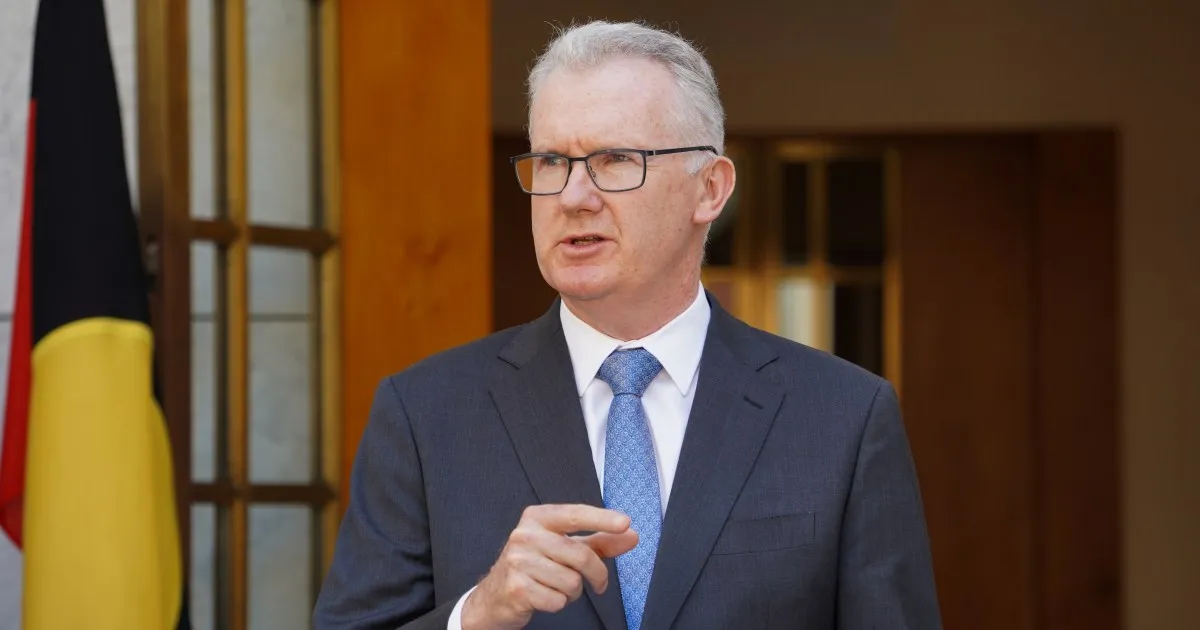
Home Affairs Minister Tony Burke has announced that Australia will resume the detention of visa overstayers, including tourists, as part of a broader crackdown on immigration compliance. Speaking at the National Press Club, Burke stated that the policy is designed to reintroduce consequences for those who remain in the country beyond their permitted period. The overstayer population has grown from approximately 64,000 in 2016 to more than 77,000 in 2026, despite a recent decline in net overseas migration.
To manage the increased caseload, the Australian Border Force will expand its workforce by adding 100 compliance officers. These officers will work to detain or encourage the departure of the estimated 77,000 individuals currently living in Australia without a valid visa. Burke noted that prior to 2015, Australia had a routine process where overstayers were detained for a few weeks before organising their own departure, a practice that had since lapsed.
The government plans to create 250 new detention beds to support the operation. While the specific location has not been confirmed, the minister indicated that a former quarantine facility in Melbourne could be utilised for the new capacity. Burke rejected comparisons to the United States’ Immigration and Customs Enforcement agency, describing the Australian approach as distinct from the operations seen in other countries.
Legislative changes will also target what Canberra describes as “visa hopping,” where individuals move between temporary visas to extend their stay. A new “No Further Stay” provision will prevent people arriving on tourist visas from lodging new applications once inside the country. Additionally, international students will be required to advance their qualifications when seeking a new study visa, limiting the ability to move between low-level courses to prolong their stay.
Separate legislation is proposed to address what Burke termed “disingenuous” asylum claims used to prolong stays in the country. The details and timeline for this specific legislation have not yet been finalised. Burke said the measures are necessary to maintain the integrity of the visa system, which relies heavily on international students and working-holiday visa holders for economic activity.
Rights groups have raised concerns about the potential impact on vulnerable workers. The Human Rights Law Centre warned that the new measures could deter exploited undocumented workers from reporting abuse due to fear of detention. Meanwhile, the governing Labor Party has denied that the policy is a response to the rising popularity of the far-right One Nation Party, which has emerged as one of the country’s most popular parties in 2026.