Russia opens polls for first wartime parliamentary election
Voting has begun in Russia’s Far East for the State Duma, a process the Kremlin views as a mechanism to legitimise its war effort against Ukraine.
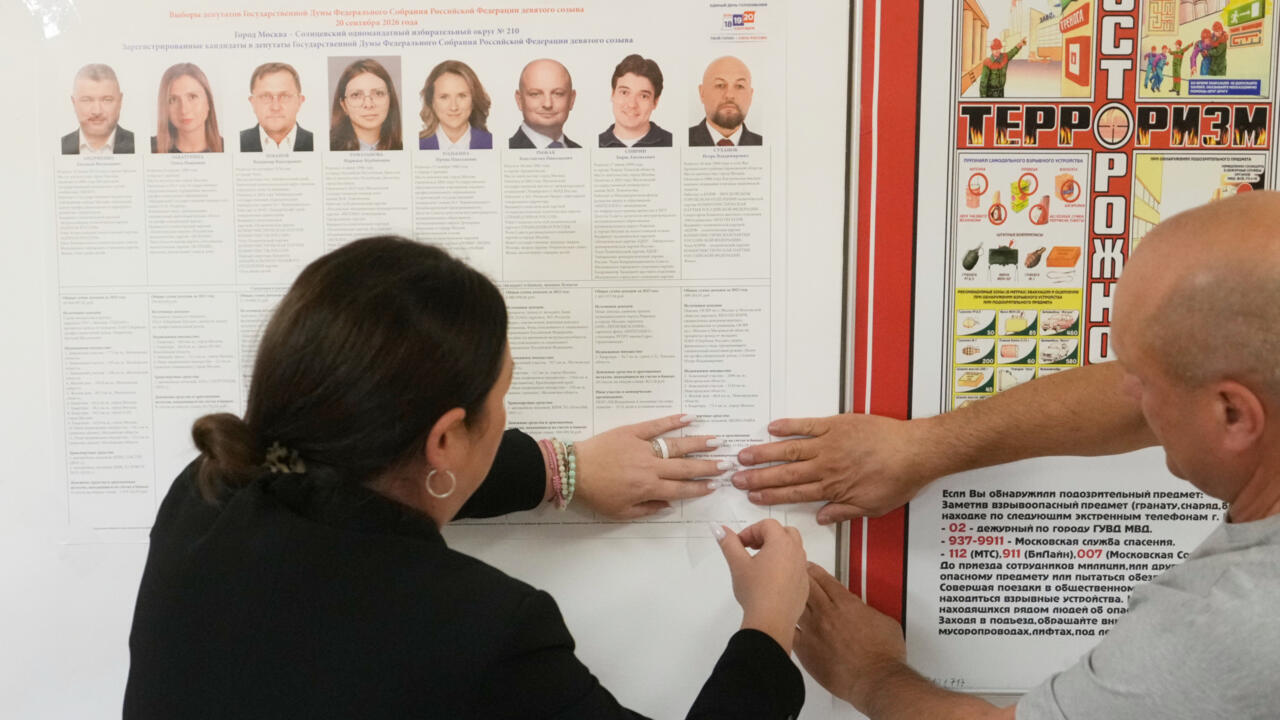
Polling stations opened in Russia’s Far East on Friday, commencing a three-day electoral period for the country’s lower house of parliament. This marks the first vote for the 450 seats in the State Duma since Moscow launched its full-scale invasion of Ukraine in 2022. The Kremlin-aligned United Russia party is expected to maintain its dominant position, a result that appears largely predetermined given the current political landscape.
The election is being conducted amidst significant domestic pressure, including economic stagnation and sustained drone strikes on Russian infrastructure. The only registered party to openly criticise the war, Yabloko, was removed from the ballot by the Supreme Court following an appeal from the nationalist Motherland party. This move effectively eliminated the primary source of organised dissent from the official contest.
For the first time, residents of four Ukrainian regions annexed by Moscow are included in the election, a move Ukraine has deemed illegal. The inclusion of these territories adds a layer of diplomatic complexity to the vote, which the Kremlin frames as a demonstration of national unity and support for its military campaign.
The political environment has been further tightened by the imprisonment or exile of several anti-war figures. Yabloko deputy chairman Maxim Kruglov was sentenced to seven years in prison, while member Lev Shlosberg received a sentence of over 11 years. Additionally, liberal politician Boris Nadezhdin, designated a “foreign agent,” left Russia last month to avoid potential imprisonment.
Analysts suggest the vote serves as a legitimising ritual intended to project mass consensus behind the Kremlin’s actions. While United Russia is set to retain control of the Duma, some reports indicate the Kremlin may allow the party’s share of the vote to slip slightly to align declared results with actual public sentiment. Other systemic opposition parties, including the Communist Party and the Liberal-Democratic Party, are expected to retain their parliamentary presence.
The election concludes at 18:00 GMT on Sunday. The outcome is viewed as a critical effort to mobilise public support for the ongoing conflict, even as approval ratings for President Vladimir Putin have dipped to 76 percent, down from 87 percent in September 2025, according to the independent Levada Center.