Sohar port emerges as critical hub for Gulf oil exports amid Hormuz blockade
Ship-to-ship transfers have surged by 56 per cent as Saudi Arabia, Kuwait and Qatar seek to bypass the Strait of Hormuz, raising questions over insurance liabilities and maritime safety.
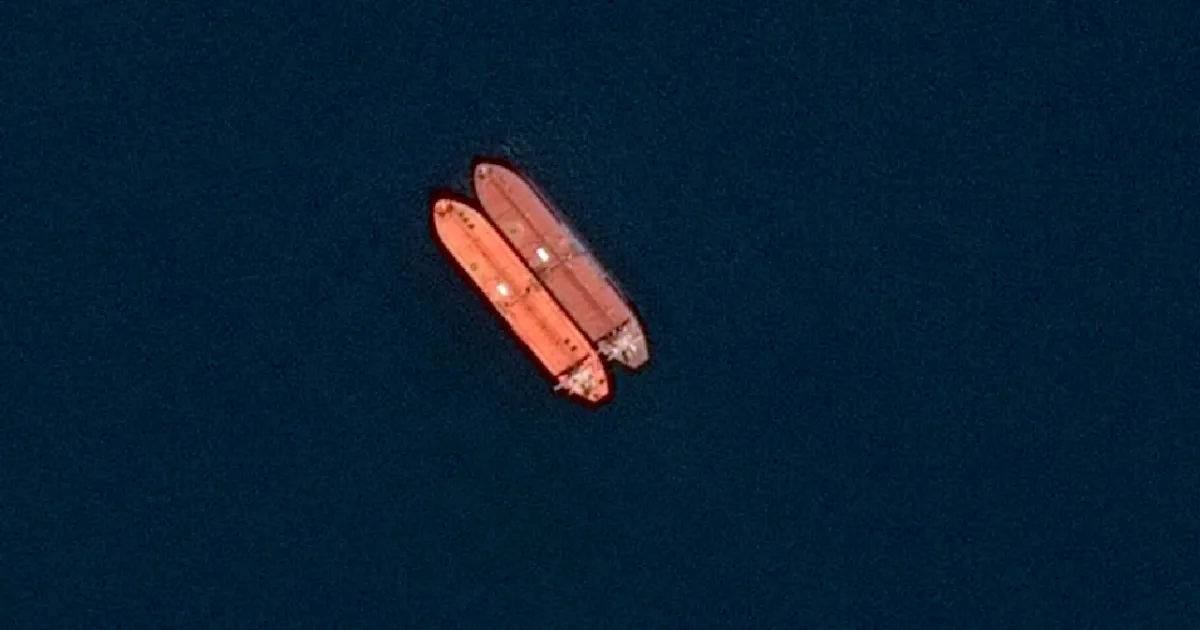
Oman’s Sohar port has become a central node for ship-to-ship oil transfers, a logistical workaround adopted by Gulf producers to maintain exports during the effective closure of the Strait of Hormuz. The shift follows the damage to Saudi Arabia’s East-West pipeline by Iran-aligned Houthis and the subsequent restriction of the strait by Iran, which has used the waterway as leverage in ongoing diplomatic talks.
According to Al Jazeera, the volume of these transfers has increased significantly, with independent trackers reporting a 56 per cent rise over the past month. Over the preceding 14 days, the exchange of crude reached 7.15 million barrels per day. This surge represents a strategic pivot for Riyadh, which previously relied on its 1,200km pipeline to Yanbu port on the Red Sea coast to circumvent the Gulf bottleneck.
The operational model involves transferring cargo directly between vessels at sea, often in waters just outside the strait. To maintain secrecy and avoid detection, tankers frequently switch off their Automatic Identification System (AIS) trackers. The US military has reportedly assisted in facilitating these secretive operations since early May, helping to keep Gulf energy exports flowing despite the volatile security environment.
Kuwait and Qatar have also been identified by independent trackers as utilising similar tactics to transit cargoes past the strait. The ports of Sohar and Fujairah in the United Arab Emirates serve as key staging areas, with Fujairah providing an open-ocean anchorage for energy exports. These locations are situated close to boundaries established by the Persian Gulf Strait Authority, a new Iranian body that has attacked ships using unauthorised routes.
However, experts warn that the reliance on unregulated ship-to-ship transfers introduces substantial risks. The process often involves ageing vessels with poor hull maintenance and uninspected hoses. Oscar Seikaly, CEO of the NSI Insurance Group, noted that these transfers are "particularly complicated" for traditional insurers, involving pollution, collision liabilities, and war-risk cover.
Consequently, a significant share of the risk remains with the producing countries rather than commercial insurers. Many national oil companies rely on sovereign-backed self-insurance arrangements, as insurers are unlikely to provide broad cover during high-risk disruptions. This institutional arrangement places the financial burden of potential maritime incidents directly on the state, complicating the governance of energy exports in a contested region.