Russia’s first post-invasion Duma election opens amid economic strain
Voters in Russia are heading to the polls for the first parliamentary election since the 2022 invasion of Ukraine, with the governing United Russia party expected to retain its dominant position despite a slowing economy and ongoing drone strikes.
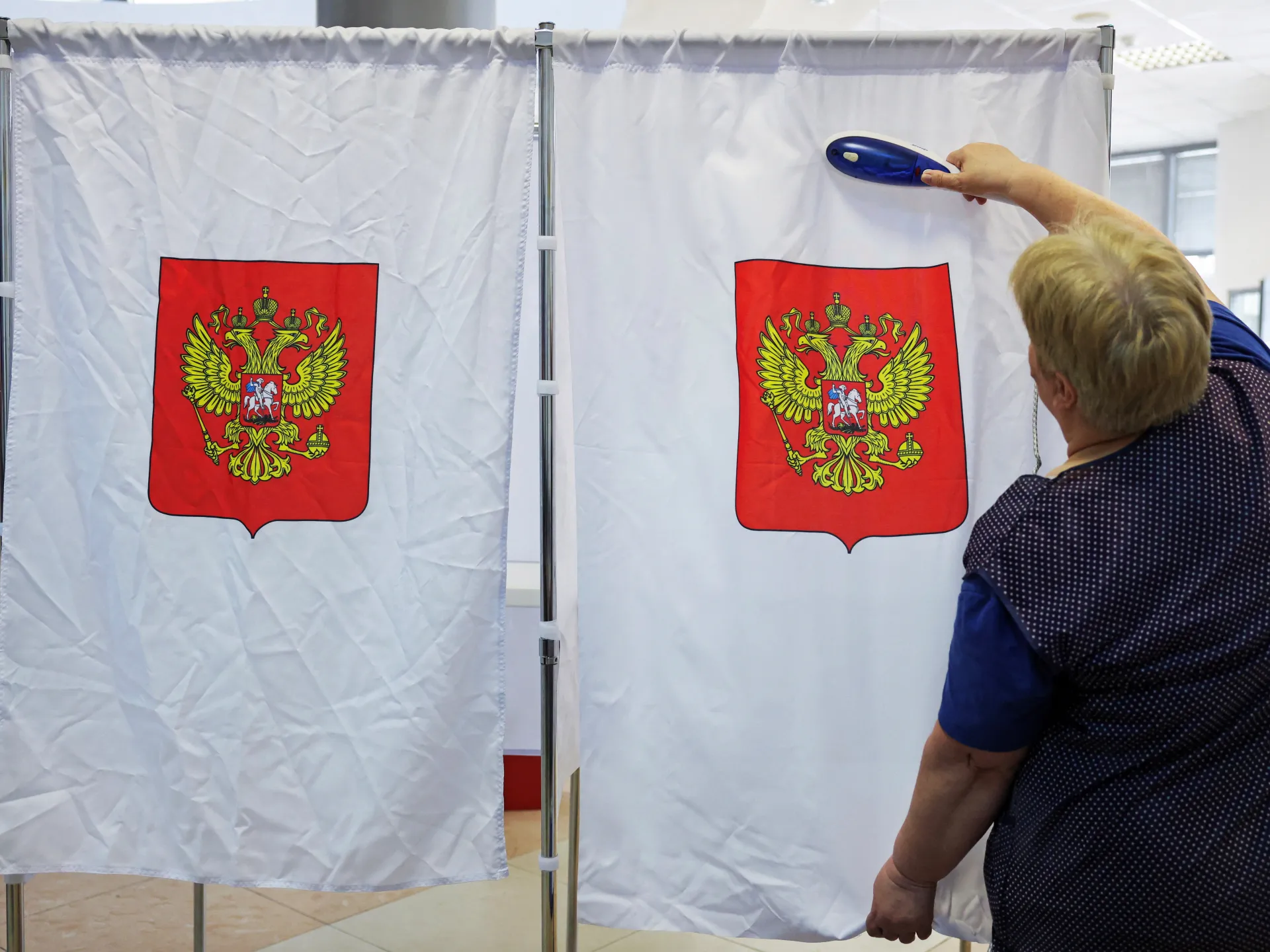
Russians are voting from Friday to Sunday to elect members of the State Duma, the lower house of the Russian parliament, in the first such election held since Moscow launched its full-scale invasion of Ukraine in 2022. The three-day voting period is designed to boost turnout among the 111 million eligible voters and includes electronic voting in areas Russia occupies in Ukraine. The election coincides with a slowing domestic economy and Ukrainian drone strikes on refineries and warehouses located far from the front line.
The governing United Russia party, which backs President Vladimir Putin, is expected to retain its dominant position in the legislature. Formed in 2001 from a merger of pro-Kremlin parties, United Russia has dominated parliament ever since, winning more than two-thirds of the Duma’s seats in the 2021 election. Half of the 450 seats are filled by party lists, while the other half are contested in single-ballot races. The party’s list is led by Foreign Minister Sergey Lavrov and Moscow Mayor Sergei Sobyanin, with war correspondent Yevgeny Poddubny, who was badly wounded by a Ukrainian drone, holding the third-highest ranking.
The composition of the ballot has drawn scrutiny from critics who argue the result is largely settled in advance. The liberal Yabloko Party, the only registered party opposing the war, was removed from the ballot by the Supreme Court in August, which cited the party’s antiwar stance as akin to seeking the violation of Russia’s territorial integrity. Yabloko now runs only in single-ballot races. Other parties on the ballot include the Communist Party, the Liberal Democratic Party, A Just Russia, and the New People Party.
The Communist Party, led for more than three decades by 82-year-old Gennady Zyuganov, is viewed as a potential contender for second place. Political analyst Alexander Bratersky noted that if the Communists secure second place, it would suggest voters are angry about economic hardship and falling living standards. The party has consistently supported the war in Ukraine while carefully avoiding direct criticism of Putin, who has ruled for more than a quarter-century.
The New People Party, founded shortly before the 2021 election, is seen as a substitute for the banned Yabloko Party, appealing to a middle-class, antiwar audience. Bratersky described the party as a liberal-leaning force backed by technocratic Kremlin figures. He stated that if the New People Party comes third with a significant number of votes, it would indicate that antiwar voters used the party as their legal avatar.
Voters will also cast ballots in local elections, with 11 regions electing governors and 39 regions electing members of regional legislatures. Previous Duma elections have been disputed, with allegations of vote-rigging in 2011 and independent monitors suggesting lower real support for United Russia in 2021. The authorities have rejected claims of widespread fraud, presenting the current vote as a chance for citizens to have their say.