Amnesty International 2025/2026 Report Flags Rise in Unpunished Rights Violations
The annual review highlights a deteriorating global landscape where violations by states and non-state actors are increasing, with specific criticism directed at leadership in the US, Russia, and Israel.
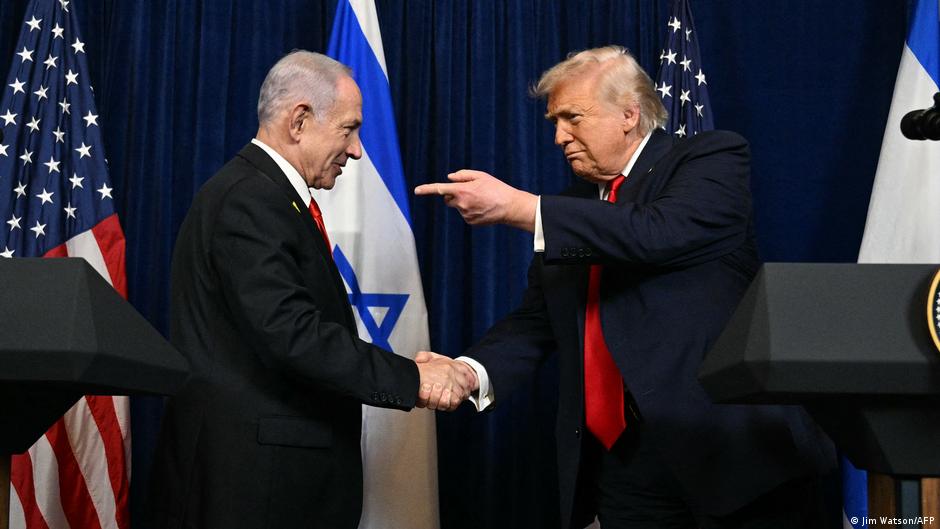
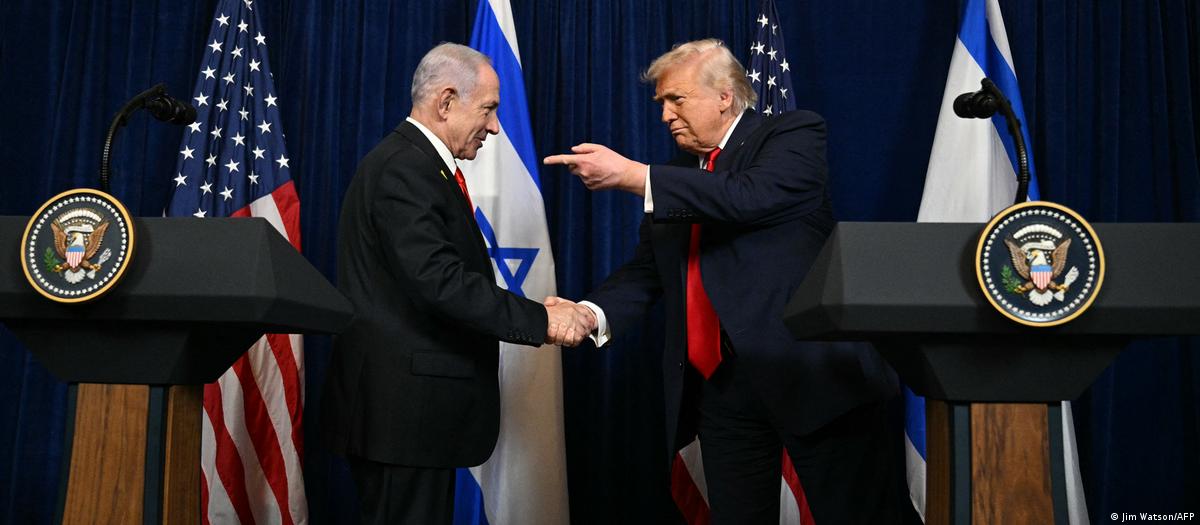
Amnesty International has released its 2025/2026 report, painting a bleak picture of a global human rights landscape where violations are rising and frequently go unpunished. The organisation characterises the year 2025 as being marked by powerful figures acting like predators, specifically citing political leaders such as Donald Trump, Vladimir Putin, and Benjamin Netanyahu. According to the report, these leaders carried out their ambitions for economic and political domination through destruction, suppression, and violence on a massive scale.
The watchdog places particular emphasis on the war in Iran, which Amnesty secretary general Julia Duchrow describes as the most pressing issue. The report notes that people in Iran face a double threat: first, from attacks by the US and Israel in violation of international law, and second, from repression by their own government. Amnesty argues that the unlawful attacks have not improved the situation and fear even more intense retaliation against the civilian population.

In response to these accusations, Israeli Ambassador to Germany, Ron Prosor, characterised the ideology of Iran's leadership as deadly, citing policies aimed at annihilating the state of Israel. He pointed to the actions of Hamas and Hezbollah as evidence of this ideology. Meanwhile, the report criticises the abandonment of the rules-based international order by major powers, including the US, Russia, and Israel, noting that a world order built over the past 80 years is increasingly under threat.
A significant portion of the report addresses the US administration under President Trump, specifically highlighting Secretary of State Marco Rubio's January 2026 vision for a new Western alliance of Christian civilizations. Amnesty states that this proposal ignores historical facts regarding domination, colonialism, slavery, and genocide. The organisation argues that words cannot hide these facts and that such an approach fails to account for the complex history of the regions involved.
Despite the grim outlook, Amnesty acknowledges that reports of the death of the international rule-based order are greatly exaggerated. The organisation praises the masterful work of diplomats and activists who have strived for a more peaceful world since 1945, citing the 1948 adoptions of the Universal Declaration of Human Rights and the Genocide Convention as foundational instruments that remain valid. The report suggests that those lamenting the end of this order are often only interested in its demise.



The review also notes some positive developments amidst the turmoil. In early 2026, some European states distanced themselves from US and Israeli attacks on Iran, refusing to join the conflict and committing to protect strategic security. Additionally, the report highlights the release of Belarusian activist Maria Kolesnikova after five years in detention and the election of Viktor Orban out of office in Hungary as signs of resilience.
Amnesty International concludes that while the trend of unpunished violations is likely to continue, the efforts of those upholding global norms since the end of the Second World War remain crucial. The organisation warns that reliance on fossil fuels enables authoritarian coercion, urging a transition to renewable energy to prevent geopolitical exploitation.